マテリアルサイエンス& 分析

工業用顕微鏡は、金属合金、半導体、ガラス、セラミック、プラスチックなどの材料の分析に使用されます。ライカマイクロシステムズは、品質管理、故障解析、R&D をサポートする高度な顕微鏡ソリューションを提供し、より深い洞察の実現をサポートします。

サポートについてはこちら

マテリアルサイエンス& 分析のための当社の顕微鏡ソリューションについて、詳細情報をご希望の場合は、当社までお気軽にお問い合わせください。

不純物や内部構造の分析方法は?

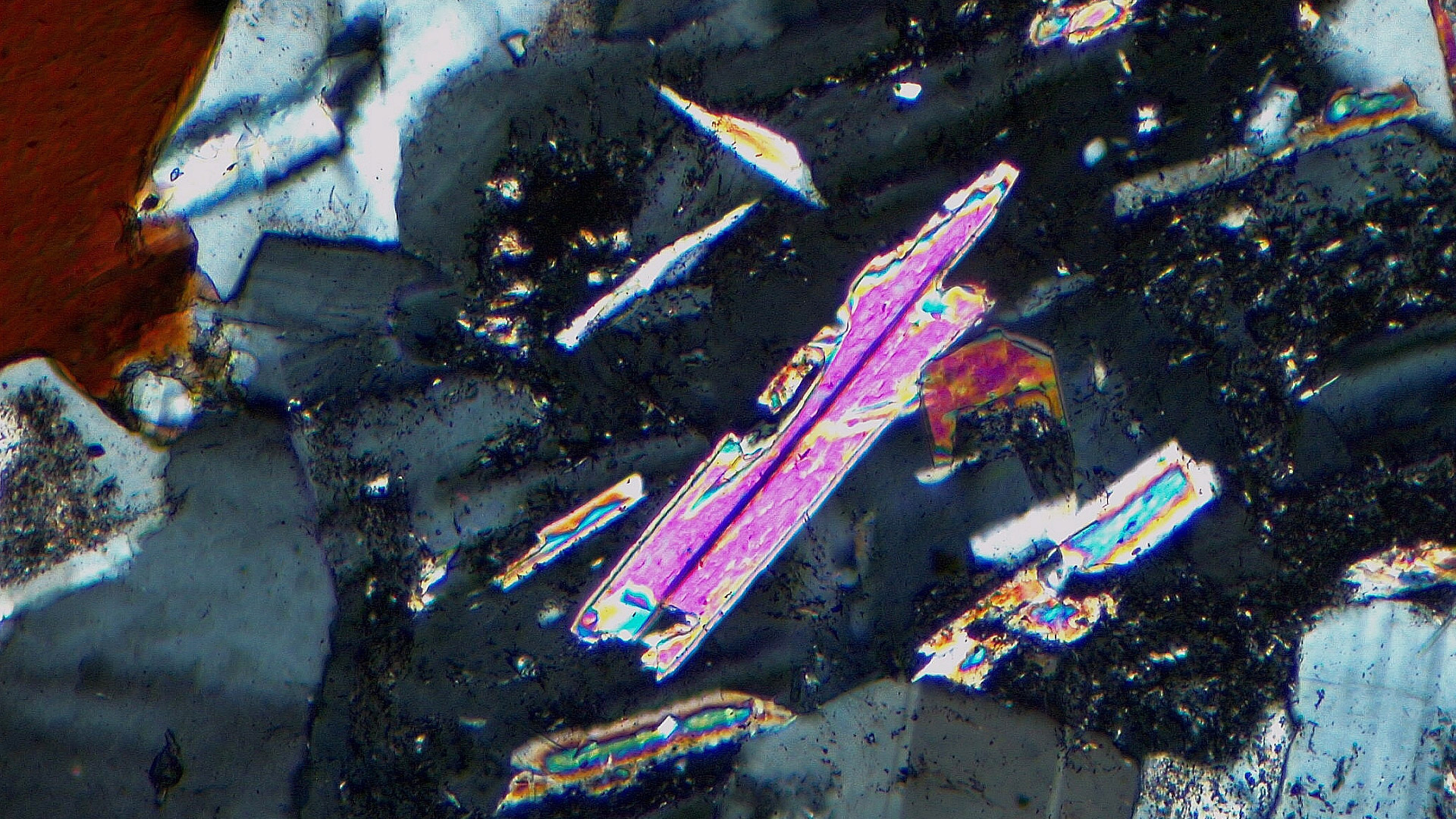
偏光と微分干渉コントラスト(DIC)を備えた顕微鏡を使用することで、標準的な明視野照明では見えないマイクロクラックや介在物のような材料内部の構造を可視化することができます。偏光は異方性物質を強調し、DICは染色することなく透明な試料のコントラストを強調します。DM4 PとDM6 Mの顕微鏡は偏光とDICが可能です。

顕微鏡用の試料はどのようにして調整準備しますか?

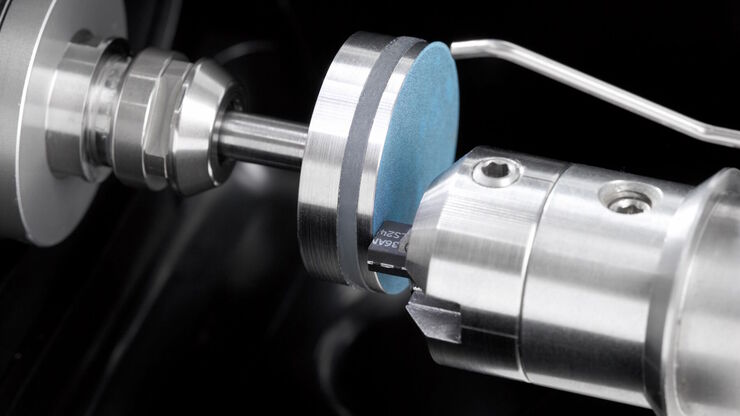
硬質材料の精密な切断、研削、研磨により、ミクロンレベルの精度で特定のサンプル領域をターゲットにすることができます。EM TXPターゲット断面試料作製システムを使用すれば可能です。

EM TIC 3Xは、トリプルイオンビームミリングを採用し、硬質、軟質、脆性、不均質、感熱性など、さまざまなタイプの試料を高品質で表面加工します。

マテリアルサイエンス用顕微鏡の用途は?

マテリアルサイエンス用顕微鏡は、品質管理(QC)、研究開発(R&D)、清浄度・コンタミ解析、故障解析(FA)など、さまざまな用途に使用されます。自動車、航空宇宙、合金、半導体、電子機器、医療機器、地球科学、科学捜査、化学工学、薬学など、さまざまな産業や分野で重要な役割を担っています。

2-Methods-in-1ソリューションが選ばれる理由とは?

2つの手法を1台に統合したソリューションで、光学顕微鏡として使用できるだけでなく、レーザー誘起ブレークダウン分光法(LIBS)による分析も可能です。試料を画像化し、相や介在物のような微細構造を含む化学組成を分析することができます。このソリューションは効率的な材料分析を実現するのに役立ちます。

ライカの顕微鏡がマテリアルサイエンス& 分析に使用される理由とは?
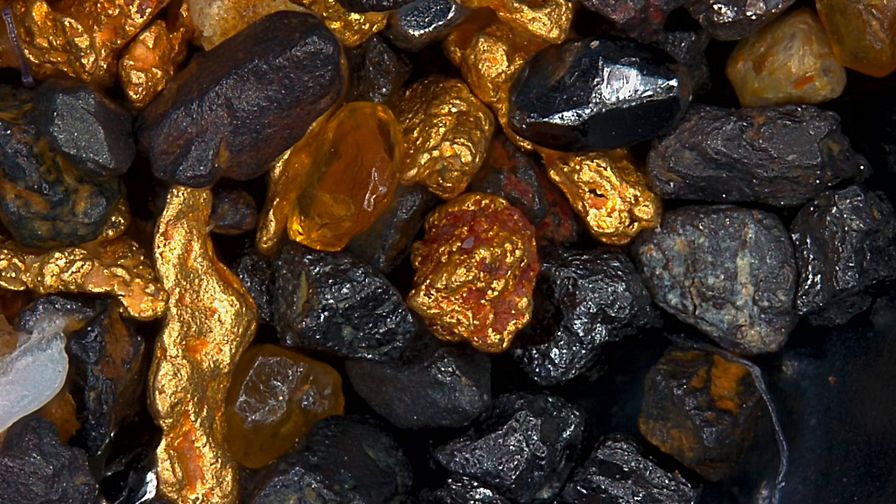
ディテールを見逃さない

ライカの顕微鏡、イメージングシステム、ソフトウェア、人間工学に基づいたアクセサリーは、地質学や、文化財保存修復、考古学などの複数の専門家に信頼されています。ライカソリューションにより、精度の高い試料作製、詳細な観察、文書化が可能になります。

結果を迅速に得られる

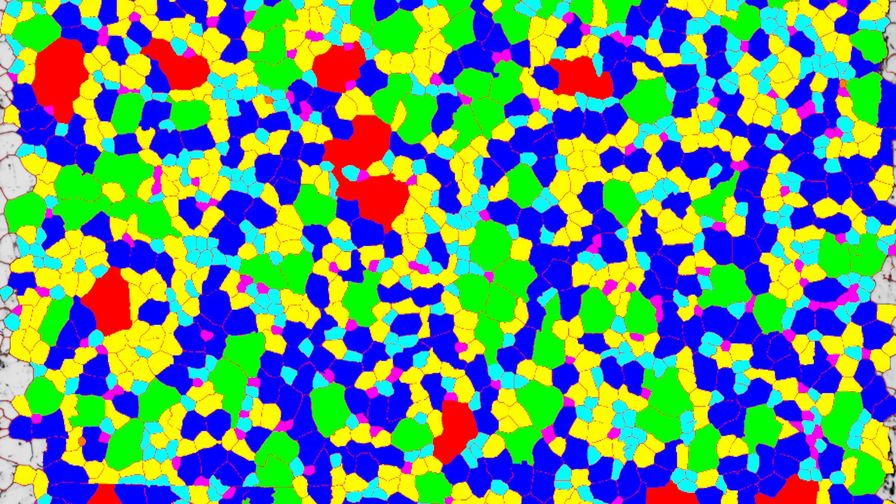
Leica Application Suite X for Industry は豊富な解析用のモジュールを利用でき、各種マテリアルサイエンスの分析をより迅速に、洞察を得ることができます。モジュールには、LAS X Grain Expert、Phase Expert、Metallography Toolbox、2D Measurement などがあります。

高い精度

人間工学に基づいたモジュラー式の顕微鏡ソリューションで、ユーザーの快適性を損なうことなく、正確な測定と詳細な分析で幅広い材料の検査を支援します。

コーティングや膜厚を正確に測定

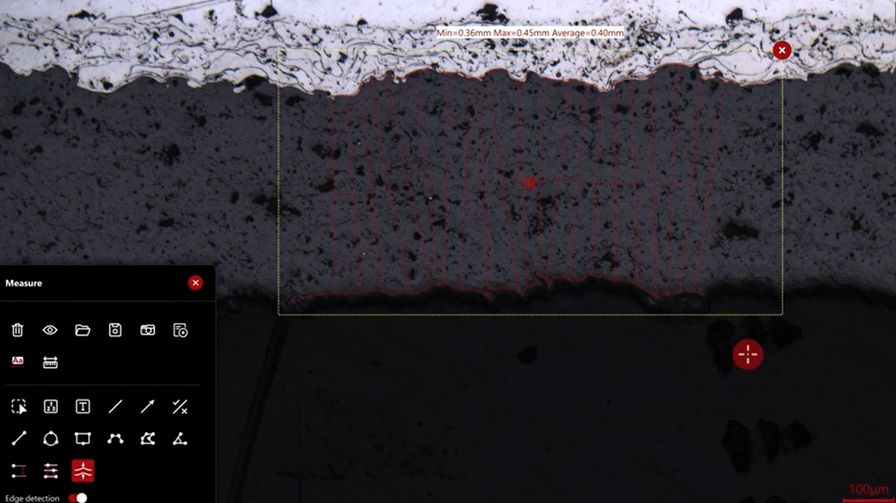
Enersightソフトウェアのレイヤー厚さ測定機能を使用して、材料、多層複合材料、鉱物や堆積物のコーティング、フィルム、または層の厚さを測定します。コントラストや色からレイヤーの境界を検出し、自動的にインターセプトラインを引き、最小、最大、平均レイヤー厚を決定することができます。

マテリアルサイエンスへのソリューション

DM 750 P

Visoria M& P

DM4 M& P

DM6 M LIBS

DMi8 A

対物レボルバ手動コーディングコーディング電動式コーディング
コントラスト法手動コーディング電動式電動式電動式
照明制御なし利用可能利用可能利用可能利用可能
観察方法IL:BF, DF, Pol, (蛍光)
TL:BF、DF、位相差、Pol
IL:BF、DF、Pol、DIC、斜照明(蛍光)
TL:BF、DF、位相差、DIC、Pol
IL:BF、DF、Pol、DIC、(蛍光)
TL:BF、DF、位相差、DIC、Pol
IL:BF、DF、Pol、DIC、(蛍光)
TL:BF、DF、位相差、DIC、Pol
IL:BF、DF、Pol、DIC、(蛍光)
TL:BF、DF、位相差、DIC、Pol
Zドライブ手動手動マニュアル/電動式電動式電動式
回転ステージ手動手動手動手動電動式
対応ソフトウェアLAS X IndustryEnersight / LAS X インダストリー*LAS X IndustryLAS X IndustryLAS X Industry

* LAS X Industry は、Visoria M& P の顕微鏡接続の一部機能を制限しています

関連記事
マテリアルサイエンス& 分析に関する最新記事を読む

ライカ マイクロシステムズの知識ポータルでは、顕微鏡に関する科学的な研究記事および教材を提供しています。日常業務や研究で、ビギナーの方から経験豊富な方まで幅広くサポートします。

その他の記事
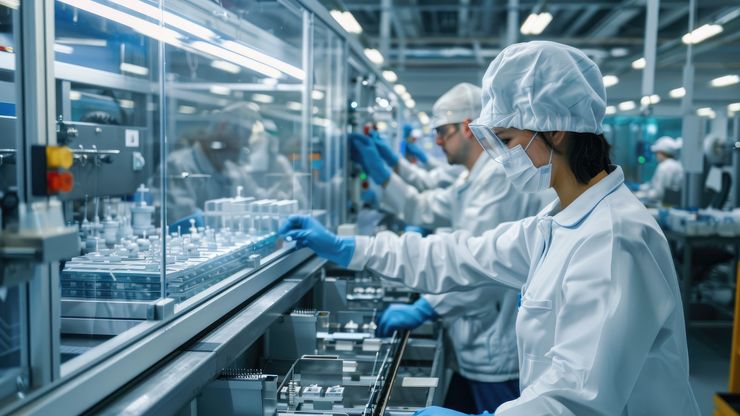
Quality assurance during production in a manufacturing plant.

Quality Assurance Improvement Across Industries

Precision is paramount. Imagine a pacemaker that fails mid-operation or a semiconductor flaw that causes a critical system crash. In industries, such as medical devices, electronics, and…
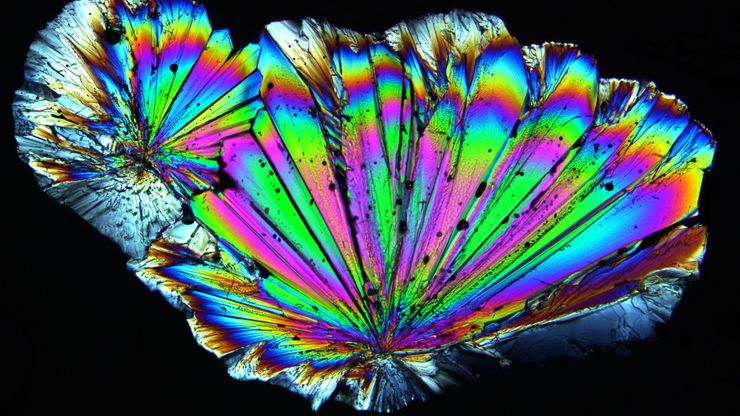
Radially grown sugar crystals which have been imaged with a Leica microscope using circular polarized light.

Polarizing Microscope Image Gallery

How polarization microscope images can be used for analysis is shown in this gallery. Polarized light microscopy (also known as polarizing microscopy) is an important method for different fields and…
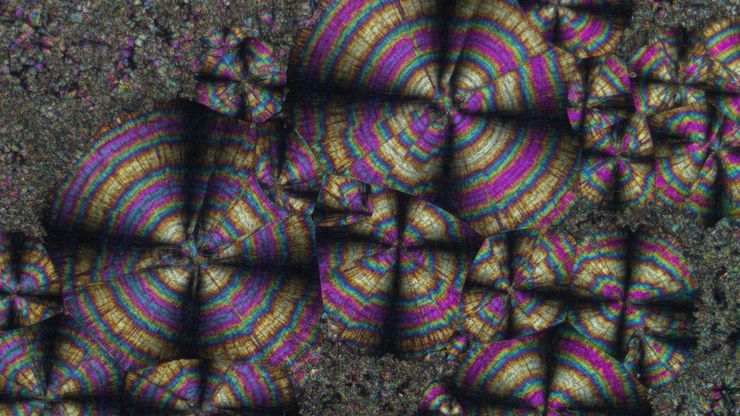
Spherulitic crystals of hippuric acid, a carboxylic acid found in urine, imaged with crossed polarizers showing so-called Maltese crosses. Spherulitic structures are formed by radial crystal growth starting from a central crystal nucleus. Image recorded with a DM4 P microscope using transmitted light, 20x Plan Fluotar objective, and polarizers.

A Guide to Polarized Light Microscopy

Polarized light microscopy (POL) enhances contrast in birefringent materials and is used in geology, biology, and materials science to study minerals, crystals, fibers, and plant cell walls.
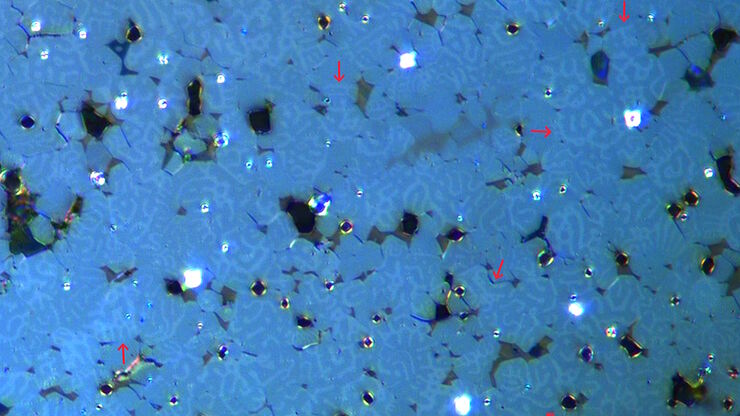
Image of magnetic steel taken with a 100x objective using Kerr microscopy. The magnetic domains in the grains appear in the image with lighter and darker patterns. A few domains are marked with red arrows. Courtesy of Florian Lang-Melzian, Robert Bosch GmbH, Germany.

Rapidly Visualizing Magnetic Domains in Steel with Kerr Microscopy

The rotation of polarized light after interaction with magnetic domains in a material, known as the Kerr effect, enables the investigation of magnetized samples with Kerr microscopy. It allows rapid…
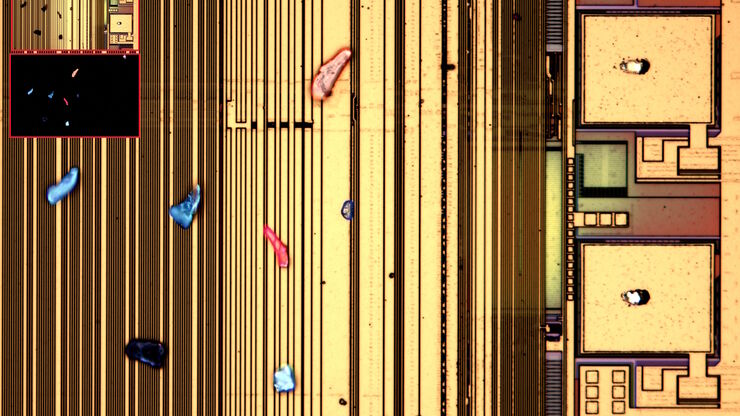
Optical microscope image, which is a composition of both brightfield and fluorescence illumination, showing organic contamination on a wafer surface. The inset images in the upper left corner show the brightfield image (above) and fluorescence image (below with dark background).

Visualizing Photoresist Residue and Organic Contamination on Wafers
As the scale of integrated circuits (ICs) on semiconductors passes below 10 nm, efficient detection of organic contamination, like photoresist residue, and defects during wafer inspection is becoming…

Workflow Solutions for Sample Preparation Methods for Material Science

This brochure presents and explains appropriate workflow solutions for the most frequently required sample preparation methods for material science samples.
Particles observed on the surface of a particle trap which could be used for technical cleanliness during battery production.

Battery Particle Detection During the Production Process

How battery particle detection and analysis is enhanced with optical microscopy and laser spectroscopy for rapid, reliable, and cost-effective QC during battery production is explained in this…
Particulate contamination in between moving metal plates.

Key Factors for Efficient Cleanliness Analysis
An overview of the key factors necessary for technical cleanliness and efficient cleanliness analysis concerning automotive and electronics manufacturing and production is provided in this article.

Quality Control via Cross Sections of PCBs, PCBAs, ICs, and Batteries
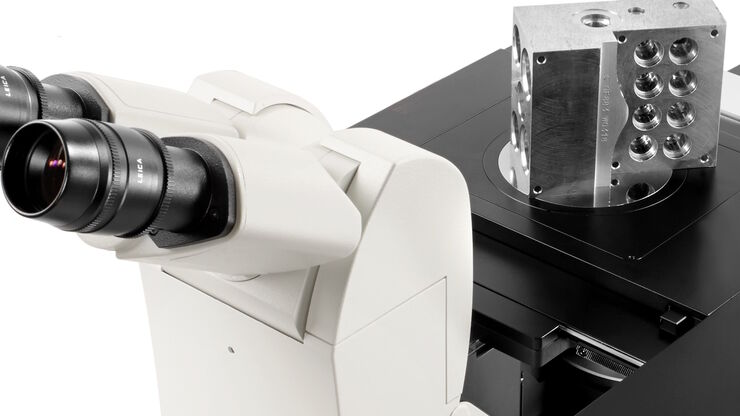
Why cross sections of printed circuit boards (PCBs) and assemblies (PCBAs), integrated circuits (ICs), and battery components are useful for quality control (QC), failure analysis (FA), and research…
Material sample with a large height, size, and weight being observed with an inverted microscope.

Five Inverted-Microscope Advantages for Industrial Applications

With inverted microscopes, you look at samples from below since their optics are placed under the sample, with upright microscopes you look at samples from above. Traditionally, inverted microscopes…
Acrylonitrile butadiene styrene (ABS) stained with osmium tetroxide (OsO4), sectioned with a DIATOME diamond knife at room temperature, and then imaged with HAADF TEM.

Ultramicrotomy Techniques for Materials Sectioning
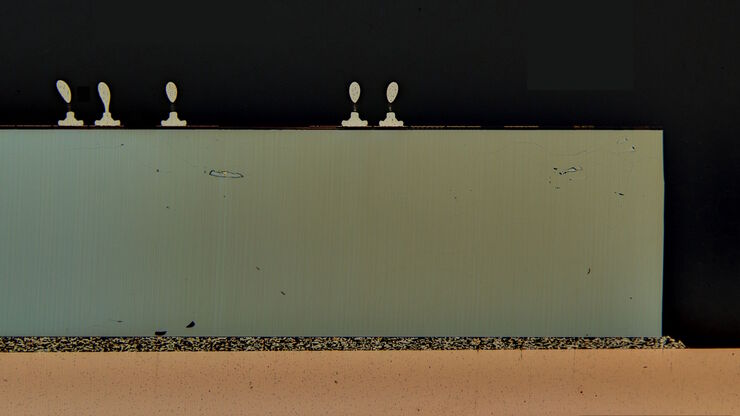
Learn about ultramicrotomy for materials sectioning when investigating polymers and brittle materials with transmission (TEM) or scanning electron microscopy (SEM) or atomic force microscopy.
Image of an integrated-circuit (IC) chip cross section acquired at higher magnification showing a region of interest.

Structural and Chemical Analysis of IC-Chip Cross Sections

This article shows how electronic IC-chip cross sections can be efficiently and reliably prepared and then analyzed, both visually and chemically at the microscale, with the EM TXP and DM6 M LIBS…

How to Prepare and Analyse Battery Samples with Electron Microscopy

This workshop covers the sample preparation process for lithium and novel battery sample analysis, as well as other semiconductor samples requiring high-resolution cross-section imaging.
Electric car or EV car charging in station. Eco-friendly alternative energy concept.

Alternative Fuels and Why Sustainable Solutions are Important

This free on-demand webinar is about the role of alternative fuel vehicles and why sustainable solutions are of increasing importance to the automotive industry.
Electric car - generic 3d rendering

Technical Cleanliness in the Automotive Industry for Electromobility

This free on-demand webinar covers the increasing focus on technical cleanliness in the automotive industry for electromobility and the VDA 19.1 revision.

3 Factors Determine the Damage Potential of Particles

This article discusses the 3 factors for determining the potential of a particle to cause damage to parts and components in the automotive and electronic industry. These factors include the…
The various solutions from Leica Microsystems for cleanliness analysis.

Factors to Consider for a Cleanliness Analysis Solution

Choosing the right cleanliness analysis solution is important for optimal quality control. This article discusses the important factors that should be taken into account to find the solution that best…
Type of contamination: spores

Cleanliness Analysis for Particulate Contamination

Devices, products, and their components fabricated in many industries can be quite sensitive to contamination and, as a result, have stringent requirements for technical cleanliness. Measurement…

マテリアルサイエンス& 分析に関するよくある質問

Show answer 材料科学とは?

材料科学は、金属、セラミックス、ポリマー、複合材料を含む材料の構造、特性、性能、加工を研究する学問です。材料の組成や構造が、さまざまな環境下での挙動にどのような影響を与えるかを理解することに重点を置いています。

Show answer 顕微LIBS元素分析システムとは?

顕微LIBS元素分析システムは、光学とレーザー誘起ブレークダウン分光法(LIBS)を組み合わせ、材料の目視検査と化学組成分析を同時に行います。

Show answer LIBS(レーザー誘起ブレークダウン分光法)とは?

LIBSは元素組成の分析手法の一つです。LIBSの原理は以下です。高エネルギーのレーザーパルスを分析対対象物表面に照射します。レーザーエネルギーは吸収され、アブレーションが起こり、クレーターが形成されます。電子励起状態になった原子やイオンを含むプラズマが発生します。これらの原子が基底状態に戻るときに、元素特有の光の波長を放出します。元素が高温励起により発生する光について固有の周波数を有するため、測定波長範囲と感度のみに依存して元素の測定が可能となります。

Show answer マテリアル分析とは?

マテリアル分析は、材料の物理的および化学的特性を測定するために行われます。例えば、鉄鋼やアルミニウムなどの金属合金、ガラスやシリコンなどのセラミックス、プラスチックやポリマー、鉱物や地質サンプルなどです。材料科学や地球科学、品質管理、生産、故障解析、研究開発などによく使用されます。
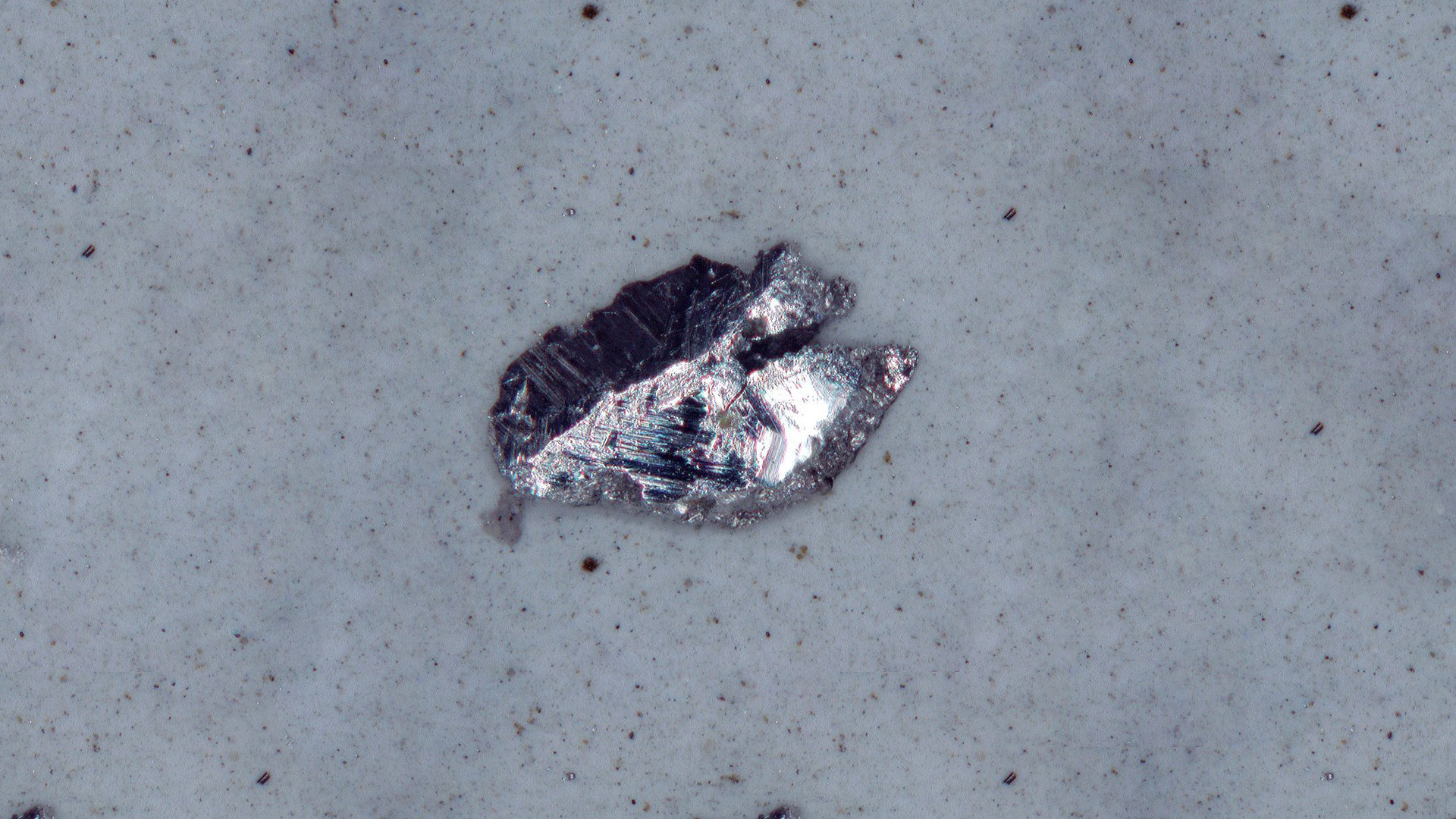
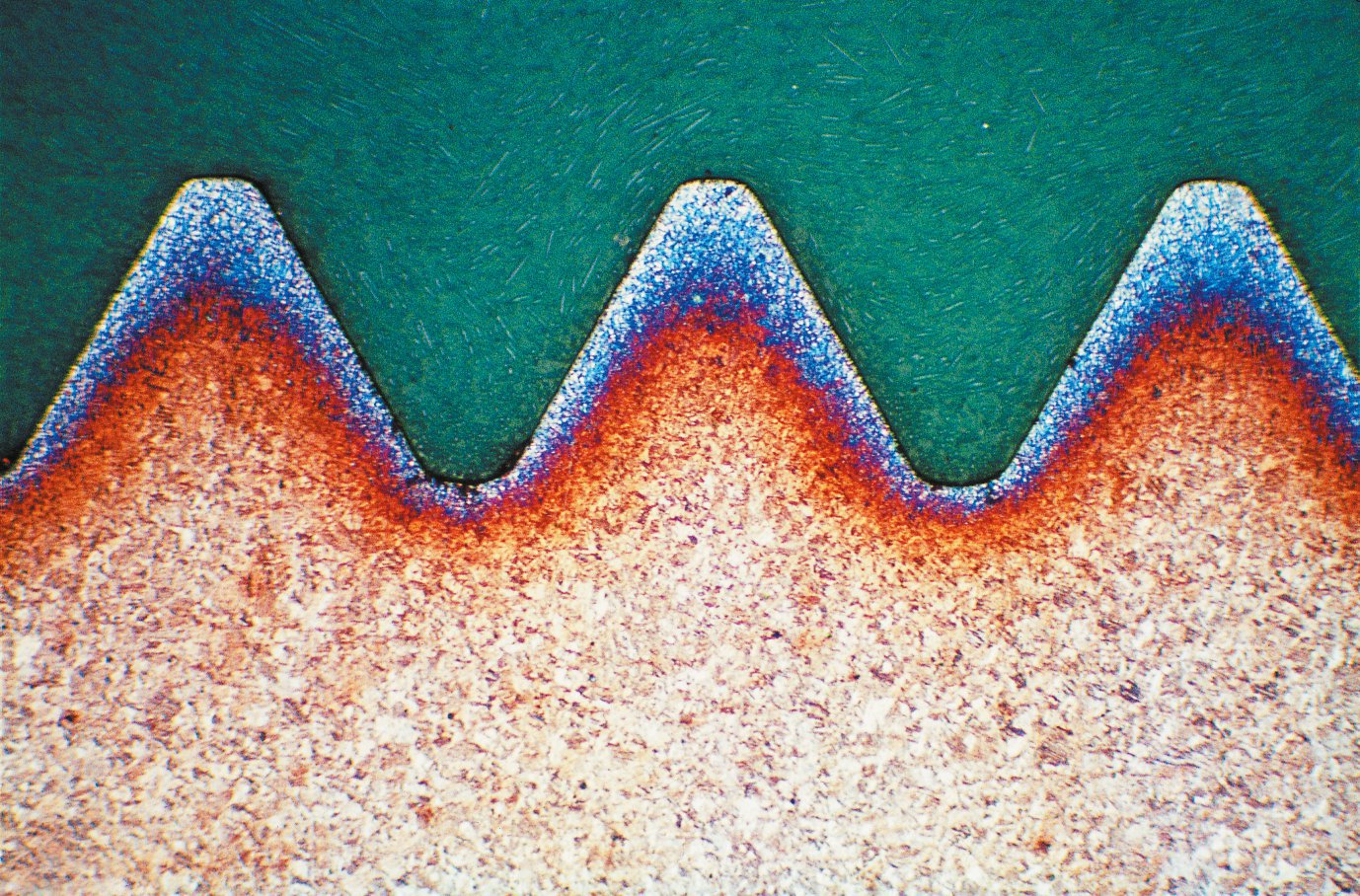
清浄度評価

清浄度評価は、自動車および電子部品の製品品質と性能を保証する上で鍵となります。 マテリアル顕微鏡ソリューションは、清浄度評価と微粒子汚染の特性評価に不可欠です。化学組成情報を入手することで、微粒子を特定し、汚染源をさらに効率的に見つけることができます。

もっと読む

金属組織学と金属工学

鋼中の非金属介在物の検査から粒度および相分析のニーズまで、高度な金属解析システムと統合された顕微鏡は、迅速で信頼性の高い合金の開発を支援します。ルーチンの金属顕微鏡ソリューションは、統計的に有意なデータを効率的に提供することにより、ワークフローと生産プロセスの継続的な最適化を実現し、コスト削減に貢献します。

もっと読む

文化財の保存と修復

ライカの文化財保存修復ソリューションは、デジタルカメラ技術と画像分析ソフトウェアを併用し、修復者、美術史家、考古学者、保存作業場や美術館における専門家のさまざまな作業現場に対応できるように設計されています。

もっと読む

鋼の品質評価

合金鋼試料の非金属介在物は、微細構造の均質性を乱します。鋼中に含まれていると鋼の延性や靭性、疲労特性、耐食性、加工特性といった機械的性質に悪影響を及ぼすことがありますしたがって、介在物の評価は鋼の品質を評価する上で重要です。

もっと読む

Scroll to top