


Background image

Soluciones de microscopía, captura de imágenes y análisis de Leica Microsystems

Damos forma al futuro ayudando a los usuarios de nuestras soluciones ópticas y digitales revolucionarias a crear un mundo mejor y más saludable. Llevamos más de 175 años utilizando nuestra tecnología líder en el mercado para revelar lo invisible en los ámbitos de la investigación en ciencias de la vida, la industria, la medicina, la medicina forense y la educación.

Revelar lo invisible para un mundo mejor y más sano.

Principales áreas de servicio

Especialidades médicas

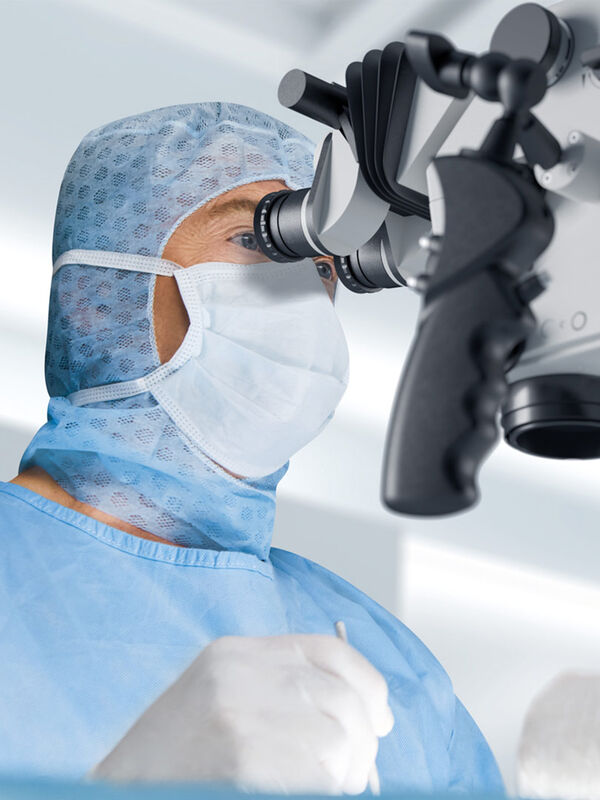
Con un portafolio de productos que cubre disciplinas quirúrgicas tales como oftalmología, neurocirugía, otorrinolaringología (ORL), cirugía plástica reconstructiva y odontología, existe un microscopio quirúrgico de Leica para satisfacer sus necesidades.

Investigación en ciencias biológicas

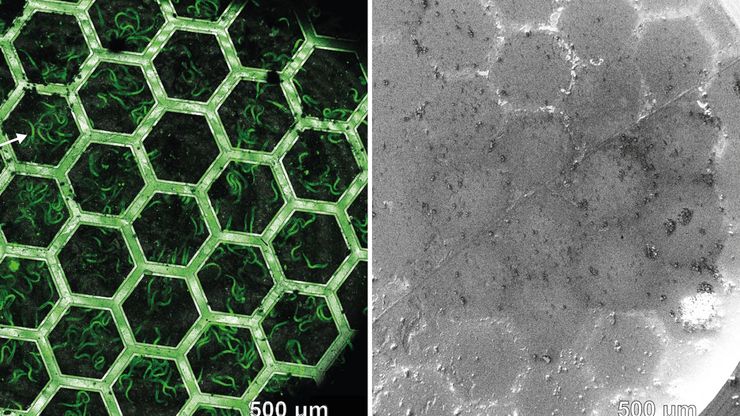
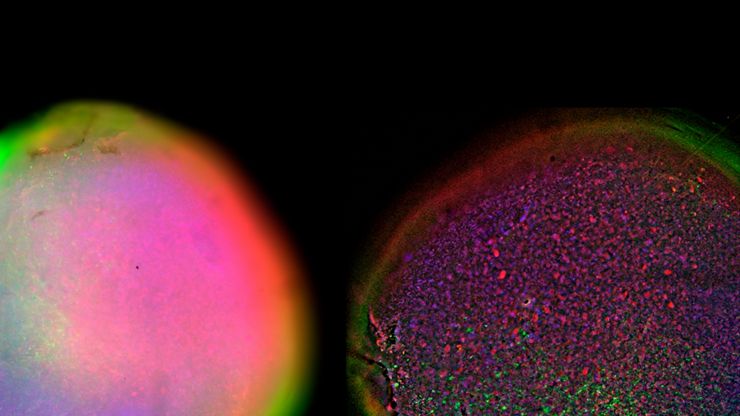
Los microscopios de investigación en ciencias de la vida de Leica Microsystems satisfacen las necesidades de imagen de la comunidad científica gracias a la innovación avanzada y la experiencia técnica para la visualización, medición y análisis de microestructuras.

Microscopía industrial

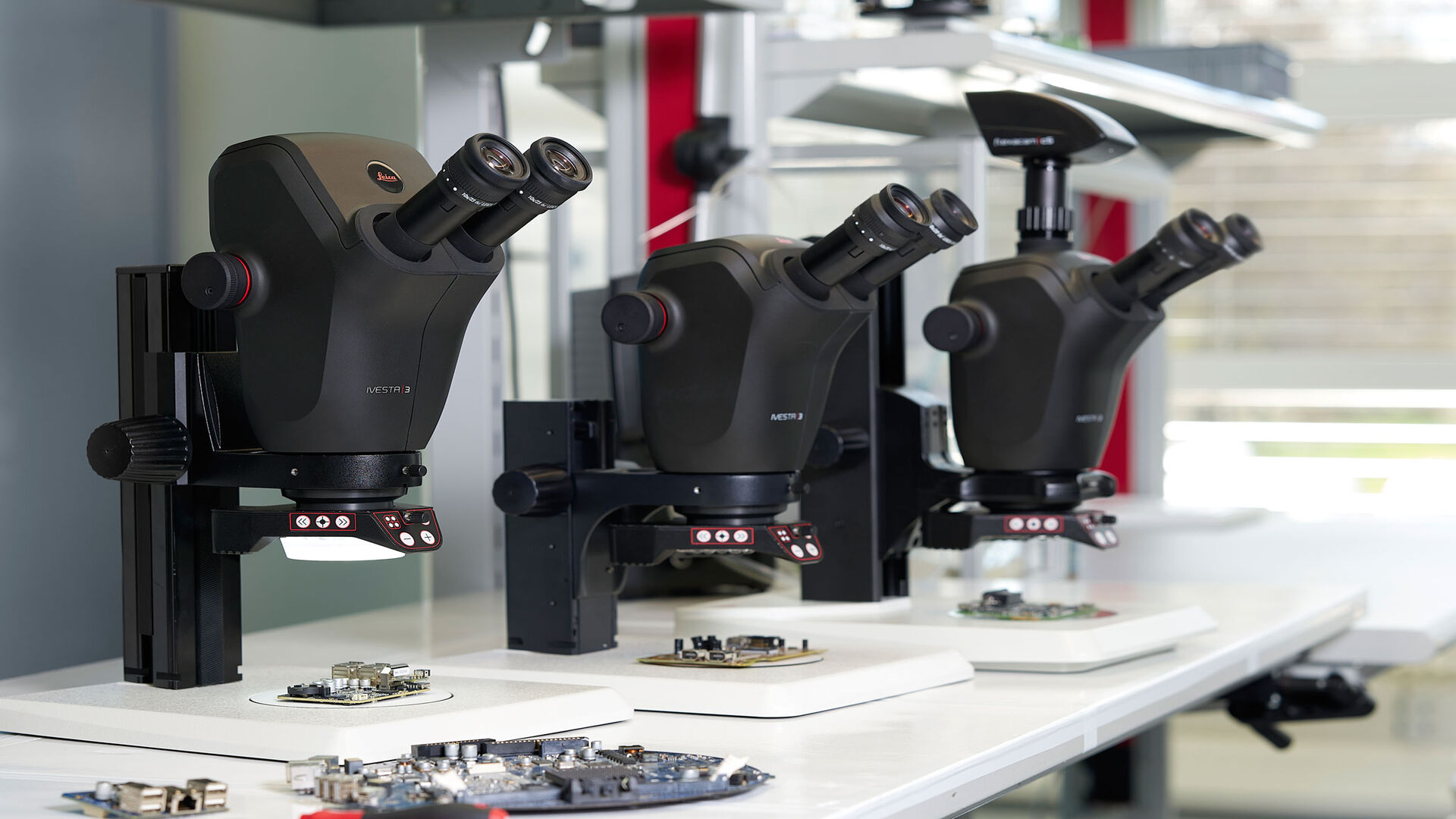
Maximizar el tiempo de actividad y alcanzar los objetivos de forma eficiente ayuda a su cuenta de resultados. Las soluciones de microscopía de Leica le permiten conocer hasta el más mínimo detalle de las muestras, así como analizar, documentar y elaborar informes de resultados de forma rápida y fiable.

Ivesta 3 Greenough Stereo Microscopes

Ivesta 3 Microscopio estereoscópico Greenough

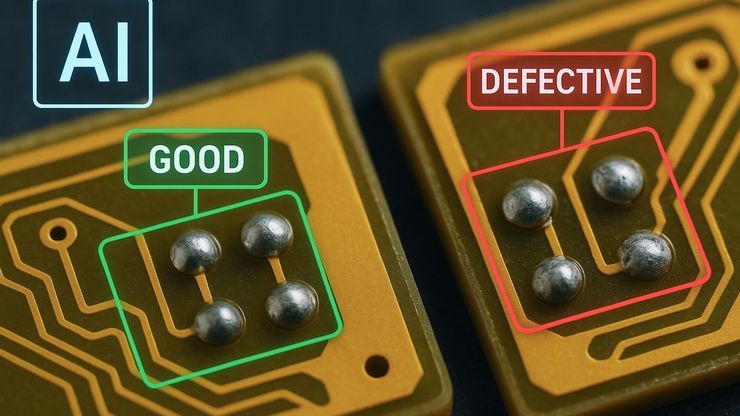
¿Y si pudiera realizar sus inspecciones de forma más eficaz y uniforme?

Para los fabricantes o proveedores, aumentar la eficiencia de la inspección es una prioridad. Con los microscopios estereoscópicos Greenough Ivesta 3 puede optimizar la inspección visual y el reprocesamiento, a la vez que consigue resultados fiables y uniformes.

Leer más

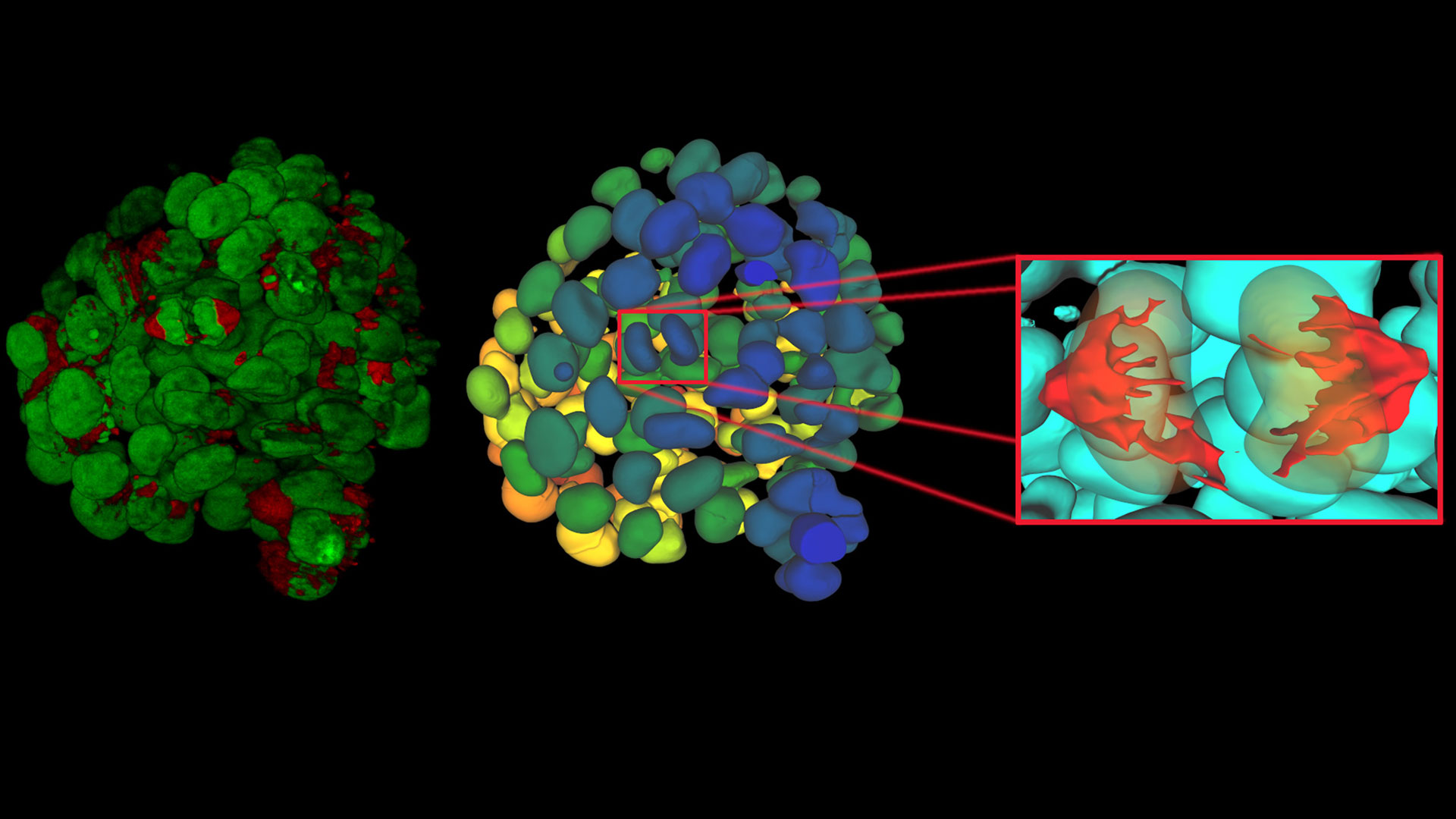
Aivia Software de análisis de imágenes con IA

Acceda al futuro de la microscopía con IA

Leer más

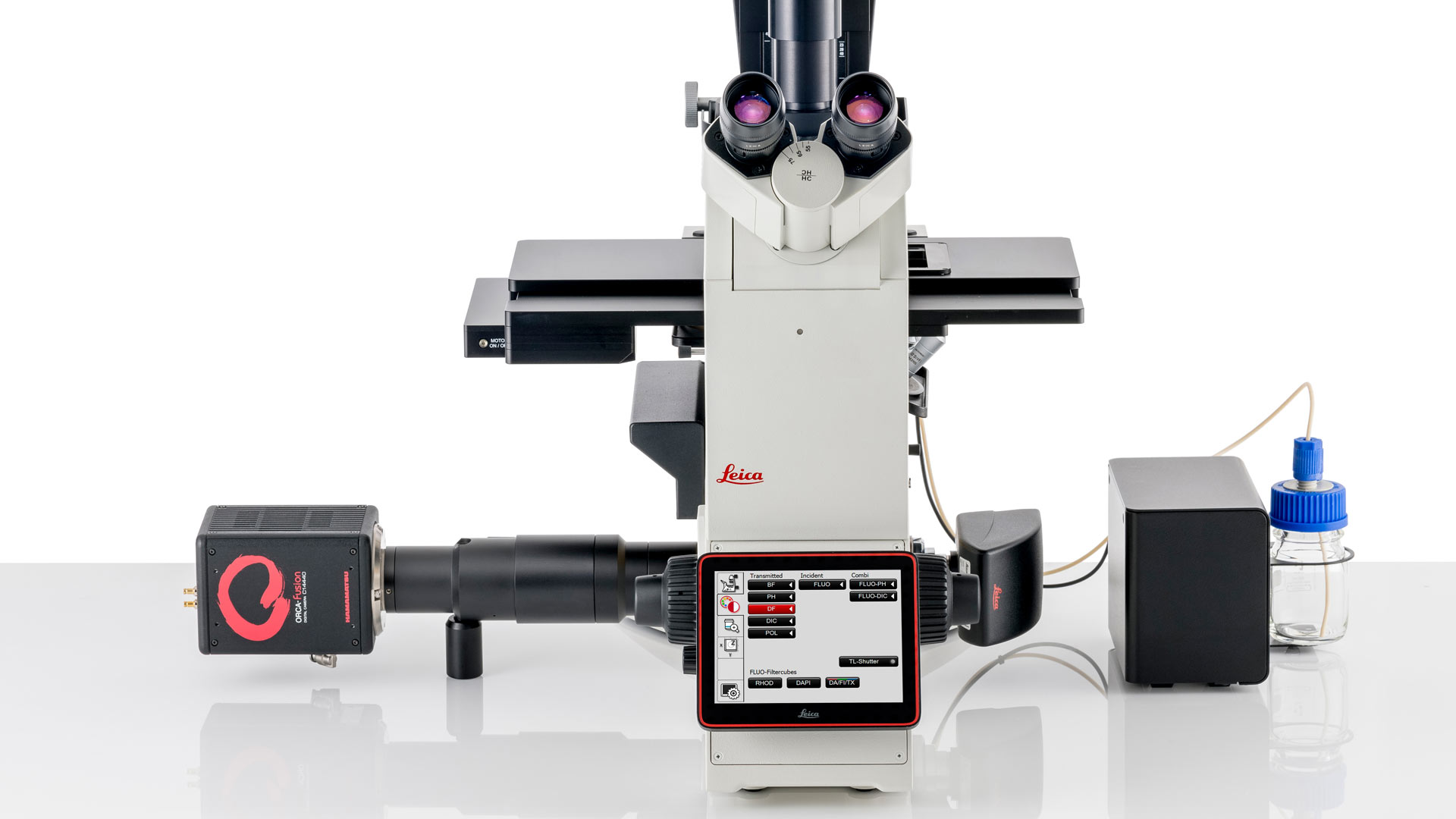
Advanced Imaging – DMi8 Microscopio invertido

Optimice sus flujos de trabajo complejos de microscopía con el microscopio invertido DMi8.

La plataforma le permite generar de forma fiable datos de alta calidad con soluciones que puede adaptar a sus requisitos de investigación y presupuesto.

Leer más

Look beyond - MyVeo Headset

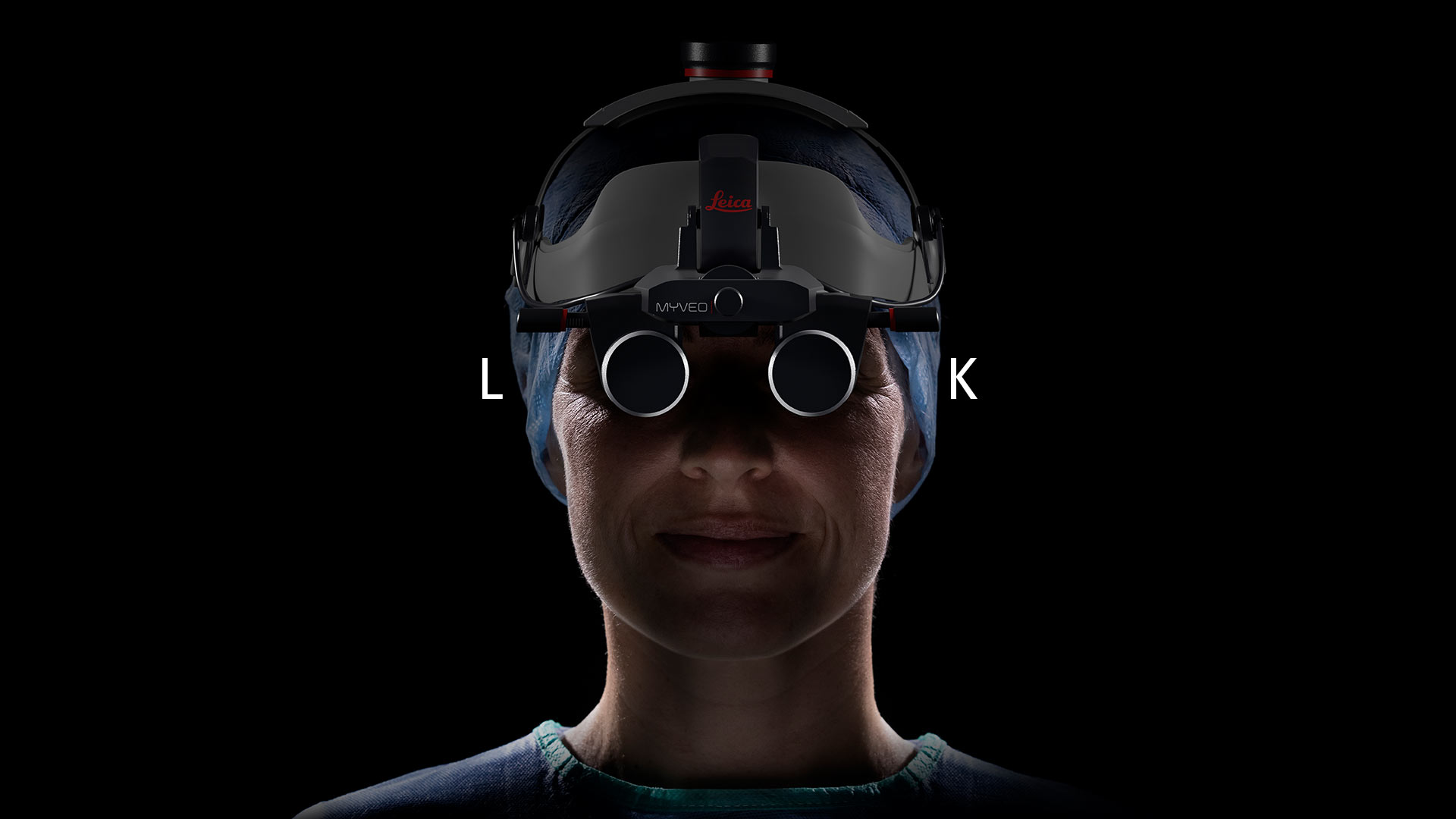
MyVeo Casco de visualización quirúrgica multifunción

Mire más allá de lo que había imaginado

¿Ha imaginado cómo será el futuro de la cirugía? Imagínese de nuevo cómo ve, cómo se mueve y cómo colabora durante la cirugía: MyVeo le lleva más allá de lo que había imaginado.

Leer más

Ivesta 3 Greenough Stereo Microscopes
Look beyond - MyVeo Headset

Nuestros últimos artículos
Nuestros últimos artículos

El portal de conocimiento de Leica Microsystems ofrece investigación científica y material didáctico sobre temas de microscopía. El contenido está diseñado para apoyar a principiantes, profesionales experimentados y científicos por igual en su trabajo diario y experimentos.

OCSS Cataract Surgery Symposium

Expert Techniques for Superior Visualization in Cataract Surgery

Join renowned ophthalmic surgeons, Dr. Hussein Almuhtaseb and Mr. Simon Madge, as they share their clinical expertise and real-world surgical strategies during the 2025 Online Cataract Surgery…
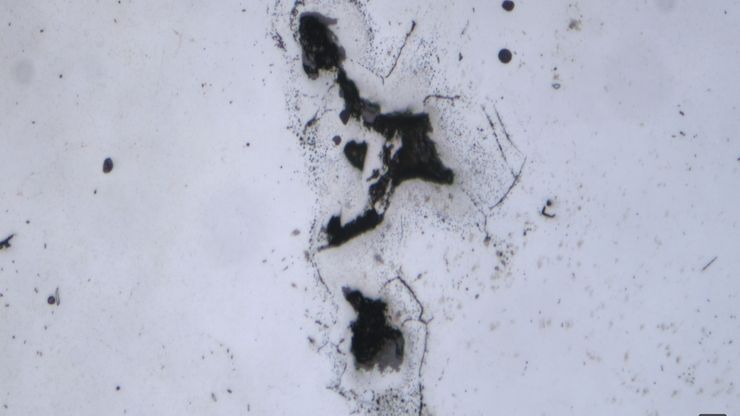
LMD ionizer before & after cut.

Eliminating Electrostatic Interference in Laser Microdissection

Electrostatic charge in laser microdissection (LMD) causes two critical failures: samples stick to charged surfaces and are lost, or samples fly into adjacent wells and cause cross-contamination. We…

History, Developments and Trends of Microscopy in Cancer Research

Cancer is a global disease, with 18 million new cases diagnosed and 10 million cancer-related deaths worldwide in 2020. This burden is set to increase, with a projected increase in cases of ~55% by…
Mouse fibroblasts where F-actin is labelled with FITC (green), tubulin with Cy5 (red), and nuclei with DAPI (blue). Image courtesy of Dr. Günter Giese, Max Planck Institute for Medical Research, Heidelberg, Germany.

Overview of Fluorescent Dyes in terms of Applications and Properties

An introduction to commonly used fluorescent dyes and an overview of their characteristics are given in this article. Fluorescence microscopy is used for the study of specific cellular components with…

Researchers Insights: Microscopy in Cancer Research

Discover how imaging techniques are driving cancer research forward. In this issue, we present comprehensive multimodal studies using microscopy, as well as new directions in intraoperative cancer…
Leica Microsystems Life Science Product

Predictive Service Prevents Downtime in Ghent

At the VIB BioImaging Core in Ghent, Belgium, researchers depend on Leica’s Stellaris 8 confocal microscope to explore the frontiers of biomedical science. When Leica’s RemoteCare system detected a…
Zebrafish heart, DAPI (nuclei, blue), Tropomyosin (cardiomyocytes, red) and GFP (primordial cardiac layer, green). Courtesy of Anna Jazwinska, University of Fribourg, Switzerland.

A Guide to Fluorescence Microscopy

Fluorescence microscopy uses the ability of fluorophores, dyes, or fluorescent proteins to emit light of a specific wavelength after being excited with light of a shorter wavelength. Biomolecules can…
Some 2D measurements, e.g., lengths and areas, made on a PCB sample with a Leica measurement microscope using the Enersight software.

How to Select the Right Measurement Microscope

With a measurement microscope, users can measure the size and dimensions of sample features in both 2D and 3D, something crucial for inspection, QC, failure analysis, and R&D. However, choosing the…
Example of calibrating a microscope at a higher magnification value using a stage micrometer.

Microscope Calibration for Measurements: Why and How You Should Do It

Microscope calibration ensures accurate and consistent measurements for inspection, quality control (QC), failure analysis, and research and development (R&D). Calibration steps are described in this…
Corneal transplantation. Image courtesy of Mr. David Anderson.

Ophthalmology Case Study: Corneal Transplantation

Learn about the use of intraoperative Optical Coherence Tomography in Corneal Transplantation and how it helps achieve correct positioning of donor tissue.
Scroll to top