Advanced Imaging Solutions for Biopharma
Advanced imaging solutions empower biopharma researchers to uncover critical insights in drug discovery, quality control, and understanding complex biological systems. Leica microscopy solutions combine innovation, user-centric design, and reliable data integrity to support breakthroughs and consistent research outcomes.
Our imaging experts are here to help with advice on solutions for the biopharmaceutical industry.

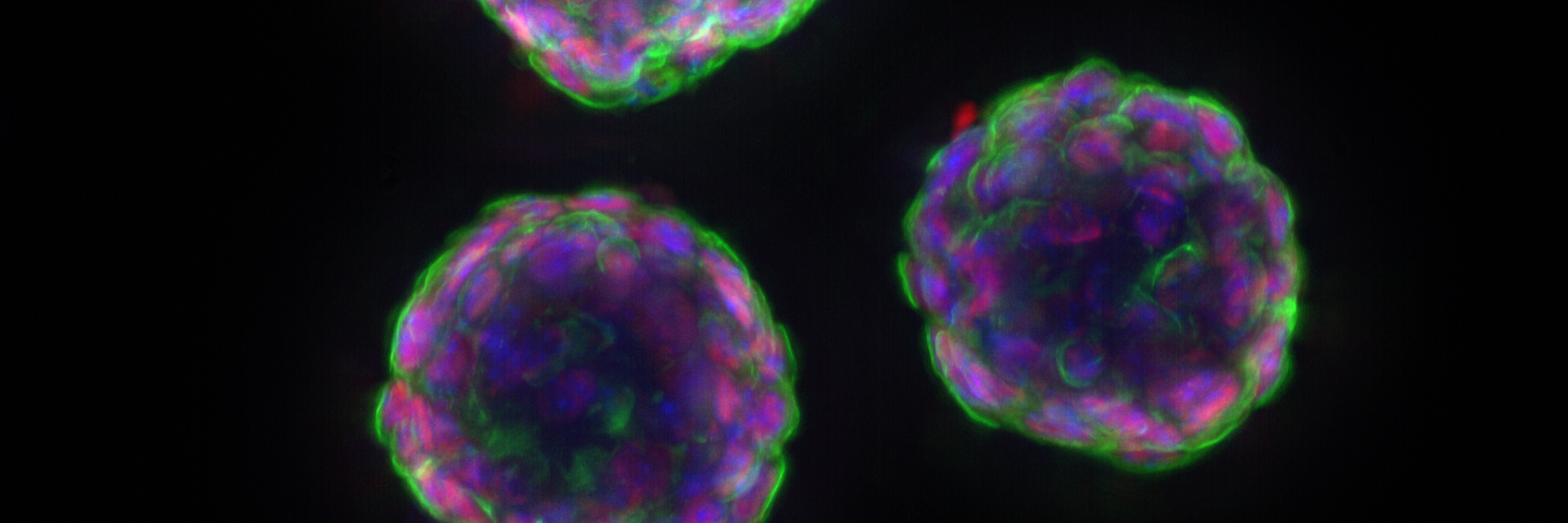
How to effectively image 3D cell cultures?
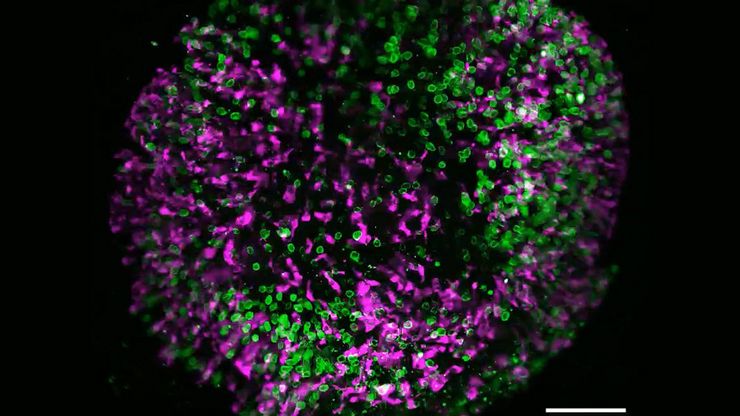
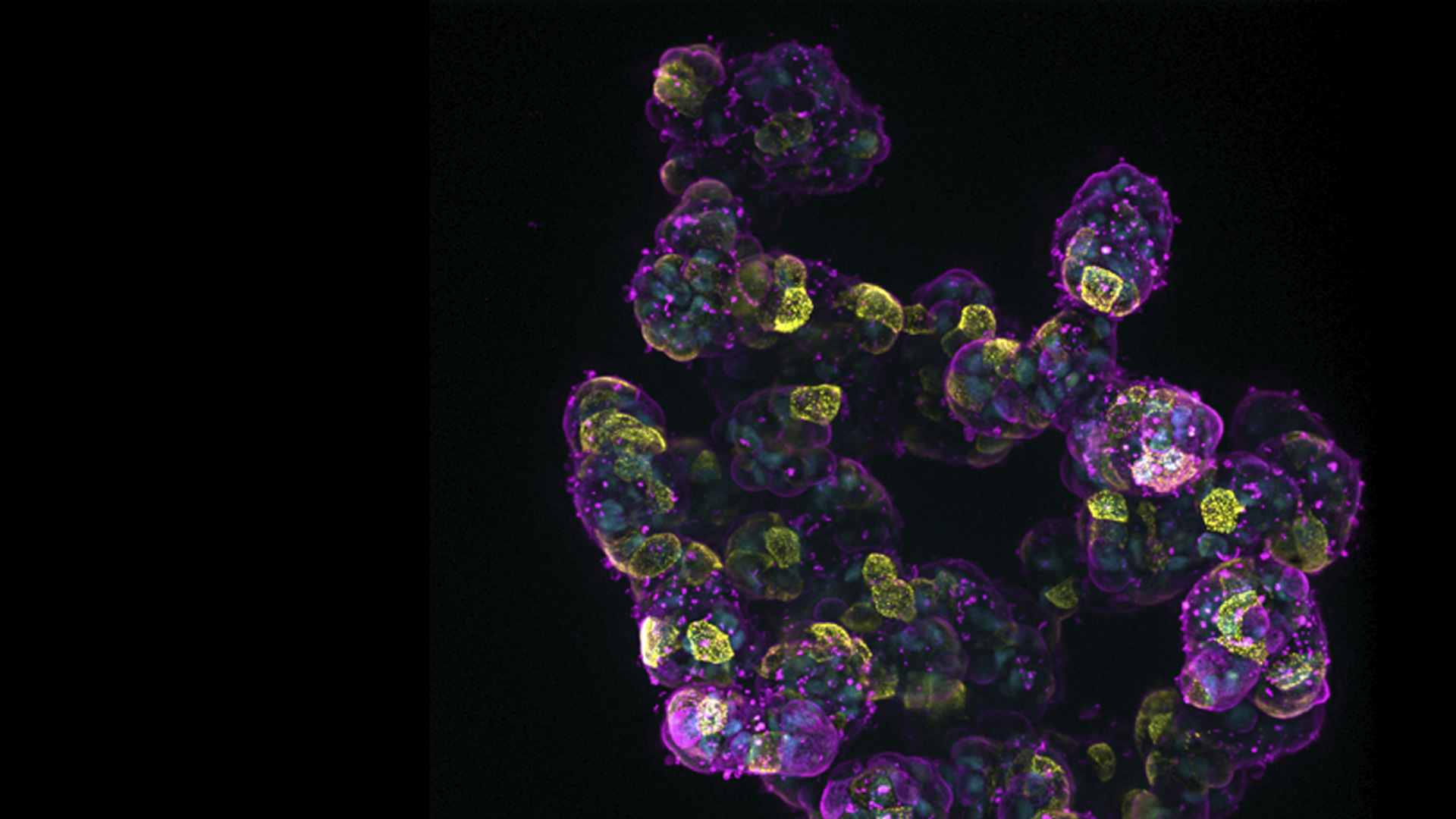
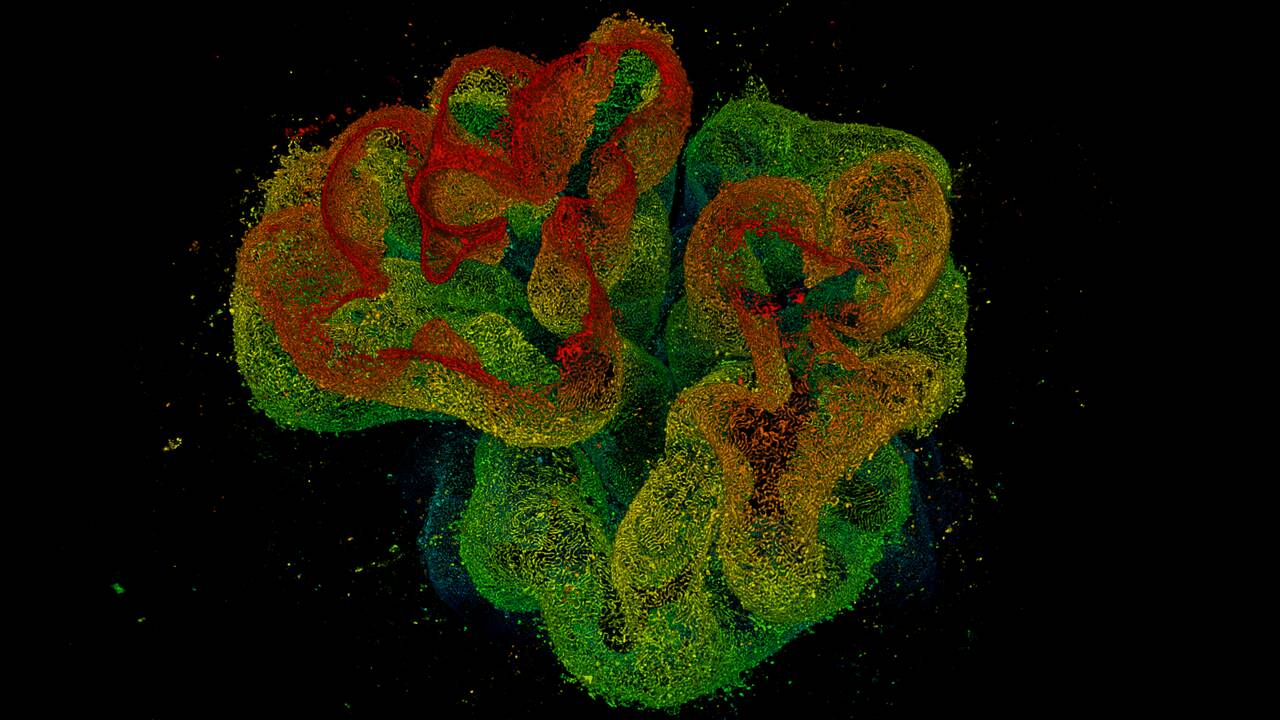
By using advanced Leica imaging solutions that unlock details that were otherwise masked in the image data. An example is out-of-focus blur while imaging deep within cells. Optical sectioning technologies, such as those in the STELLARIS confocal platform or the Viventis Deep Light Sheet imaging system, aid the extraction of insights that reveal fine structures and details, otherwise not visible.

How to accurately quantify cell proliferation/migration?
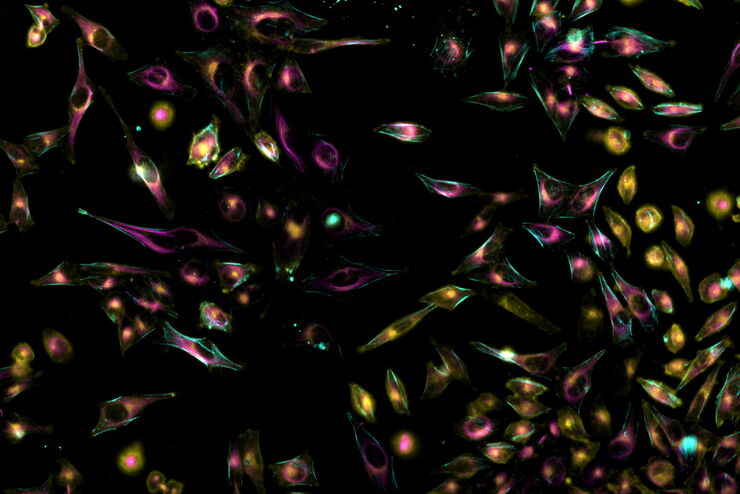
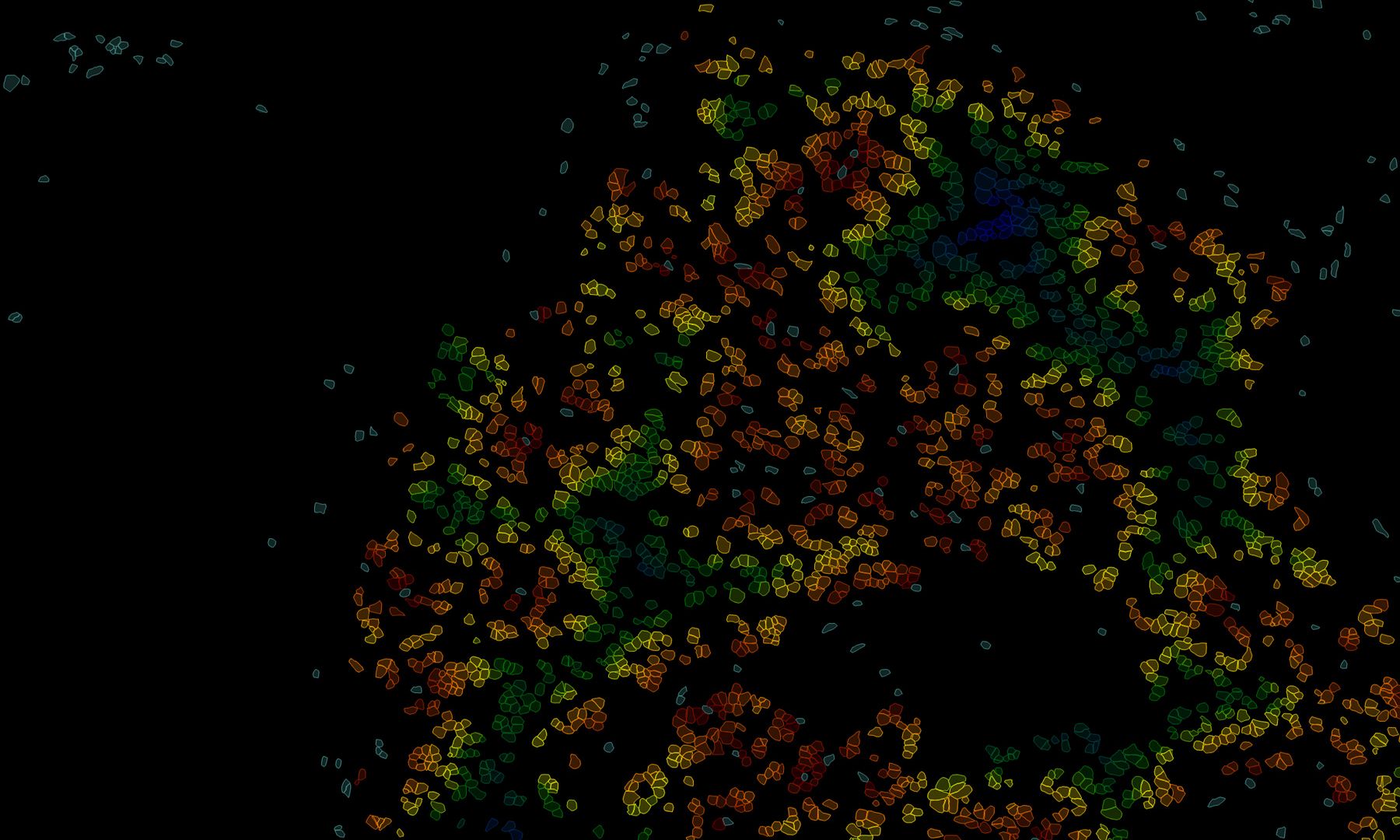
Leica systems enable precise quantification of migration, proliferation, and differentiation in living cells as well as end point studies. With the support of Aivia machine learning algorithms, biopharma scientists can overcome the manual complexities typically associated with this or similar scientific questions.

How can I enter spatial biology?
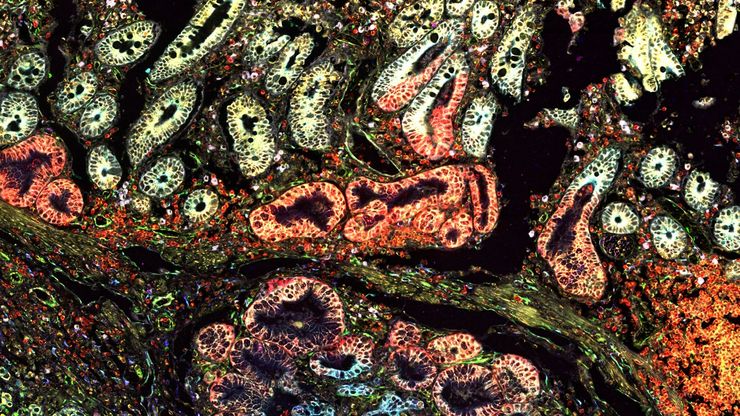
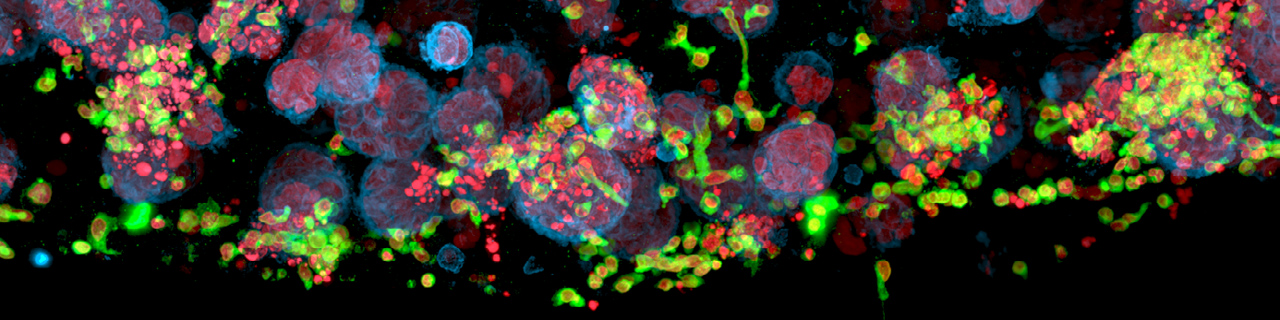
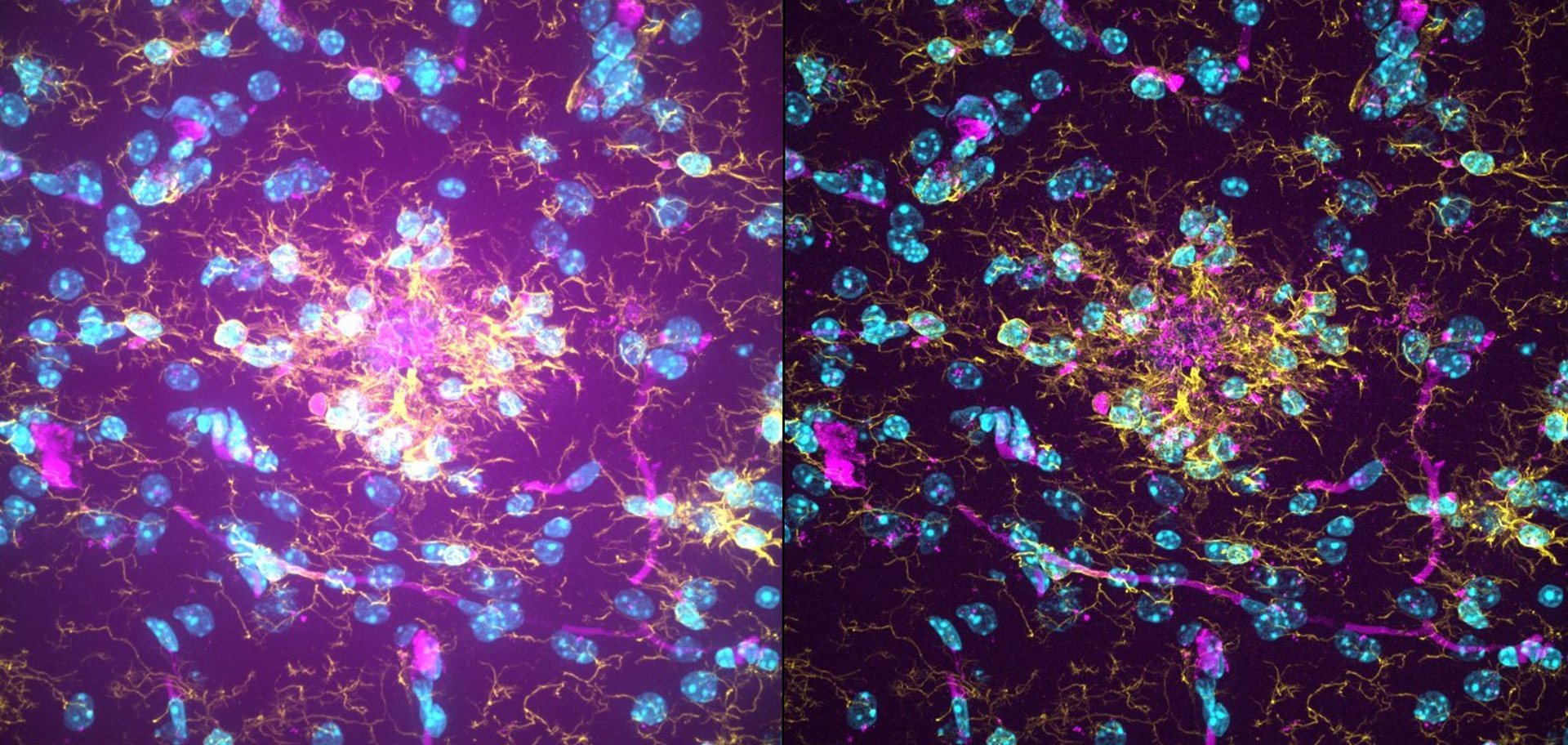
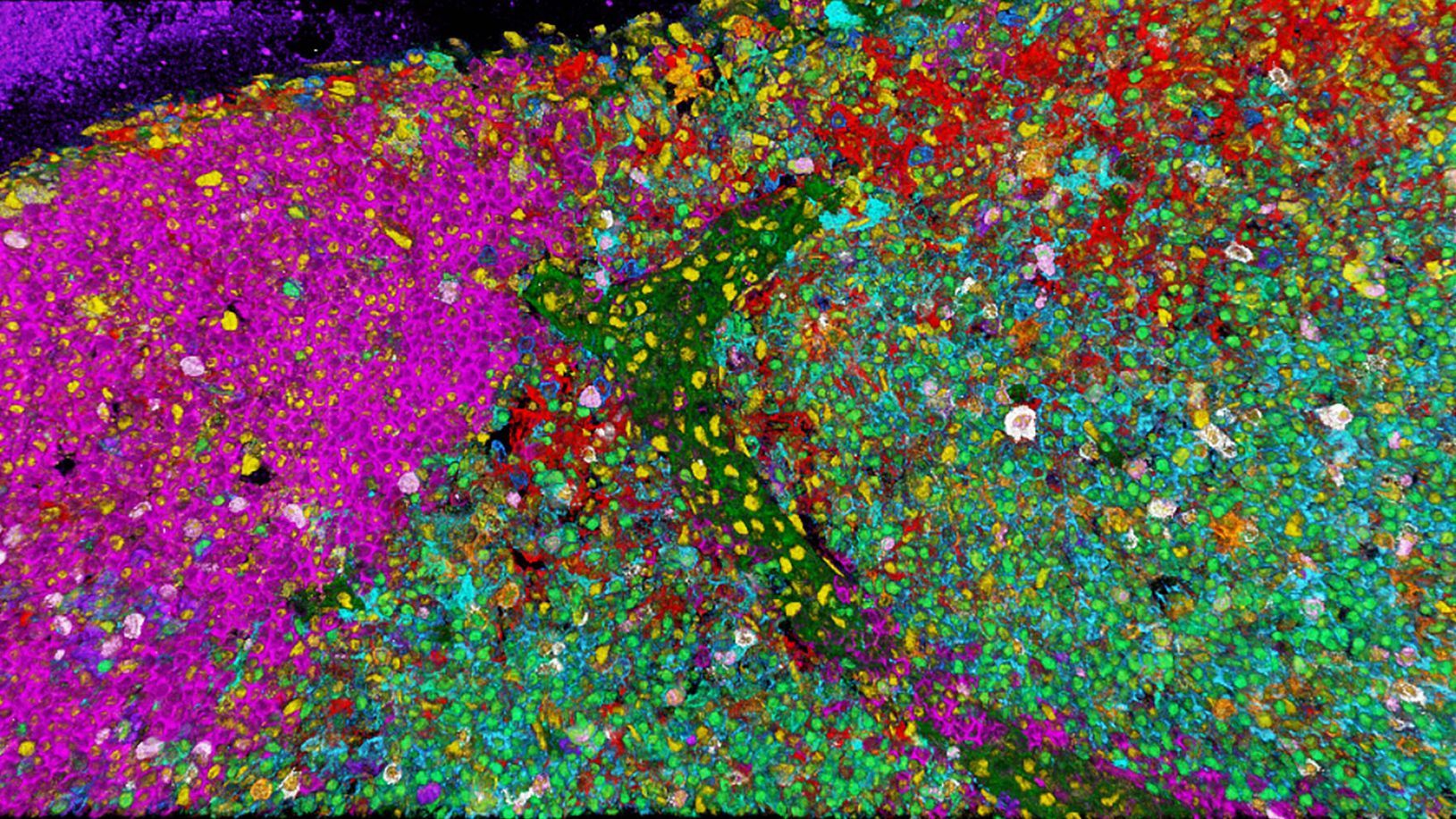
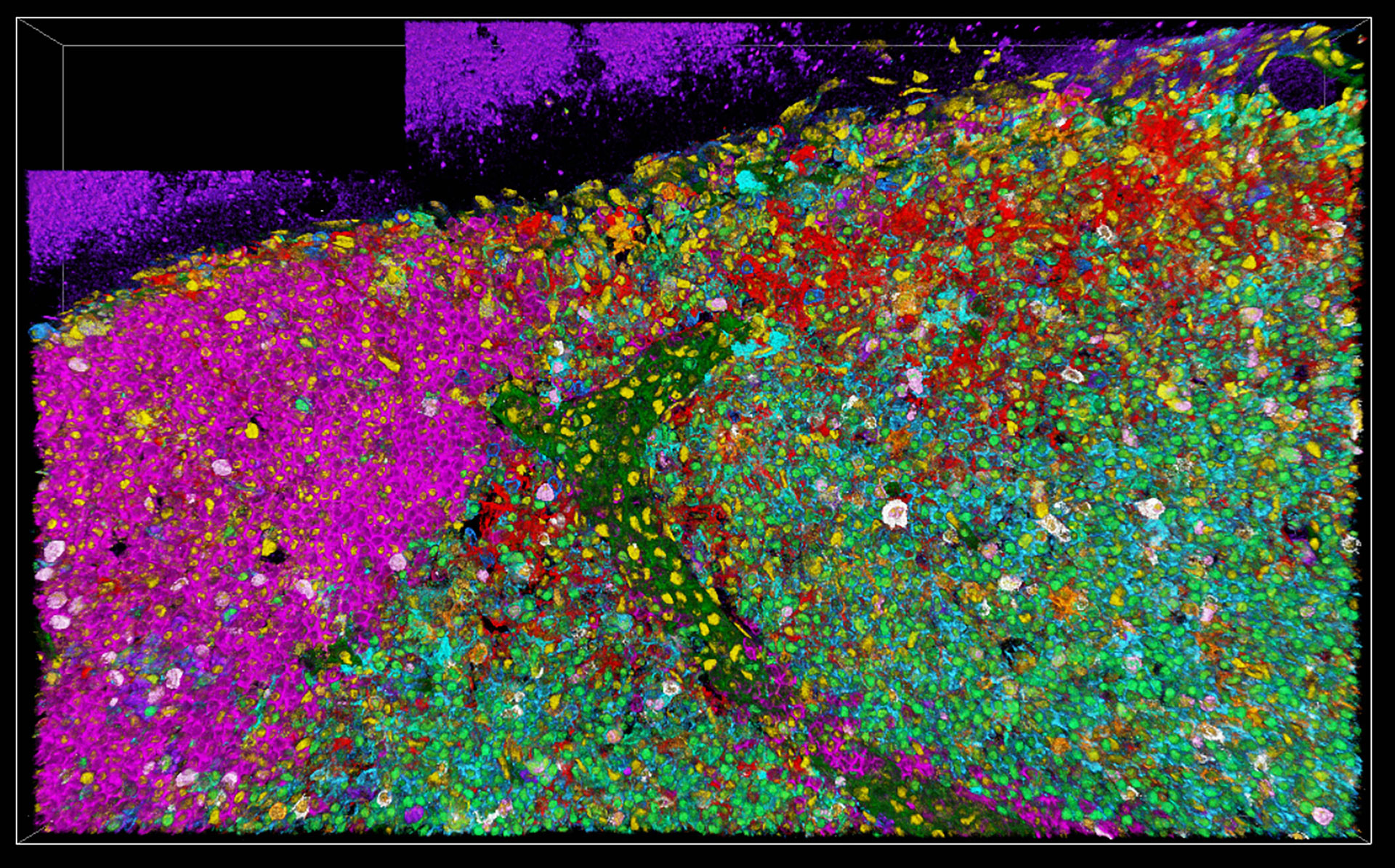
SpectraPlex for STELLARIS grants biopharma researchers access to image complex specimens for spatial biology with 15+ biomarkers in one go, across scales and in 3D. Cell DIVE provides guidelines on antibody usage for iterative multiplexing, with a tested database. Additionally, Aivia enhances spatial biology analysis – integrating it into a standardized, user-friendly protocol.

Can you validate mechanisms with spatial imaging?
Yes, by taking advantage of fluorescence lifetime imaging, super-resolution, multiphoton microscopy, lightsheet and label-free chemical imaging, and 3D high-multiplexing for spatial discoveries in cells and tissues. The STELLARIS confocal platform offers these multimodal capabilities to help validate mechanisms relevant to spatial biology.
What are the advantages for biopharma researchers using Leica advanced microscope solutions?
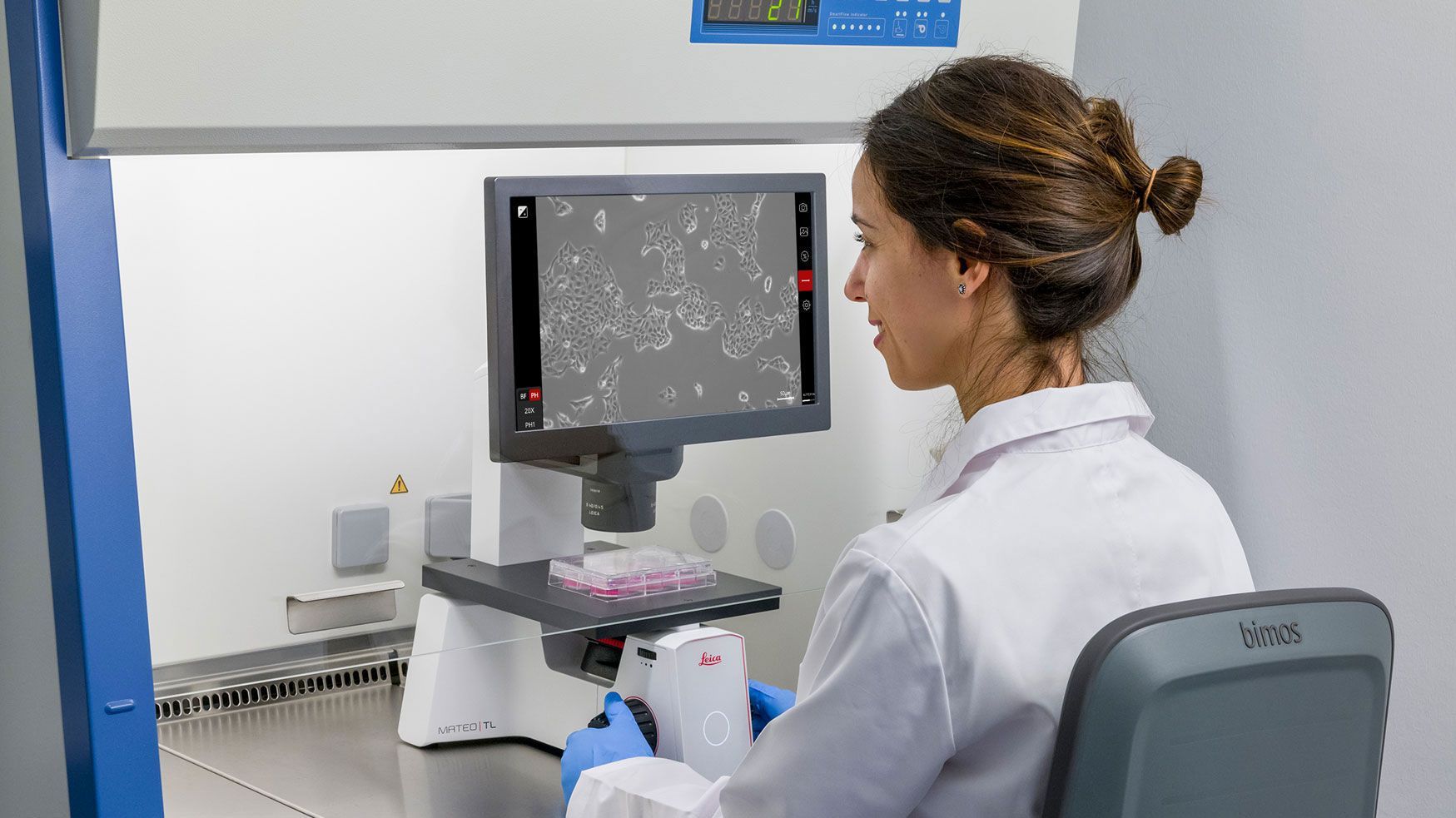
Data you can trust: CFR-compliant fluorescence imaging for quality control
Mateo FL has audit trails and user management functionalities that support FDA 21 CFR Part 11 compliance, making data management easier and more secure for biopharma workflows.
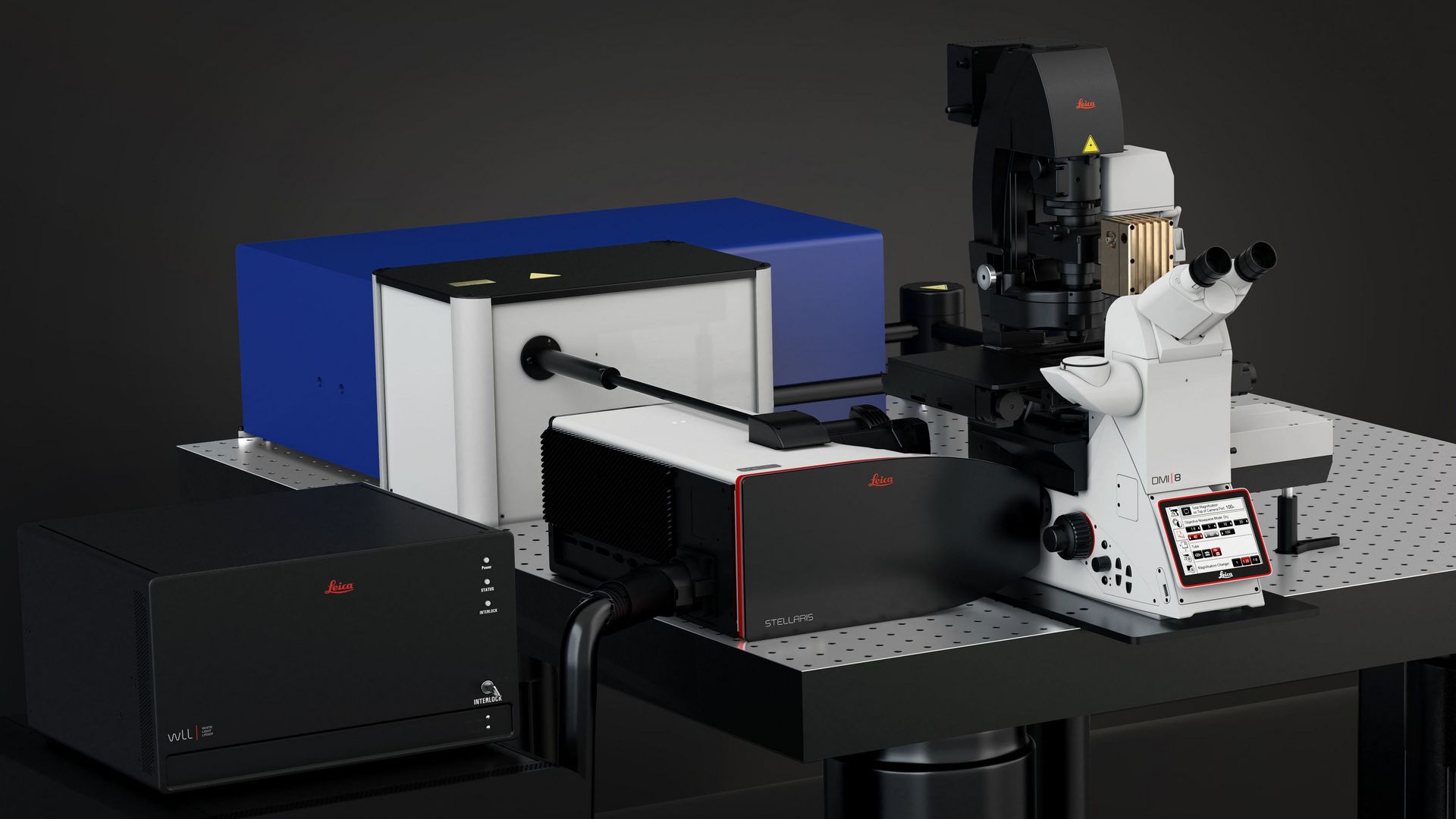
Label-free molecular imaging for precise analysis
STELLARIS CRS offers label-free molecular imaging, enabling biopharma researchers to overcome the challenge of analyzing complex samples without compromising sample integrity. With fast, non-destructive imaging, it helps researchers tackle molecular analysis in drug discovery, formulation, and disease research.
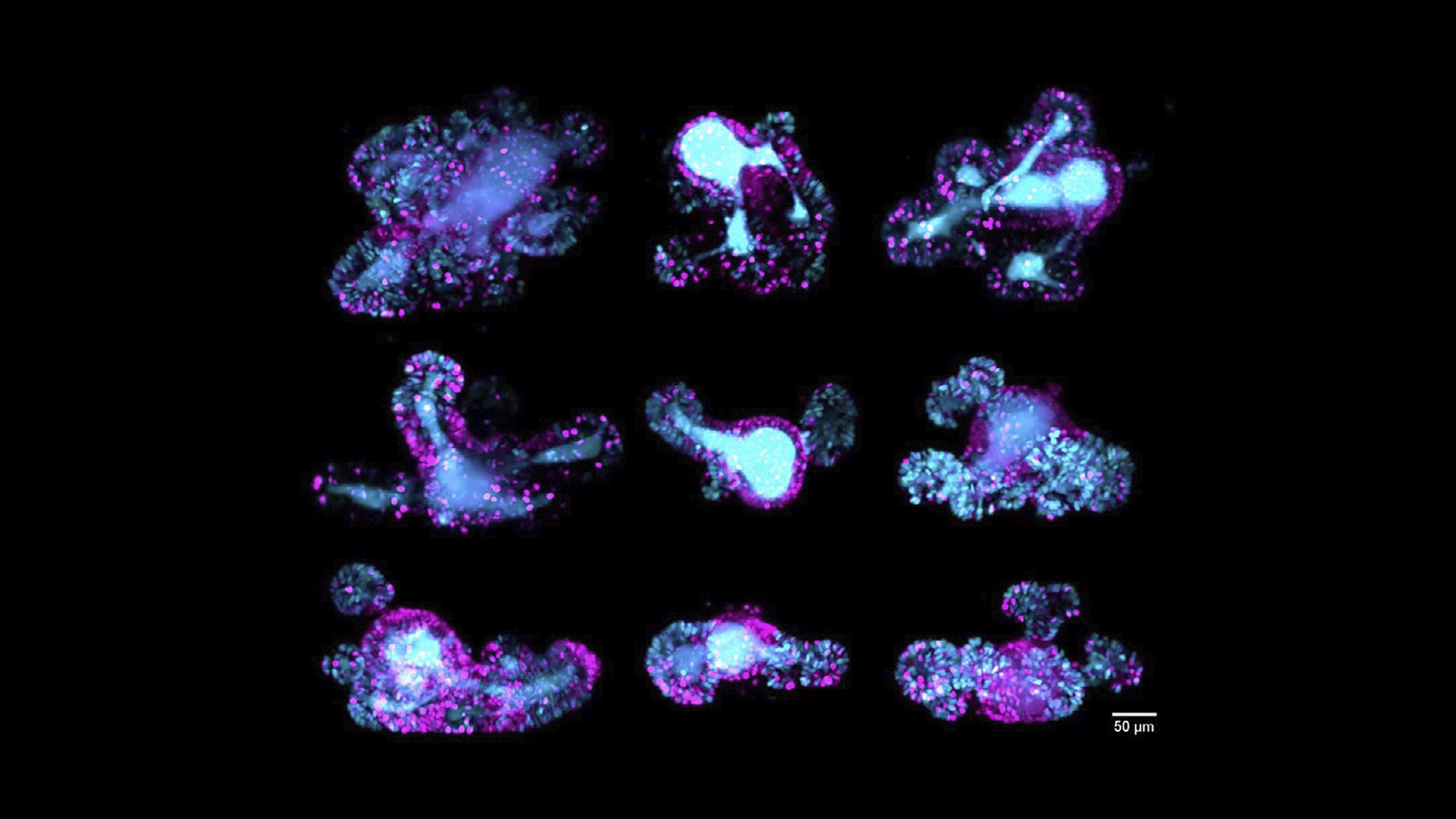
High-quality data extraction and long-term volumetric imaging of 3D samples
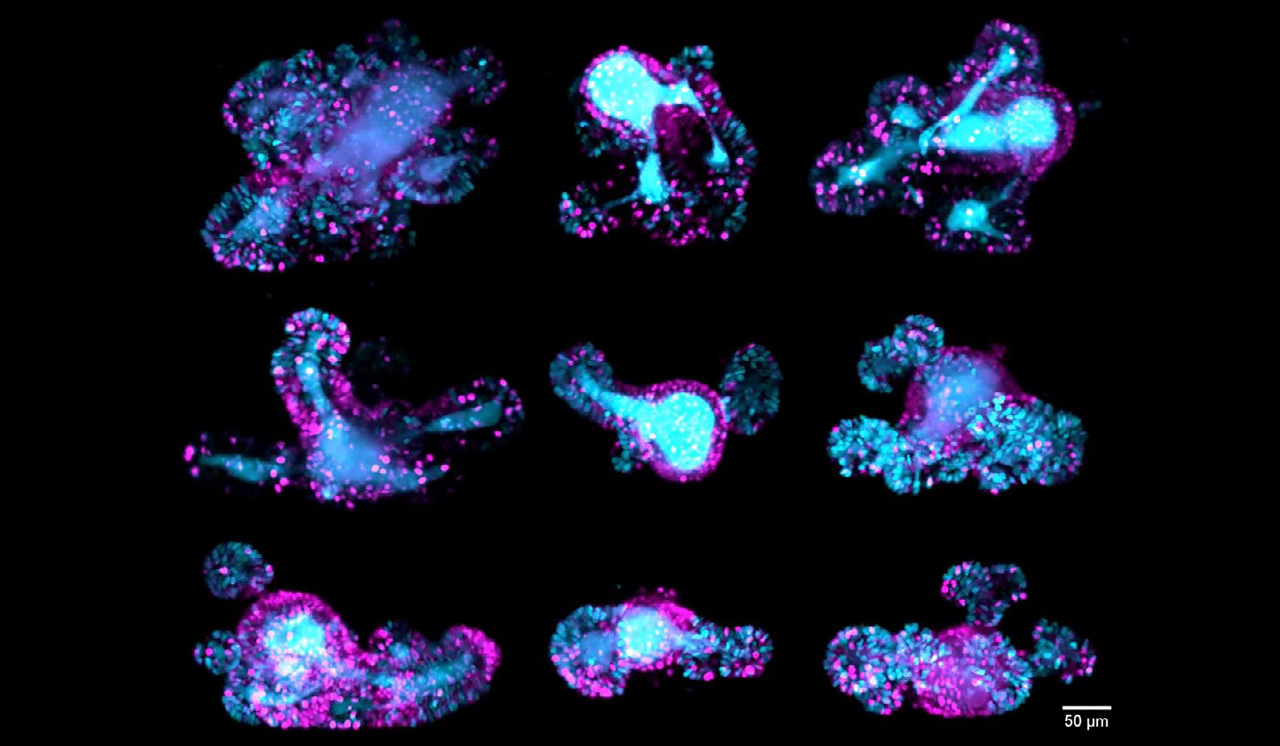
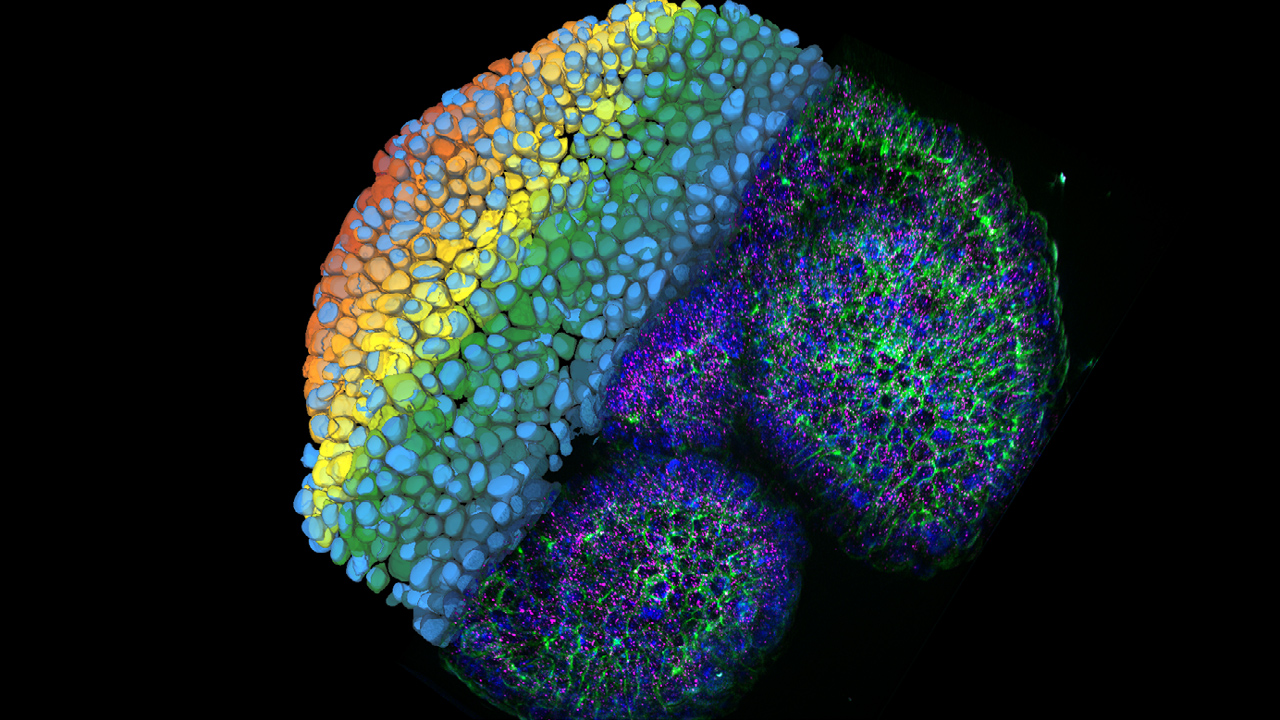
Extract more statistically significant data from challenging 3D samples in less time with high throughput spinning disk confocal. Viventis Deep provides a way to gently visualize up to 2x of the sample volume of multiple organoids in parallel with unprecedented detail over time.
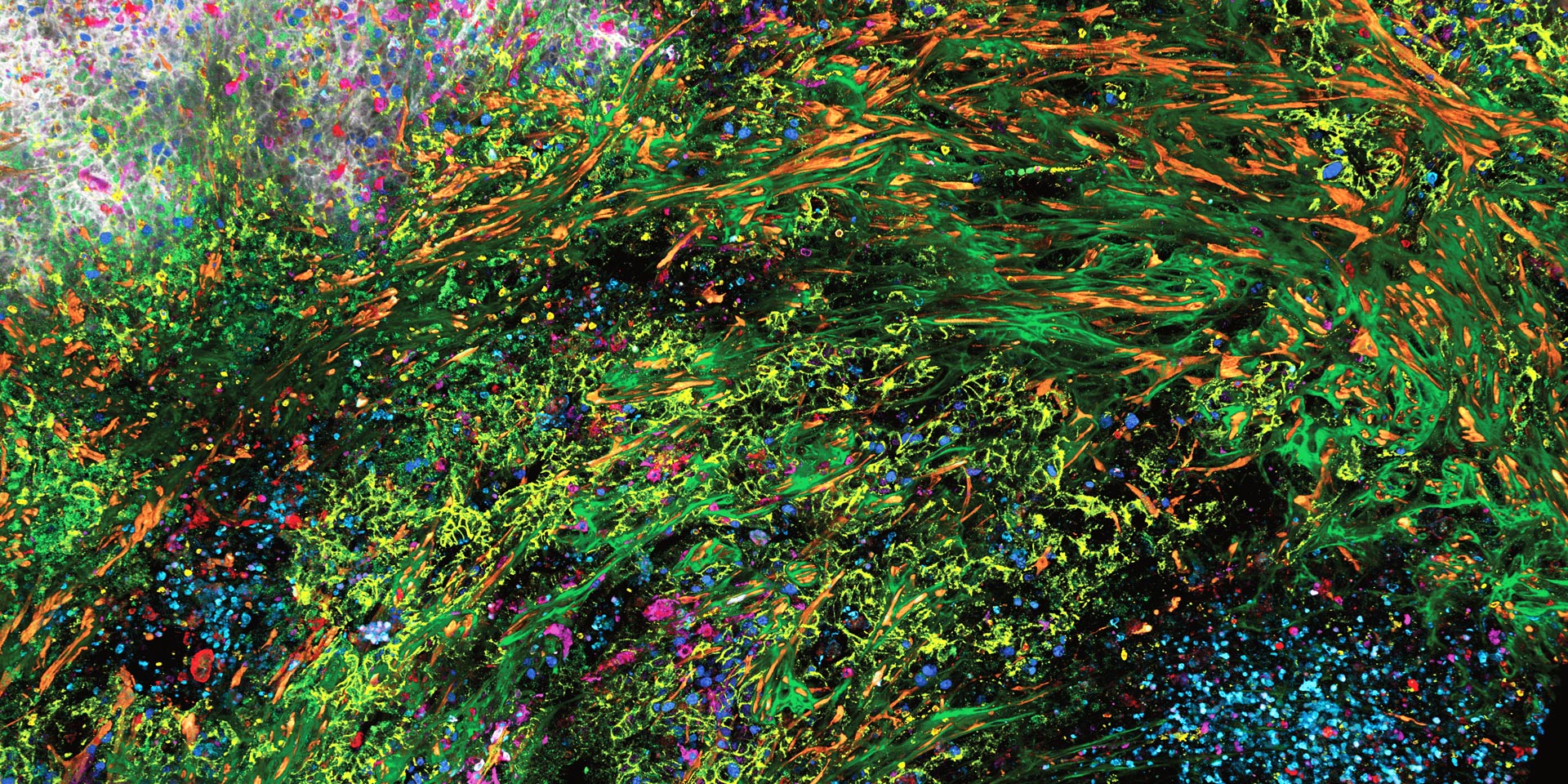

Early research: Understanding disease mechanisms
Early-stage biopharma research focuses on uncovering the cellular and molecular mechanisms of diseases. High-resolution imaging is essential to visualize biological structures and interactions in their native context.
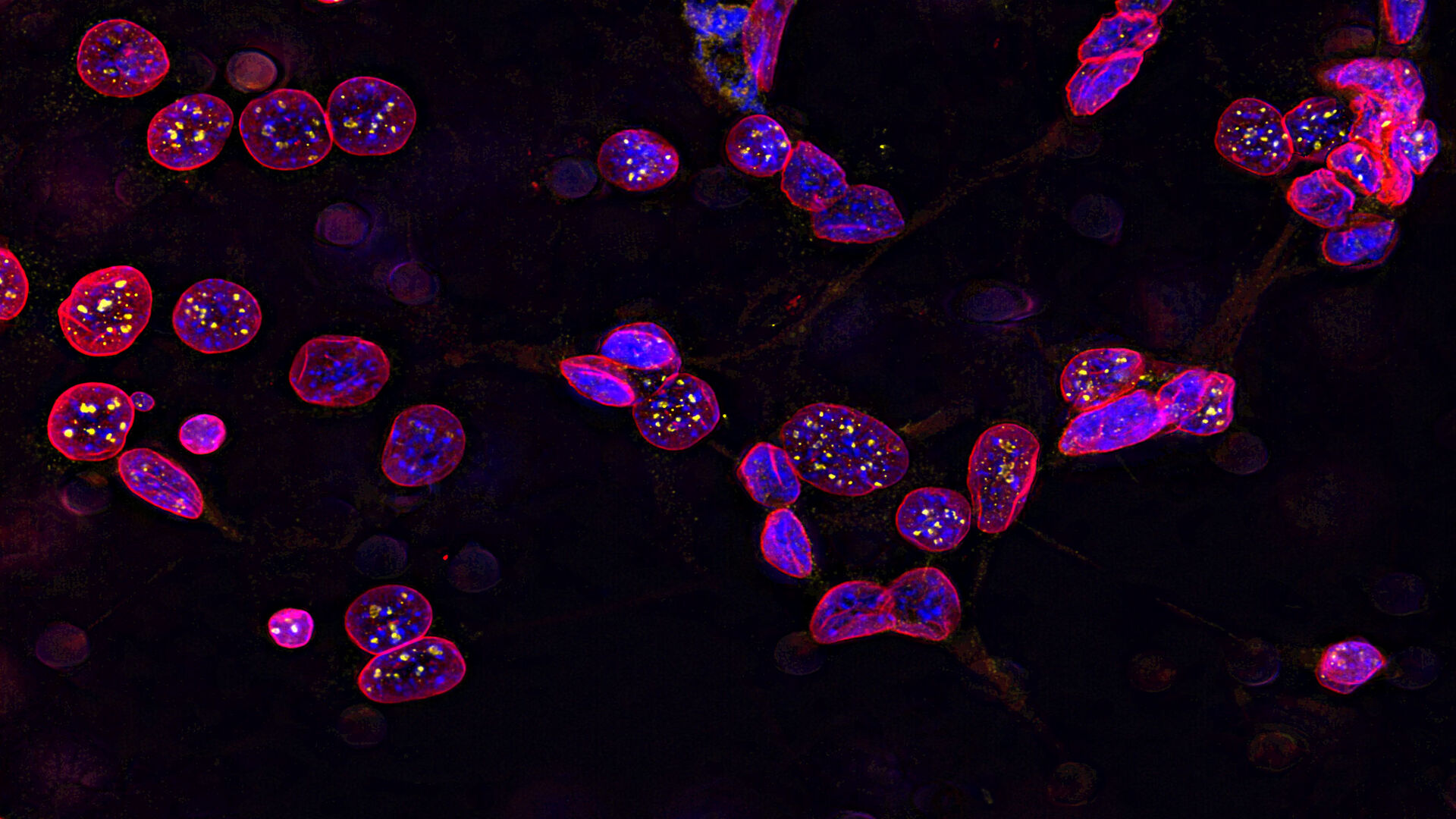
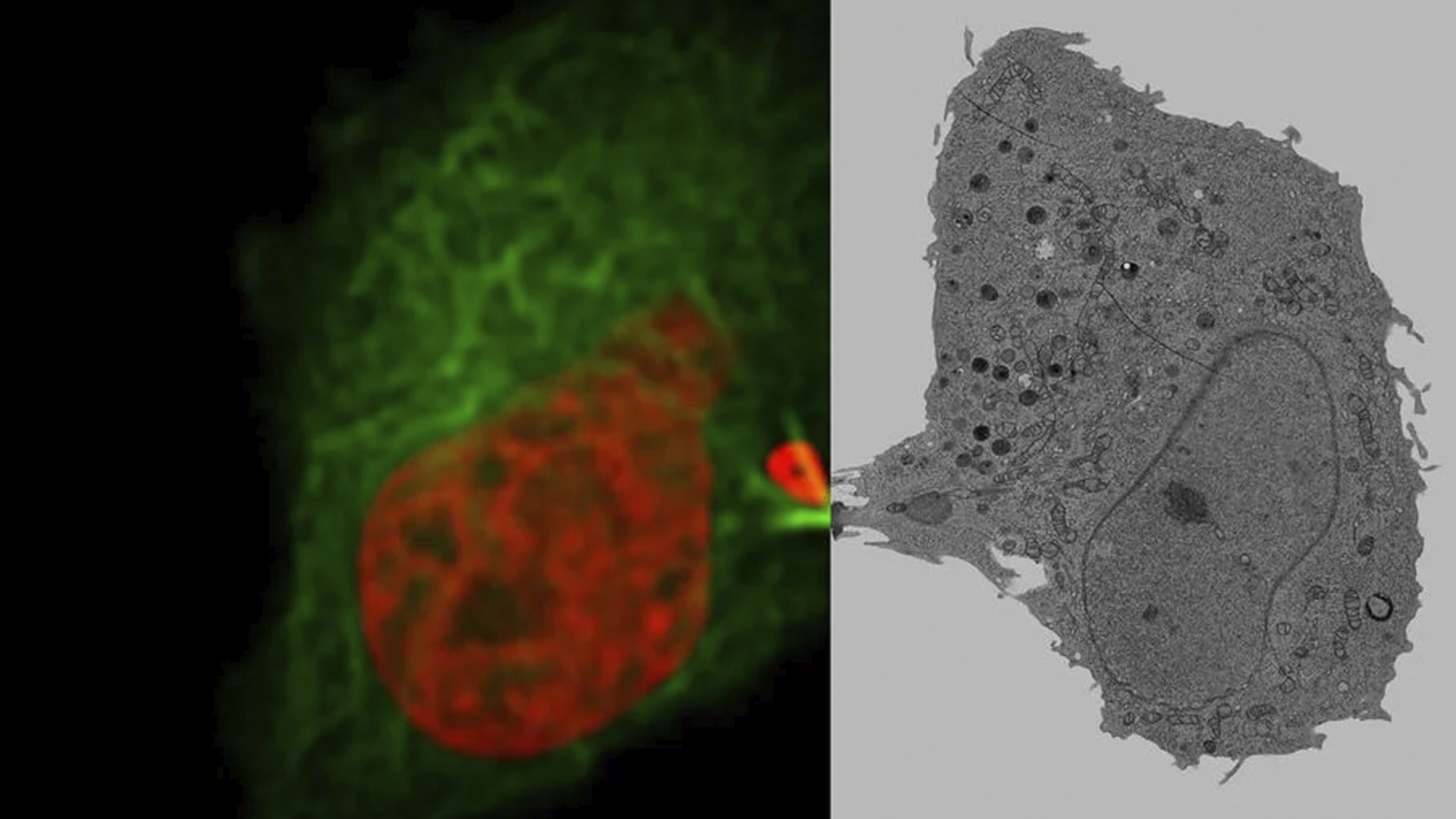
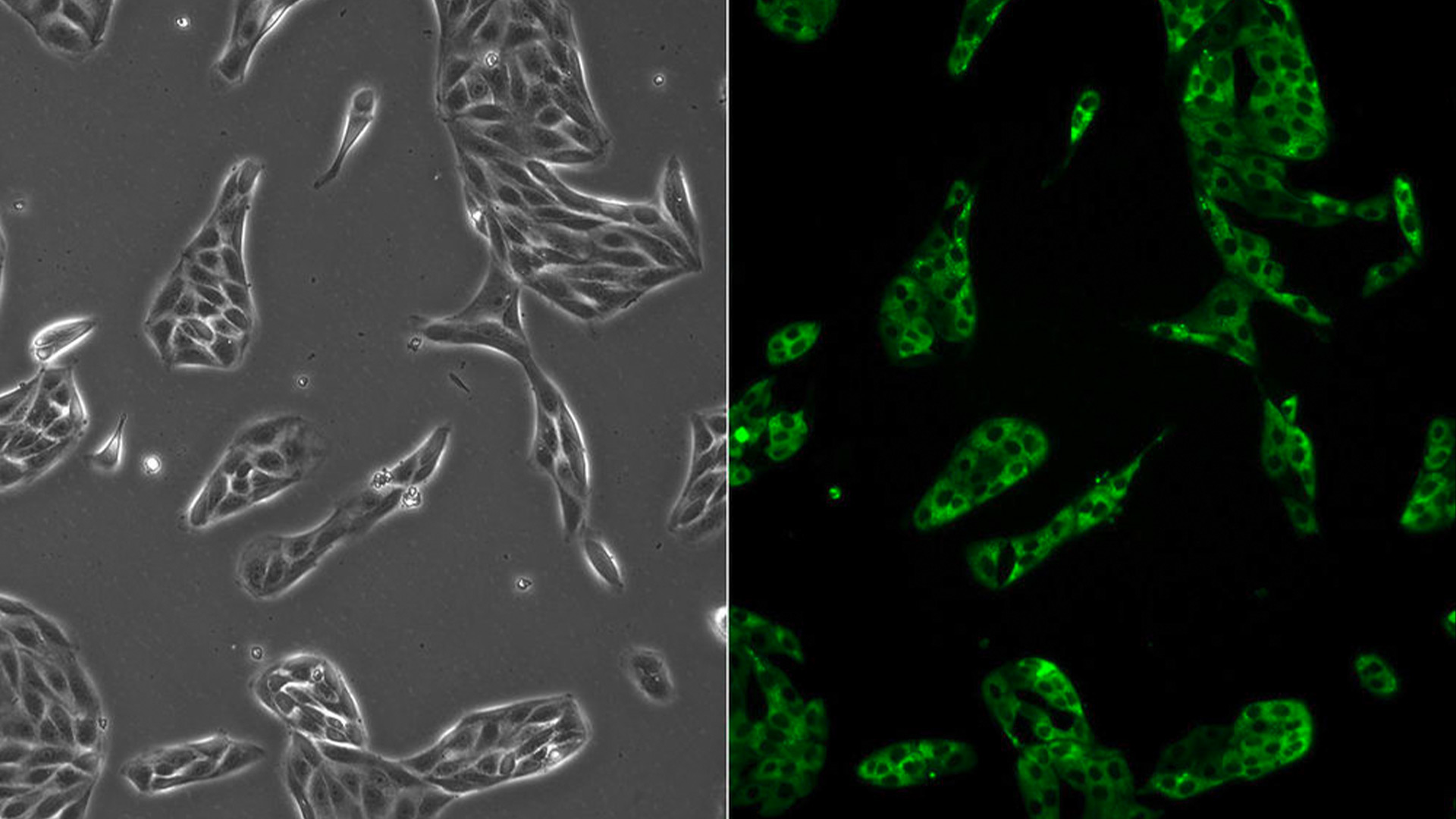
Leica advanced confocal, super-resolution, and widefield microscopy systems enable precise imaging of cells. They support live-cell imaging and time-lapse studies, providing critical insights into cellular behavior and disease progression. With intuitive Leica software and AI-enhanced image analysis, researchers can accelerate data interpretation and hypothesis generation.
Drug discovery: Target identification and validation
In drug discovery, identifying and validating biological targets is crucial. Visualizing protein expression, biomarker distribution, and cellular responses play a critical role in this process.Researchers need cutting-edge imaging tools to support immunofluorescence, and protein localization studies.
Leica confocal and super-resolution microscopes deliver the clarity and speed needed to screen and analyze large sample sets. Automation capabilities streamline acquisition and analysis, enabling reproducibility and reducing human error.
Drug manufacturing & quality control: Ensuring consistency and compliance
In manufacturing and quality control (QC) environments, maintaining product integrity, sterility, and regulatory compliance is non-negotiable. Visual inspection plays a key role in validating each step.
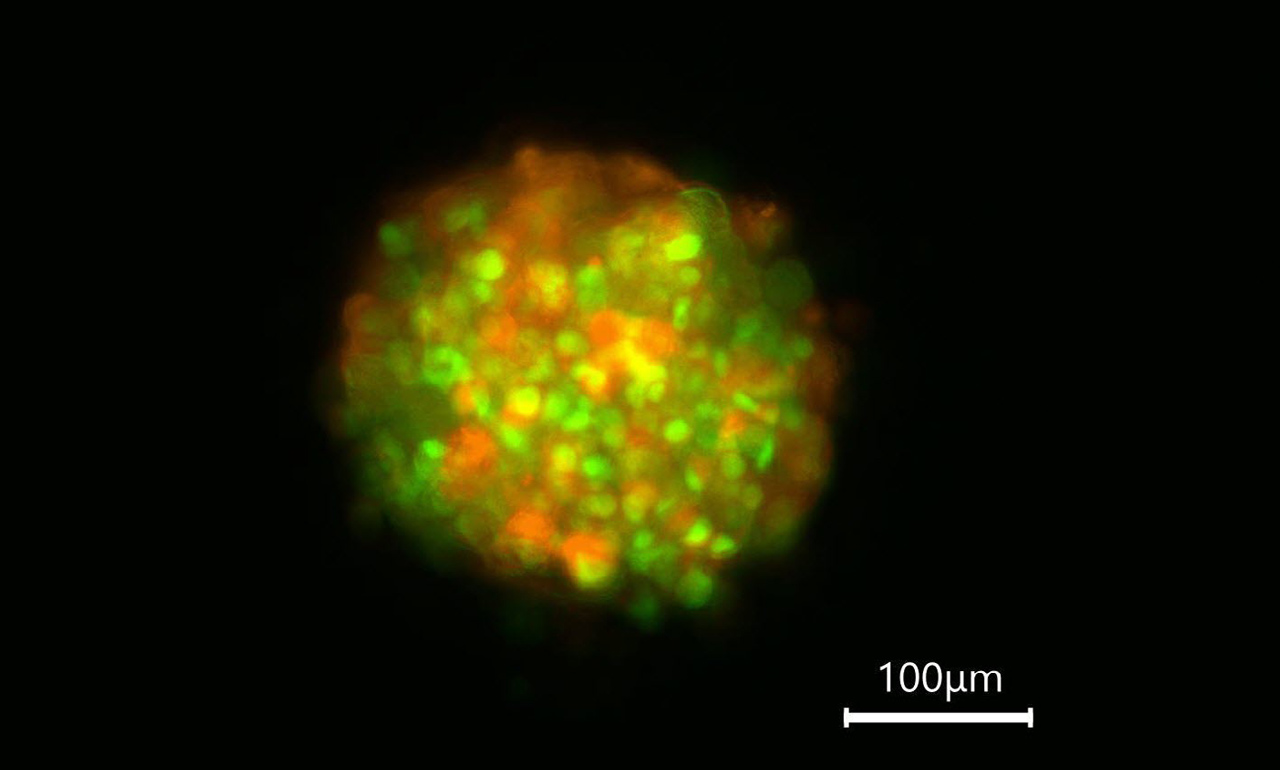
Mateo FL Digital Fluorescence Microscope helps to boost advanced cell culture research with its multi-modal fluorescence and transmitted light capabilities, automated analysis tools and secure data tracking. It has built-in audit trails and user management functionalities that support FDA 21 CFR Part 11 compliance, for easier and secure data management.
Drug development: Preclinical and translational research
As drug candidates move into development, rigorous testing and deeper biological insights become essential. Imaging helps researchers to evaluate efficacy, safety, and the mechanism of action.
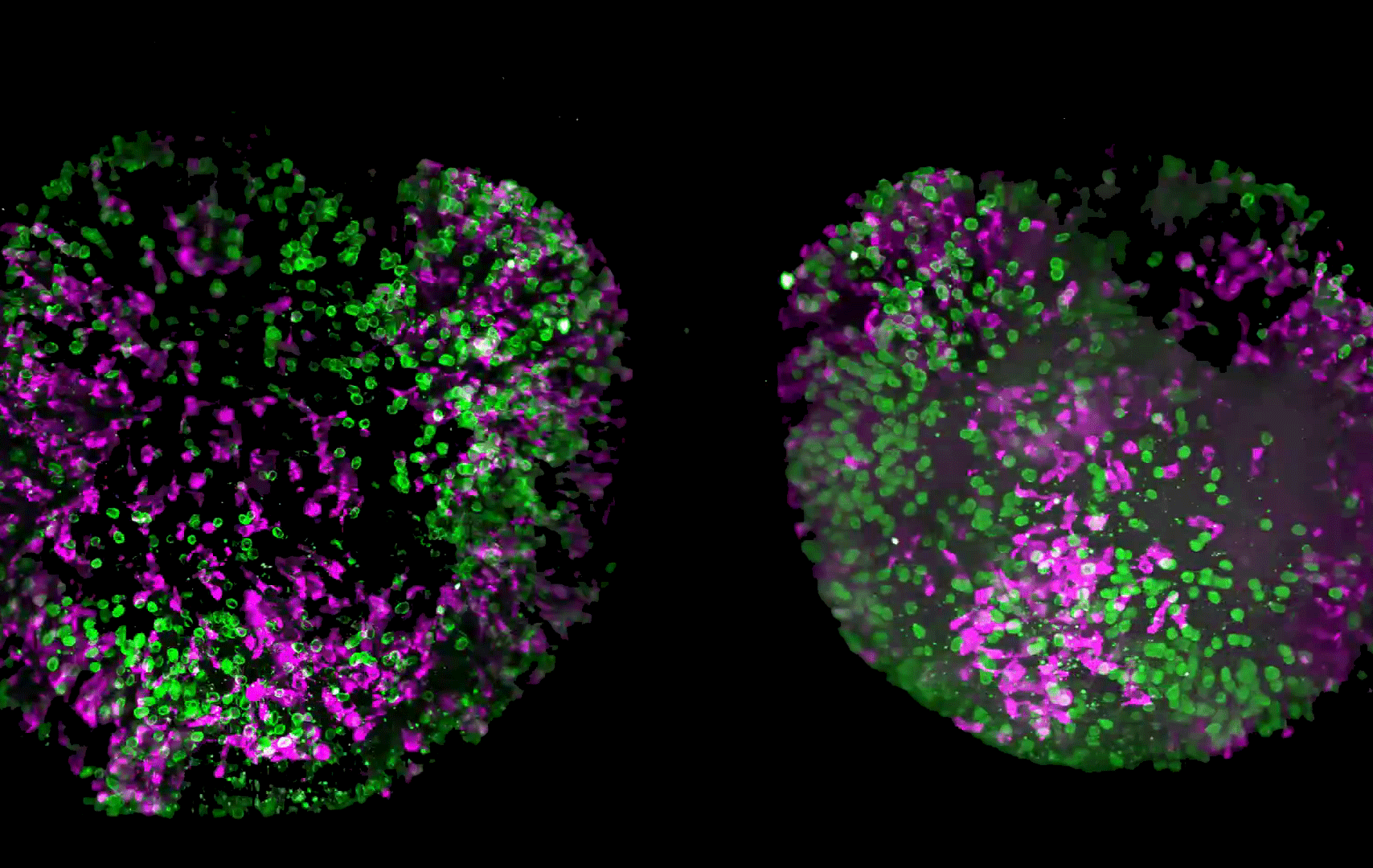
The THUNDER Imager Cell Spinning Disk from Leica Microsystems provides researchers with high quality data and clear details from 3D samples for a deeper and more detailed view which can help advance their research.
Frequently asked questions in biopharma
Patient safety is the highest priority. Therefore, knowledge about lethal dosages is invaluable and required by regulatory agencies before considering clinical trials. Live and dead assays can be utilized to determine the limits. For efficient acquisition of an adequate quantity of data, Mica is an optimal solution.
By providing precise tissue isolation, enabling high-quality genomic and proteomic analysis. Laser microdissection helps biopharma researchers target specific cells or tissue regions, facilitating more accurate and contamination-free studies in drug development.
Microscopy can help with gaining detailed spatial knowledge of cellular responses to compounds and drug candidates. During the drug discovery phase, i.e., quality control and in-depth analysis of response pathways for both living cell culture models and tissues, there are a range of Leica products that meet different discovery and development needs.