Medical Device Quality Assurance and Quality Control

Microscopy Solutions for Medical Device QA and QC

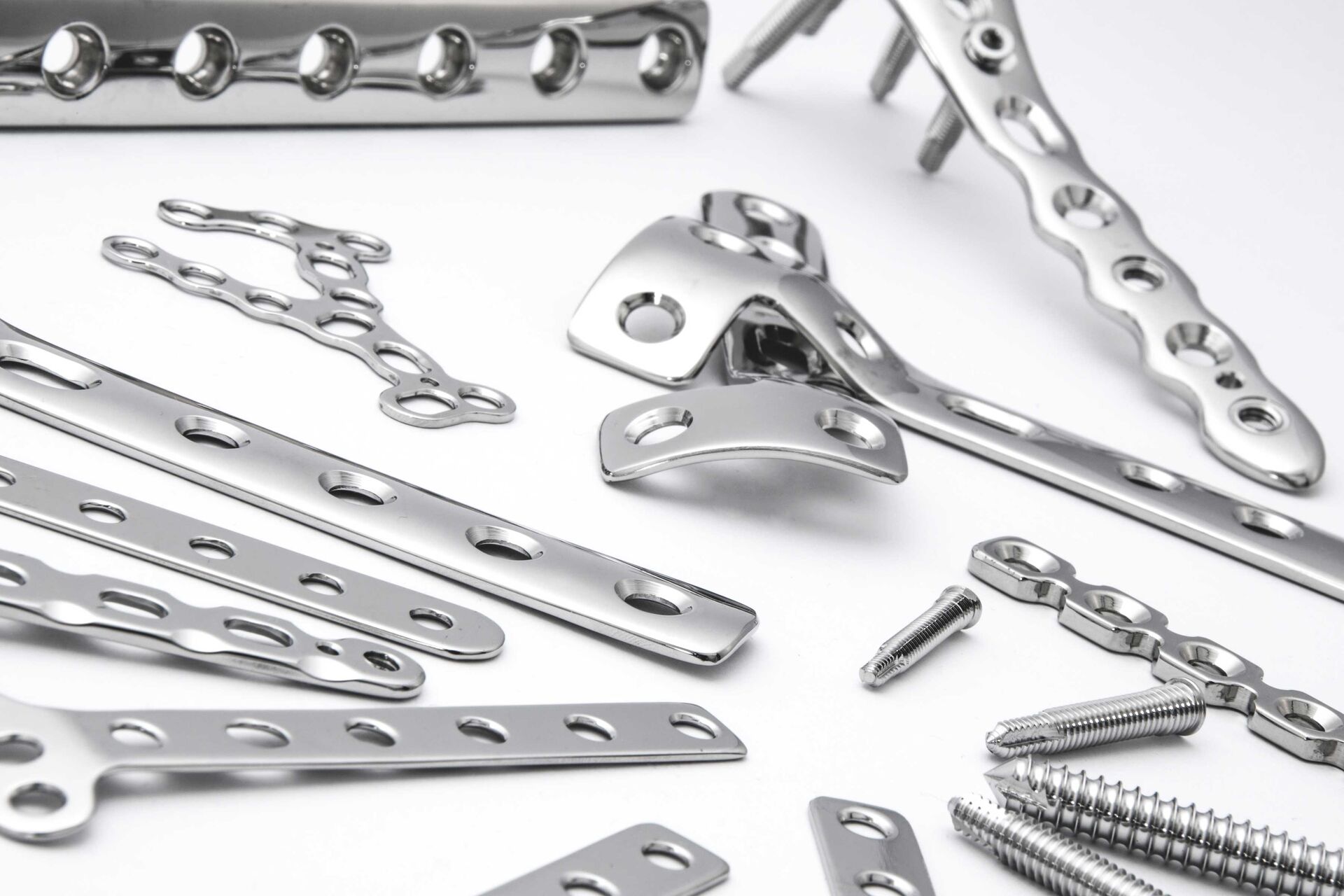
Medical devices, especially higher risk class II and III implantable devices (e.g., stents, dental implants, catheters) require precise inspection during quality assurance/quality control. Leica solutions help you identify, analyze, and document defects efficiently while ensuring compliance with regulatory requirements.

Contact our team of imaging experts

Please contact us for personal expert advice on our microscopy solutions for medical device quality assurance and quality control.

Select your field of application
How can I reliably detect micro-defects?

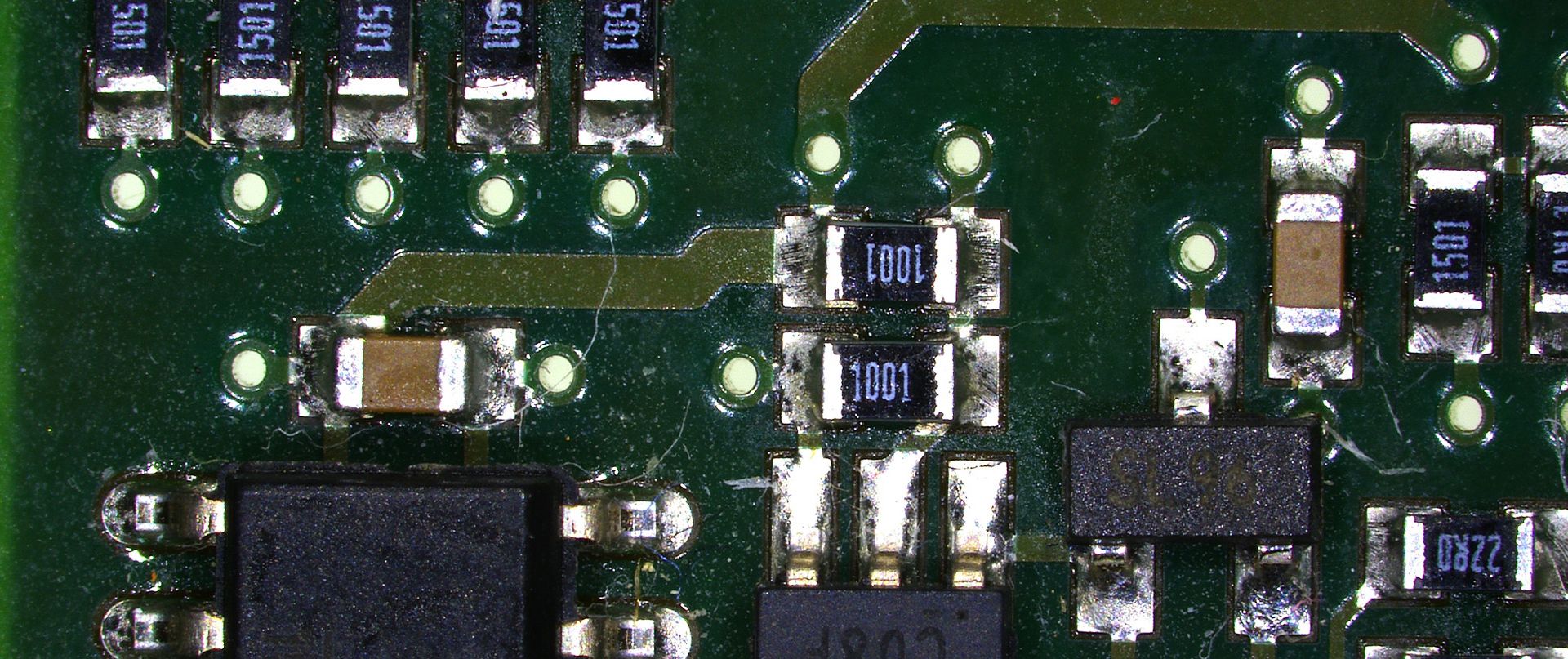
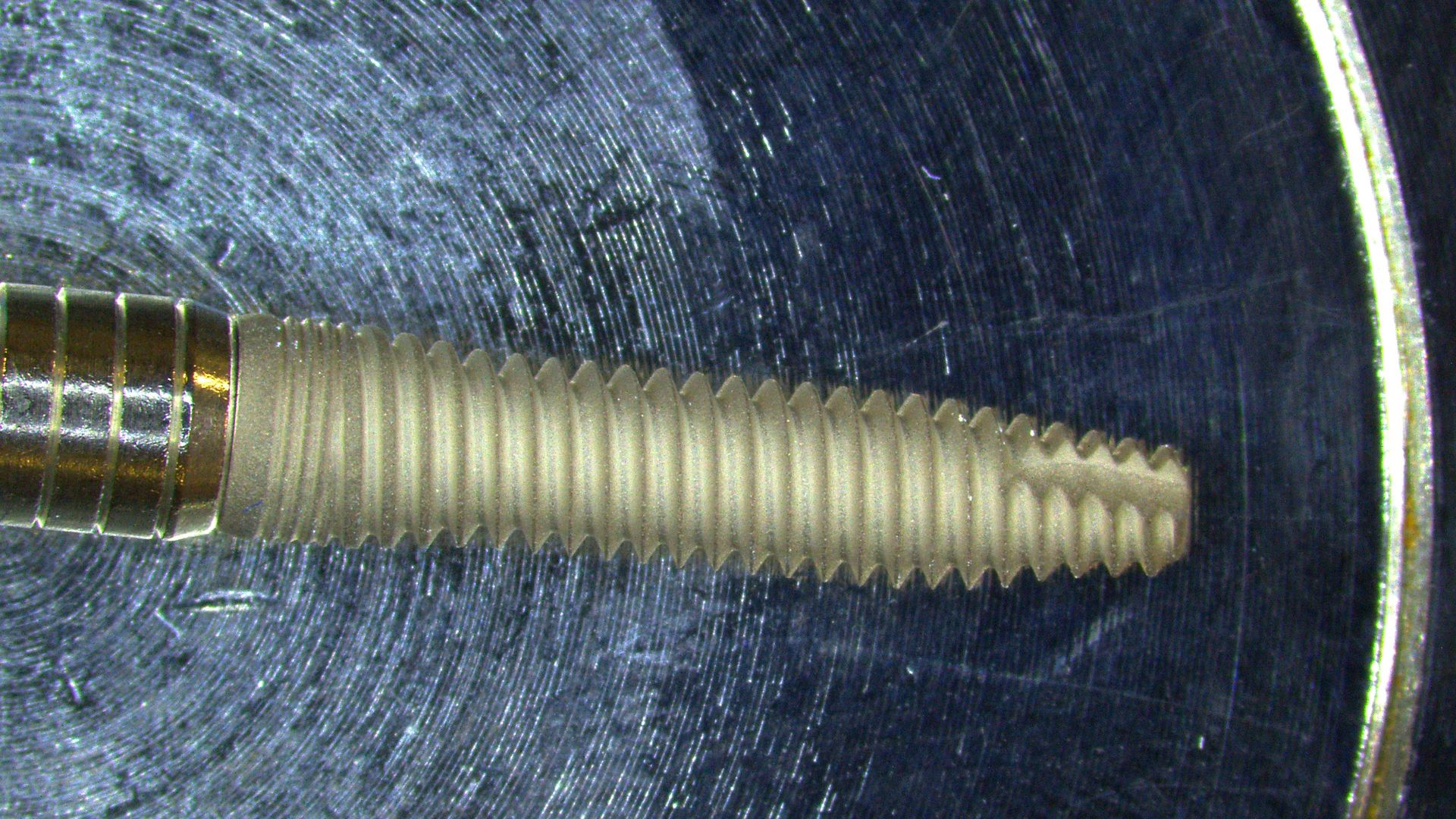
Using an optical microscope with appropriate resolution and illumination, users can accurately detect and measure defects, like cracks or other surface irregularities, in medical devices. Leica stereo microscopes provide a wide range of illumination options. FusionOptics enables users to see important sample details with an optimal 3D perspective.

How can I inspect irregularly shaped devices?

Having a microscope with a large depth of field and a flexible working distance is essential for inspecting irregularly shaped devices. With a working distance of up to 122 mm, the Ivesta 3 stereo microscope enables users to inspect in detail large or irregularly shaped samples.

How to avoid fatigue during visual inspection?

Work fatigue and strain is reduced by using ergonomically designed microscope workstations that promote user health and improve concentration leading to better quality of work. Ergonomic accessories for Leica stereo microscopes allow users to work in comfort, even over long periods of time.

How to visually inspect mixed material samples?

A medical device may consist of multiple materials (e.g., metals and plastic). Each material type needs a different kind of illumination during inspection. With the broad range of illumination options for Leica microscopes, users can efficiently observe edges and surface defects.

How do Leica microscopes help you improve quality assurance/quality control of medical devices?
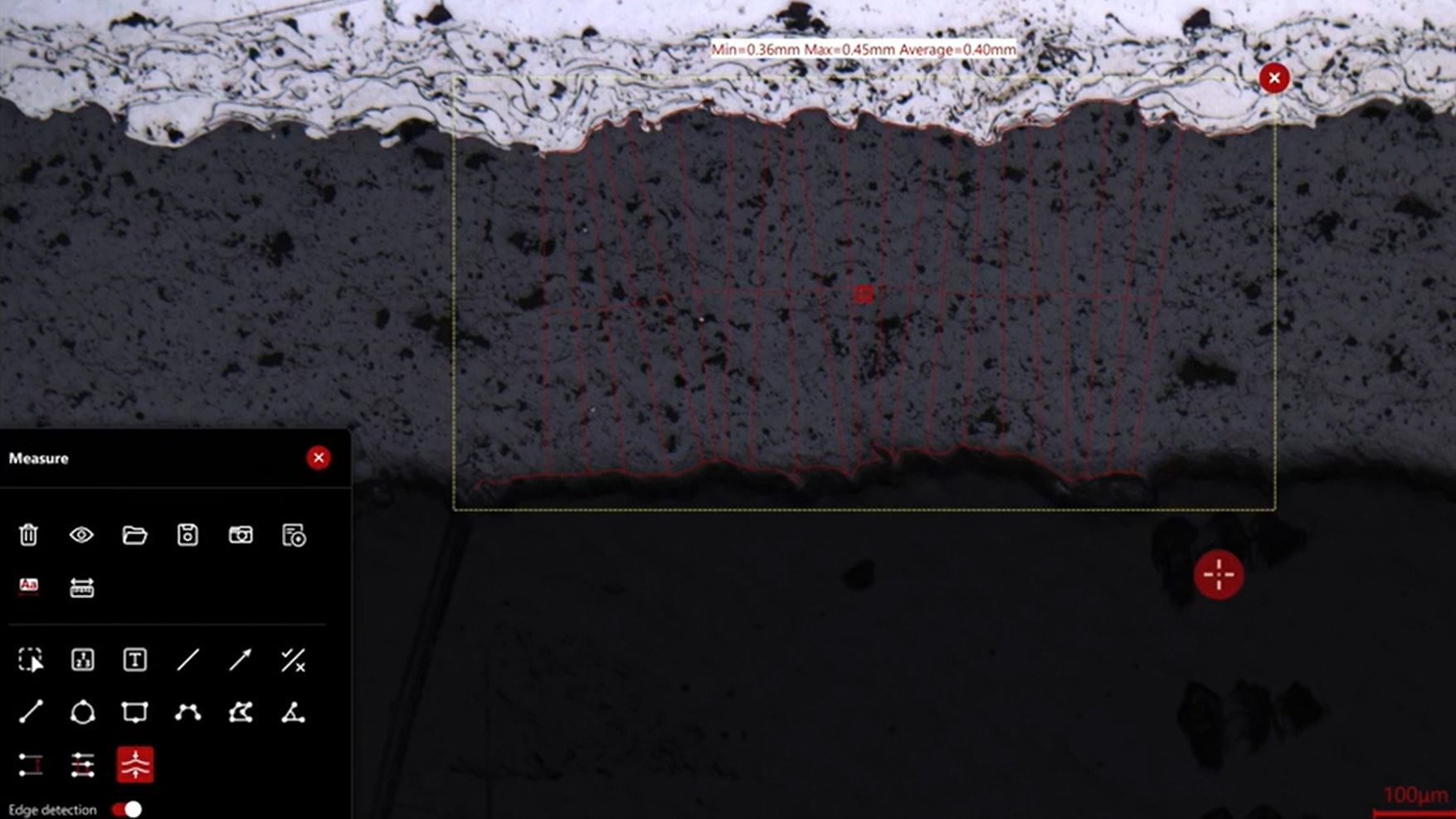

Speed up quality control processes 

The software available with Leica microscopes, e.g., LAS X for Industry and Enersight, offer users certain advantages for inspection of medical devices. The advanced modules of LAS X allow customized measurement templates, automated tasks, and customized reporting. Enersight is easy to use and offers measurement tools and features which help speed up inspection.
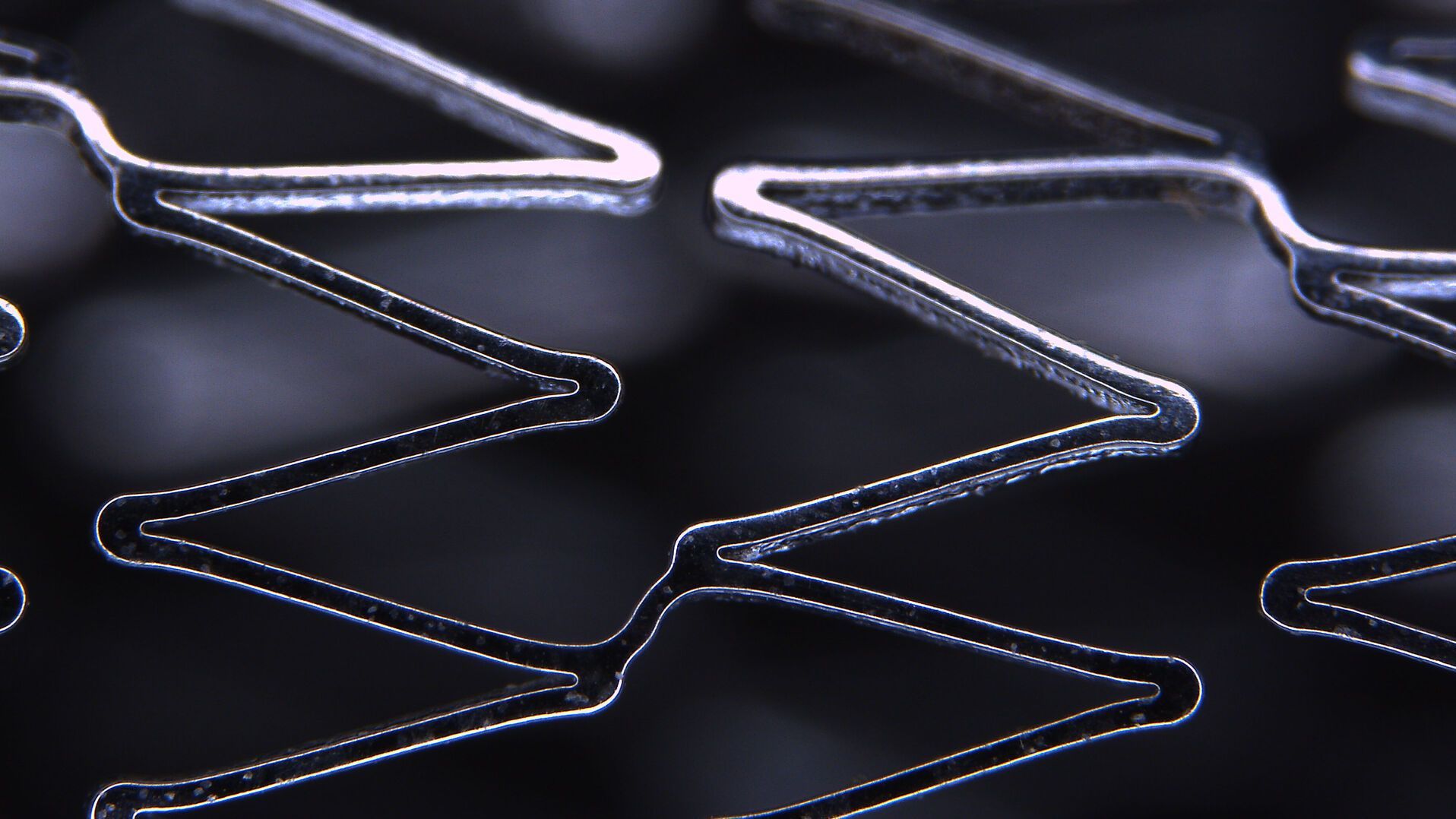

Inspect irregularly shaped devices

Leica stereo microscopes with the FusionOptics technology enable you to view and acquire images with a larger depth of field and higher resolution, helping you to see important details at a glance. This ability simplifies inspection of irregularly shaped devices like stents or catheters.
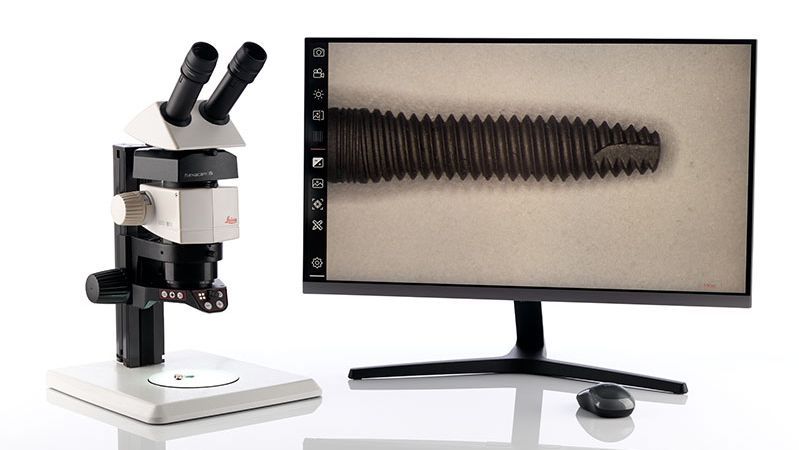

Increase comfort with ergonomics

There are a variety of ergonomic accessories for the M series stereo microscopes. Leica digital microscopes display sample images on a monitor. Users can view and analyze them while sitting in a comfortable position. You can improve performance with a well-designed work environment which is adaptable to various user needs.

Frequently asked questions Medical Device Quality Assurance and Quality Control Microscopy Solutions

Show answer How can microscopes help detect burrs, scratches, or surface defects on components of medical devices?

Detection and analysis of burrs on medical-device components can be done in an efficient and reliable way with an optical microscope. The critical burr size determines the performance needed. Important factors are illumination and contrast methods, resolution, magnification, fast image capture, storage, and access, and practical measurement tools.

Show answer What level of magnification and resolution is needed for inspecting microscale components?

The appropriate magnification and resolution of an optical microscope for microscale-component inspection depends on the critical feature size. For features >15 µm, a magnification up to 60x and a resolution of 3 µm likely would be required. For those >2 µm, up to about 1,000x magnification and approaching 1 µm resolution. For those >0.6 µm, up to about 1,500x magnification and <1 µm resolution.

Show answer Can digital microscopes improve consistency across multiple users when inspection medical devices?

For inspection of medical devices, users can quickly and easily learn how to operate a Leica digital microscope with less training and supervision time, due to the consistent and intuitive user interface. Users spend less time adjusting the microscope and more time inspecting. Encoded optics make it easier to follow standard procedures, so users get reliable results. There is also the ability to efficiently document and discuss results with others via a digital image display.

Show answer How can medical-device inspection with a microscope be optimized to reduce user fatigue?

To reduce user fatigue during inspection of medical devices, Leica microscopes can be optimized with key ergonomic and operation features. They are developed with user demands in mind, focusing on adaptability for various workflows needs, enhancing productivity and minimizing fatigue. Their ergonomic design ensures user comfort and reduces strain during long periods of inspection.

Related Articles

Read our latest articles about Medical Device Quality Assurance and Quality Control

The knowledge portal of Leica Microsystems offers scientific research and teaching material on the subjects of microscopy. The content is designed to support beginners, experienced practitioners and scientists alike in their everyday work and experiments.

More Articles
Quality assurance during production in a manufacturing plant.

Quality Assurance Improvement Across Industries

Precision is paramount. Imagine a pacemaker that fails mid-operation or a semiconductor flaw that causes a critical system crash. In industries, such as medical devices, electronics, and…
Radially grown sugar crystals which have been imaged with a Leica microscope using circular polarized light.

Polarizing Microscope Image Gallery

How polarization microscope images can be used for analysis is shown in this gallery. Polarized light microscopy (also known as polarizing microscopy) is an important method for different fields and…
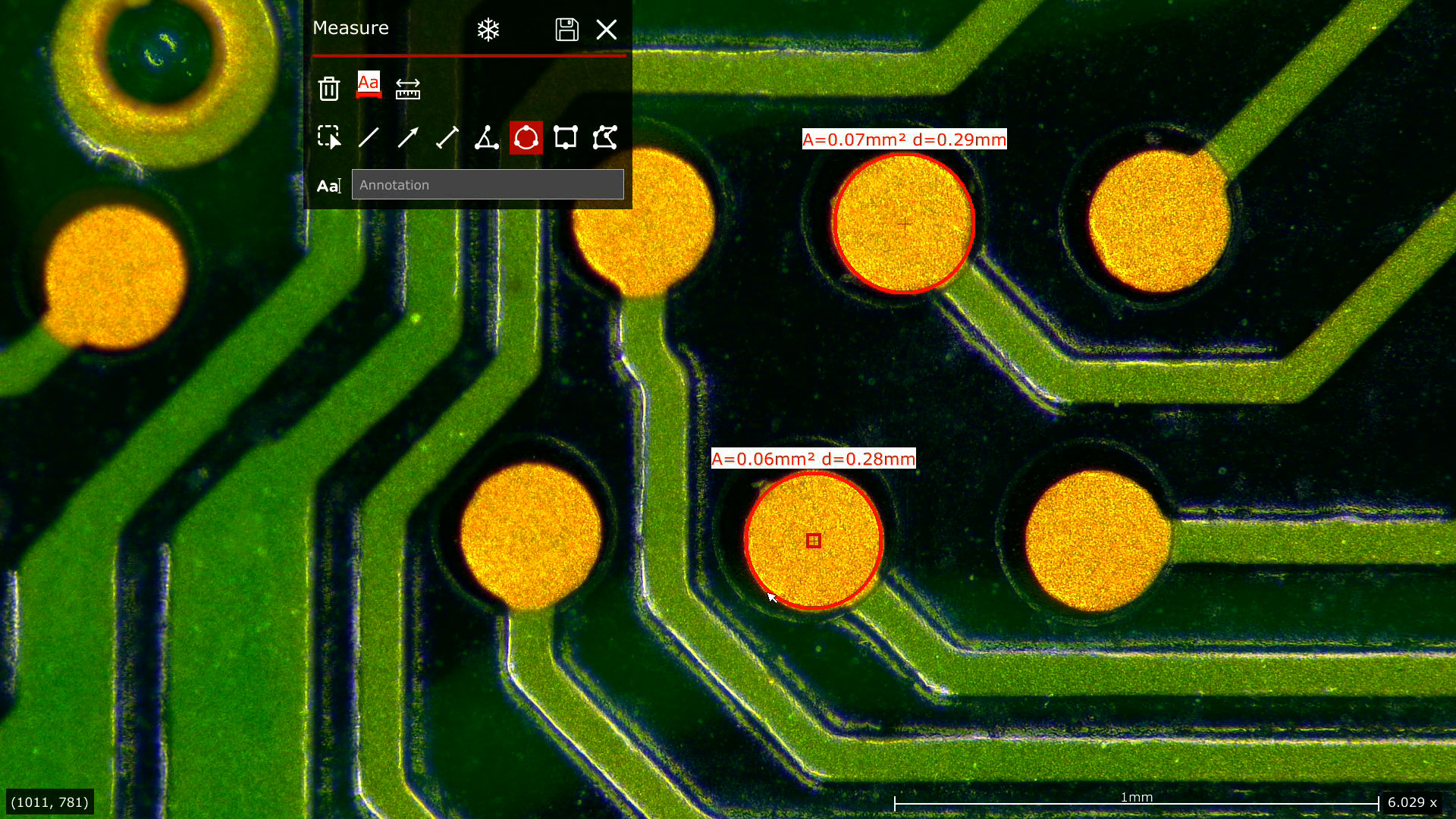
Some 2D measurements, e.g., lengths and areas, made on a PCB sample with a Leica measurement microscope using the Enersight software.

How to Select the Right Measurement Microscope

With a measurement microscope, users can measure the size and dimensions of sample features in both 2D and 3D, something crucial for inspection, QC, failure analysis, and R&D. However, choosing the…
Example of calibrating a microscope at a higher magnification value using a stage micrometer.

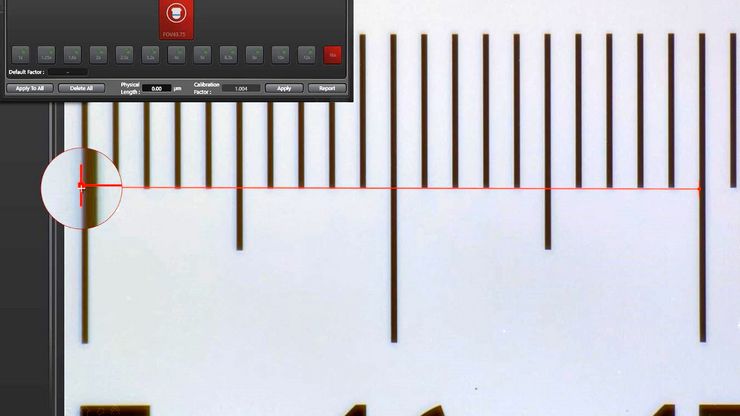
Microscope Calibration for Measurements: Why and How You Should Do It

Microscope calibration ensures accurate and consistent measurements for inspection, quality control (QC), failure analysis, and research and development (R&D). Calibration steps are described in this…
Documentation of an automotive clutch friction surface with a digital microscope

Automotive Part Verification and Development according to Specifications

Automotive part verification during the development and production of parts and components by suppliers or manufacturers is important for ensuring that specifications are met. Specifications are…
Area of a printed circuit board (PCB) which was imaged with extended depth of field (EDOF) using digital microscopy.

Depth of Field in Microscope Images

For microscopy imaging, depth of field is an important parameter when needing sharp images of sample areas with structures having significant changes in depth. In practice, depth of field is…
Leitz Laborlux: Tartaric acids, polarization contrast

The Polarization Microscopy Principle

Polarization microscopy is routinely used in the material and earth sciences to identify materials and minerals on the basis of their characteristic refractive properties and colors. In biology,…
Image of magnetic steel taken with a 100x objective using Kerr microscopy. The magnetic domains in the grains appear in the image with lighter and darker patterns. A few domains are marked with red arrows. Courtesy of Florian Lang-Melzian, Robert Bosch GmbH, Germany.

Rapidly Visualizing Magnetic Domains in Steel with Kerr Microscopy

The rotation of polarized light after interaction with magnetic domains in a material, known as the Kerr effect, enables the investigation of magnetized samples with Kerr microscopy. It allows rapid…
Region of a patterned wafer inspected using optical microscopy and automated and reproducible DIC (differential interference contrast). With DIC users are able to visualize small height differences on the wafer surface more easily.

6-Inch Wafer Inspection Microscope for Reliably Observing Small Height Differences

A 6-inch wafer inspection microscope with automated and reproducible DIC (differential interference contrast) imaging, no matter the skill level of users, is described in this article. Manufacturing…
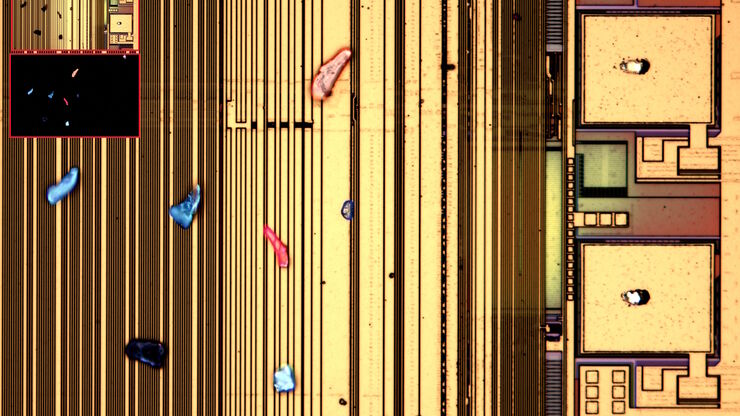
Optical microscope image, which is a composition of both brightfield and fluorescence illumination, showing organic contamination on a wafer surface. The inset images in the upper left corner show the brightfield image (above) and fluorescence image (below with dark background).

Visualizing Photoresist Residue and Organic Contamination on Wafers

As the scale of integrated circuits (ICs) on semiconductors passes below 10 nm, efficient detection of organic contamination, like photoresist residue, and defects during wafer inspection is becoming…
Area and distance measurements

Measurement

Measurement microscopes are useful for determining dimensions of sample features. They are key for efficient quality control (QC), failure analysis, and research and development (R&D).

Read More

Inspection Microscopes

Leica inspection microscopes cover your needs, whether it is to have an overview of a component or sample or visualize fine details.

Read More

Inspection for the Assembly & Rework

Achieve accuracy and speed to maximize productivity and provide high-quality results comfortably with ergonomic microscope solutions from Leica Microsystems. With excellent optical quality and large field of view, these systems ensure operator comfort while optimizing assembly and rework workflows.

Read More

Industrial Applications

Microscopes for Industrial Applications from Leica Microsystems help you minimize downtime through a broad range of solutions and expert local support.

Read More

Area and distance measurements
Scroll to top