
Introduction
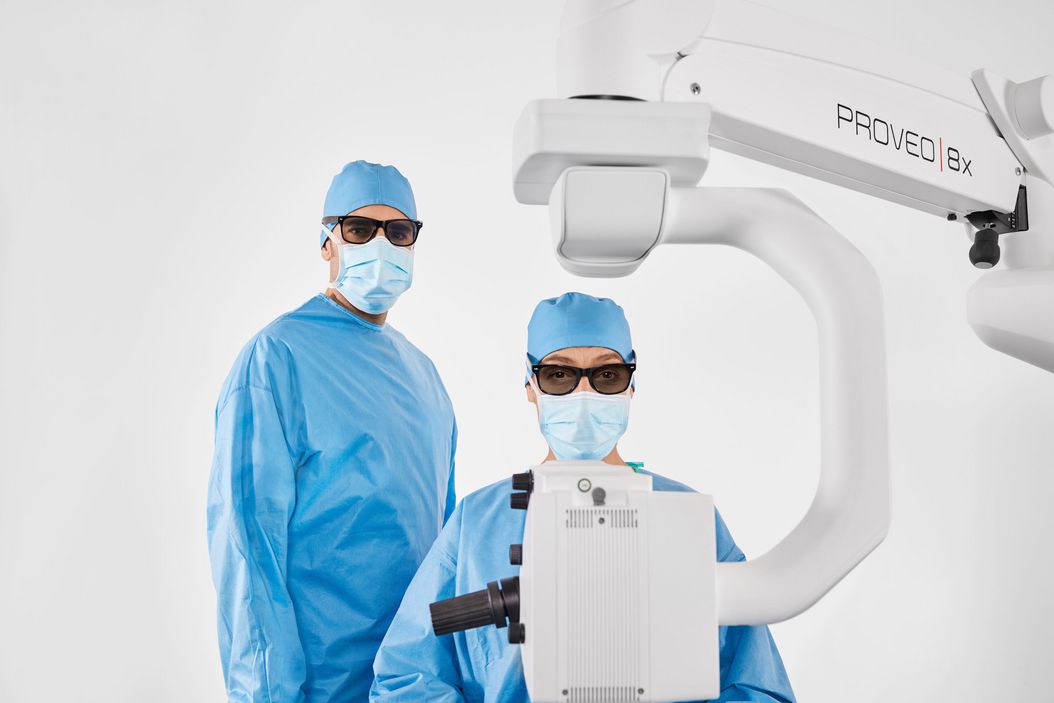
3D digital visualization is rapidly transforming ophthalmic surgery. Modern 3D surgical microscopes enable surgeons to perform procedures using high-resolution digital displays rather than traditional eyepieces, allowing a heads-up surgical approach. These systems combine 4K visualization, ergonomic advantages, and integration with digital surgical devices, helping surgeons maintain focus and precision during complex ophthalmic procedures. As a result, digital microscopy is increasingly being adopted in surgeries such as cataract, vitreoretinal, and glaucoma procedures.
The following sections highlight four key areas where 3D visualization systems are delivering meaningful value in the operating room.
1. High-resolution 4K visualization enhances surgical precision
Modern 3D surgical platforms are equipped with advanced digital cameras and 4K monitors, delivering exceptional image quality with vibrant color fidelity and fine detail. This ultra-high-definition (UHD) visualization combined with 3D depth perception enables surgeons to distinguish subtle anatomical structures more easily during delicate ophthalmic procedures.
Real-time digital imaging allows surgeons to maintain a clear view of the surgical field while performing precise maneuvers during heads-up surgery.
2. Heads-up surgery improves ergonomics and reduces surgeon fatigue
Conventional ophthalmic microscopes require surgeons to maintain a fixed posture while viewing through eyepieces, which can contribute to neck strain and musculoskeletal discomfort over time.
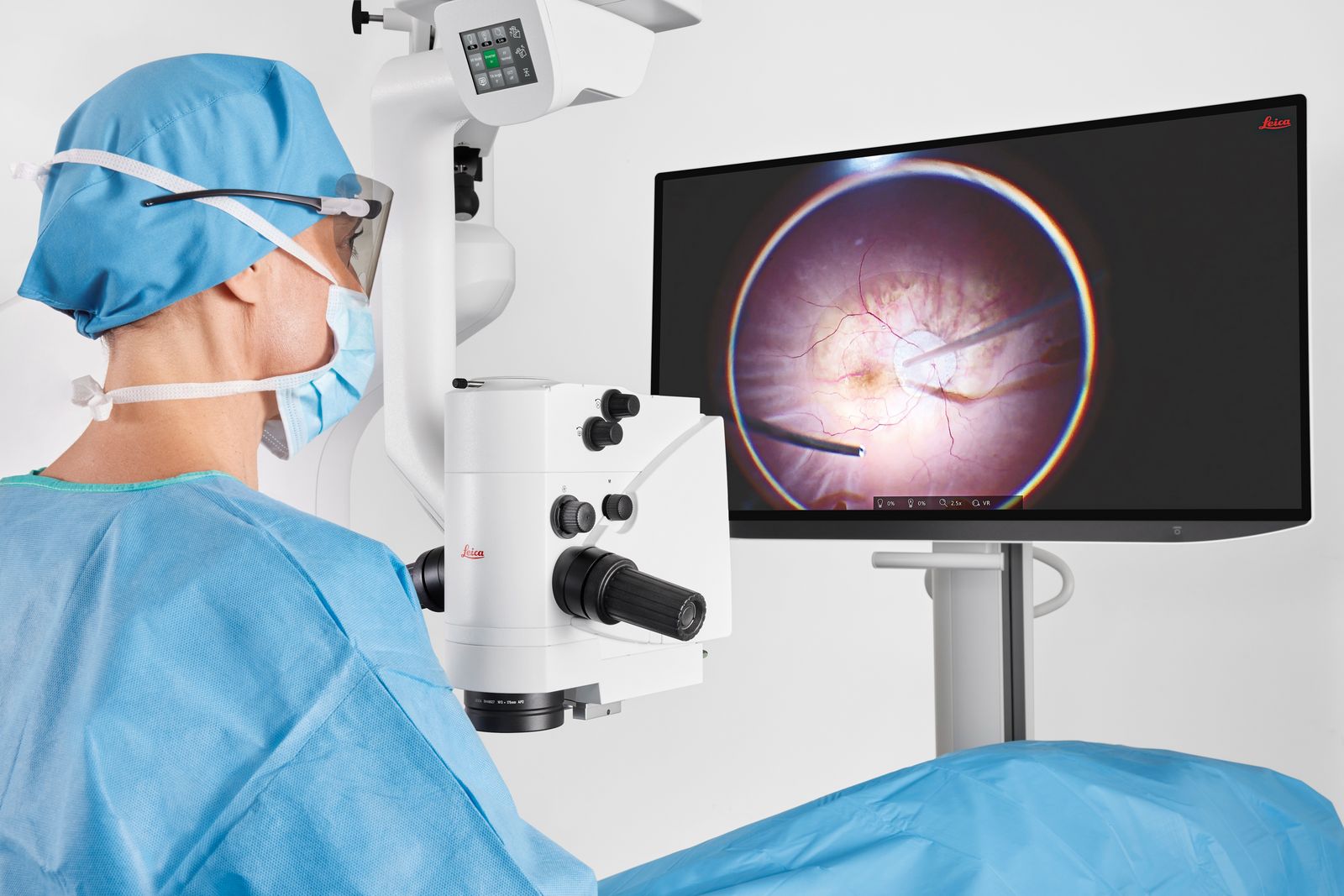
By contrast, 3D heads-up visualization systems allow surgeons to operate while viewing a large 3D display or headset, enabling a more natural working posture. Surgeons can sit upright, relax their shoulders, and adjust their viewing position more freely. These ergonomic improvements may help reduce physical strain and fatigue among ophthalmic surgeons [1-3].
Systems such as the Proveo 8x digital ophthalmic microscope support flexible visualization setups. The system includes a 32-inch 3D monitor mounted on a flex arm, which can be positioned conveniently under the operating table to provide a closer viewing distance while maintaining an unobstructed surgical field. This configuration also helps optimize space in smaller operating rooms.
3. Real-time data integration supports intraoperative decision-making
Another advantage of digital surgical microscopes is their ability to integrate information from multiple surgical systems directly into the surgeon’s view. During surgery, key data from compatible devices can be displayed alongside the surgical image, reducing the need to look away from the operative field. This capability is particularly valuable during complex ophthalmic procedures such as vitrectomy, cataract surgery, and glaucoma surgery, where continuous monitoring of surgical parameters can support efficient workflow and informed decision-making.
The Proveo 8x 3D digital microscope system integrates data from compatible surgical technologies, including phaco systems and intraoperative OCT (optical coherence tomography), into a unified cockpit view.
By consolidating multiple data sources within a single display, surgeons can maintain focus on the surgical field while accessing critical information in real time.

4. Shared 3D visualization enhances training and collaboration
3D digital microscopy also improves communication and learning within the operating room. During heads-up surgery, the entire surgical team, including assistants, nurses, and trainees, can view the same high-resolution 3D image as the surgeon. This shared visualization enhances team coordination and provides valuable educational opportunities during live procedures.
When combined with MyVeo surgical headsets, the Proveo 8x system can deliver a real-time 3D view to multiple users simultaneously. The headset provides an immersive visualization experience while maintaining peripheral awareness of the operating room environment, allowing observers to follow surgical steps closely and naturally.
Which ophthalmic procedures benefit from 3D surgical microscopy?
Digital 3D visualization is increasingly used across a wide range of ophthalmic procedures, including:
- Cataract surgery
- Vitreoretinal surgery
- Glaucoma procedures
- Retinal membrane surgery
- Complex anterior segment surgery
In these procedures, enhanced visualization, ergonomic benefits, and integrated surgical data can contribute to improved workflow and precision.
Conclusion
3D digital microscopy is reshaping ophthalmic surgery by combining high-resolution visualization, improved ergonomics, and integrated surgical data. These systems allow surgeons to perform heads-up surgery with enhanced comfort while maintaining a clear and detailed view of the surgical field. At the same time, digital integration and shared visualization open new possibilities for intraoperative collaboration and surgical education.
As digital visualization technologies continue to evolve, they are expected to play an increasingly important role in advancing ophthalmic surgical techniques and patient care. Surgeons interested in experiencing the capabilities of 3D heads-up ophthalmic surgery can explore the Proveo 8x digital microscope system and its integrated visualization solutions.
References
- How to Select a Microscope for Cataract Surgery: Considerations for anterior segment procedures in ophthalmology, Science Lab (2021) Leica Microsystems.
- A. Dhami, Buying an Ophthalmic Microscope? Gain Peers Insights from Dr. Dhami: How key features, such as optics quality, enhance Dr. Dhami's surgical precision in cataract and retina procedures and why he chose the M822 ophthalmic microscope, Science Lab (2024) Leica Microsystems.
- A. Young, Heads-up displays more ergonomic for ophthalmic surgeons, Ocular Surgery News (2025) Healio.


