Material Science & Analysis

Materials science & analysis microscopes are used for analysis of materials like metal alloys, semiconductors, glass, ceramics, and plastics. Leica Microsystems offers advanced microscopy solutions that support quality control, failure analysis, and R&D which empower you to achieve deeper insights.

Contact Us For Personal Support

Please contact us if you would like to have personal expert advice on our microscopy solutions for Material Science & Analysis.

How to analyze impurities and internal structures?

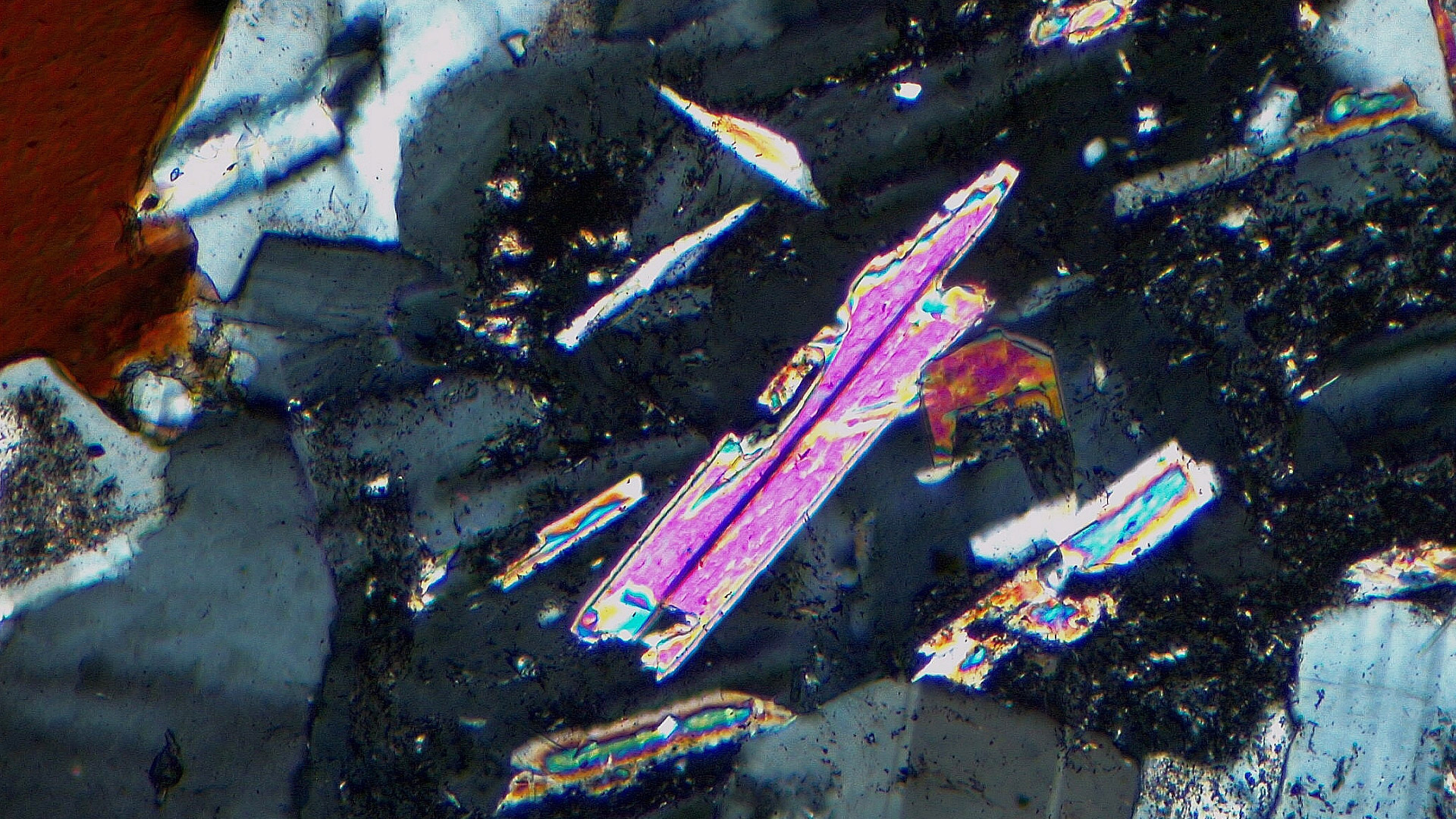
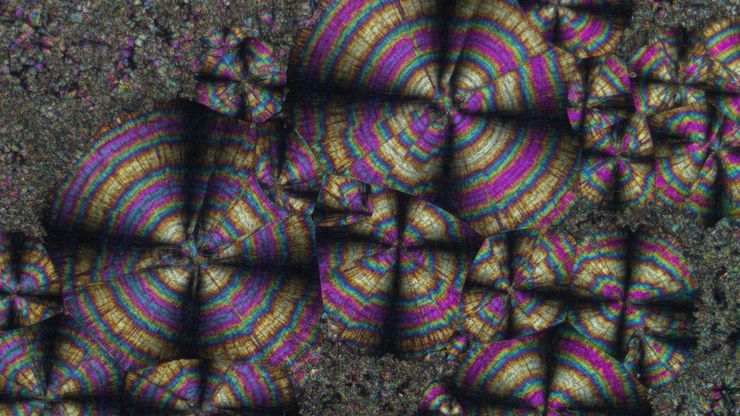
Using microscopy with polarization and differential interference contrast (DIC) helps users visualize internal material structures, like micro-cracks and inclusions, that are invisible with standard brightfield lighting. Polarization highlights anisotropic materials, while DIC enhances contrast in transparent samples without staining. The DM4 P and DM6 M microscopes offer polarization and DIC.

How to precisely prepare microscopy imaging samples?

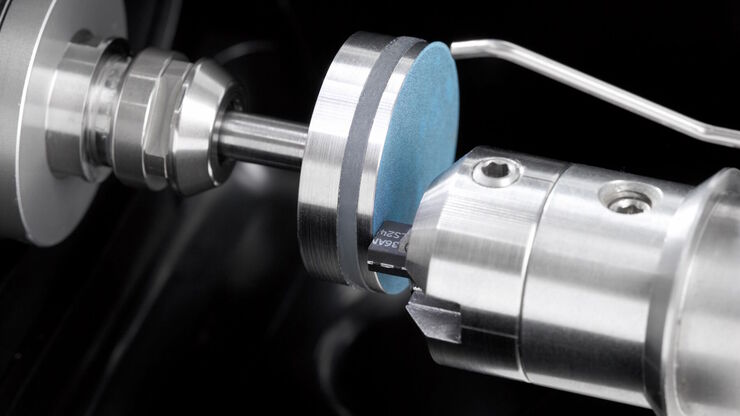
Precise cutting, grinding, and polishing of hard materials enables you to target specific sample regions with micron-level precision. It is possible when using the EM TXP target preparation system.

For damage-free cross-sections of heterogeneous or brittle materials and ultra-flat surfaces, the EM TIC 3X employs triple ion beam milling.

Where are material analysis microscopes used?

Material analysis microscopes are used for a variety of applications, e.g. quality control (QC), research and development (R&D), technical cleanliness, and failure analysis (FA). They are important for a variety of industries and fields like automotive, aerospace, alloys, semiconductors, electronics, medical devices, earth science, forensics, chemical engineering, and pharmaceutical science.

Why choose a 2-methods-in-1 solution?

A 2-methods-in-1 solution is an optical microscope which is also capable of doing laser induced breakdown spectroscopy (LIBS). It can both image a material sample and analyze its chemical composition, including microstructural features like phases and inclusions. This solution helps users achieve a more streamlined, efficient materials analysis.

Why use Leica microscopes for material science & analysis?
Never miss a detail

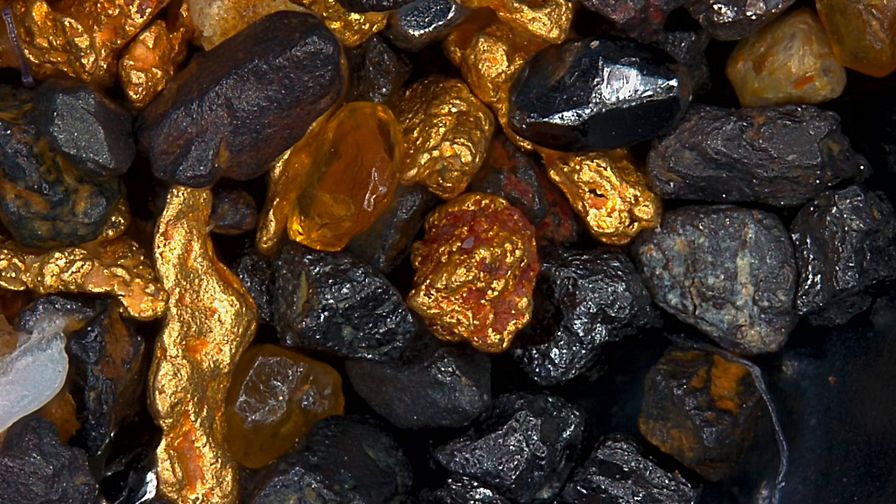
Geoscientists, petrologists, art restorers and historians, archaeologists, and experts from related fields can rely on Leica optics, imaging systems, software and ergonomic accessories. They enable accurate specimen work, detailed structural analysis and documentation.
Get faster results

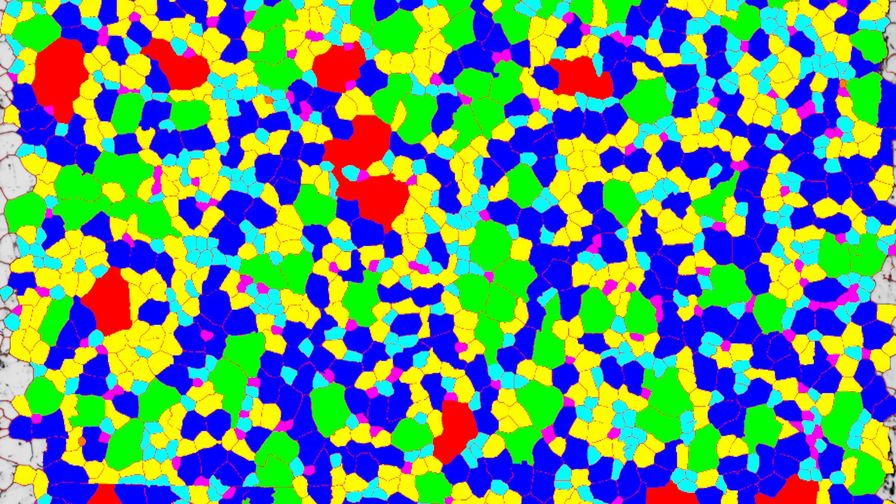
With the range of expert modules available for the Leica Application Suite X for Industry software, users can gain insights faster when performing material science analysis. Modules include LAS X Grain Expert, Phase Expert, Metallography Toolbox, and 2D Measurement.

Precision with comfort

The ergonomic, high-quality microscopy solutions with modular systems help users inspect a broad range of materials with precise measurement and detailed analysis without compromising user comfort.
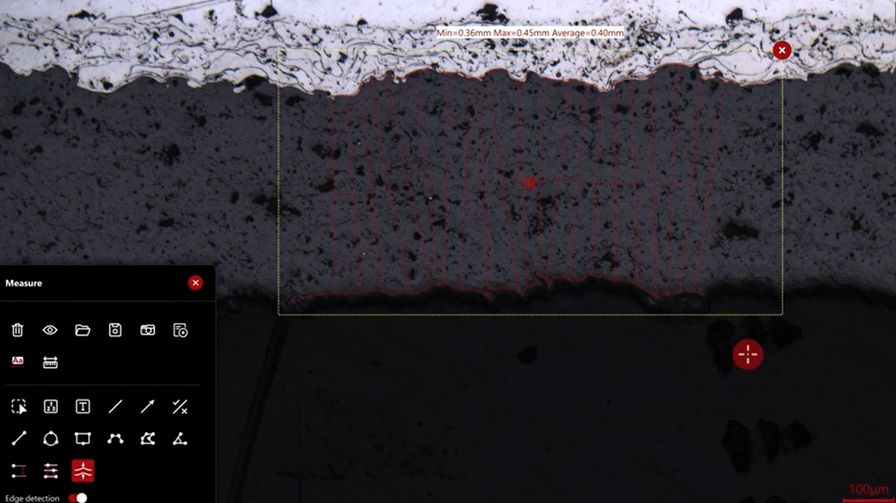
Accurately measure thickness of coatings or sediments

Measure coating, film, or layer thicknesses on materials, multilayer composites, and minerals or sediment materials with the Layer Thickness feature of the Enersight software. Users can detect layer boundaries based on contrast or color, automatically draw intercept lines and determine the min, max, and average layer thickness.

Our Solutions for Material Science


DM 750 P

Visoria M & P

DM4 M & P

DM6 M LIBS

DMi8 A

NosepieceManualCodedCodedMotorizedCoded
Contrast MethodsManualCodedMotorizedMotorizedMotorized
Illumination ManagementNot AvailableAvailableAvailableAvailableAvailable
Supported Contrast MethodsIL: BF, DF, Pol, (Fluorescence)
TL: BF, DF, Phase, Pol
IL: BF, DF, Pol, DIC, Oblique (Fluorescence)
TL: BF, DF, Phase, DIC, Pol
IL: BF, DF, Pol, DIC, (Fluorescence)
TL: BF, DF, Phase, DIC, Pol
IL: BF, DF, Pol, DIC, (Fluorescence)
TL: BF, DF, Phase, DIC, Pol
IL: BF, DF, Pol, DIC, (Fluorescence)
TL: BF, DF, Phase, DIC, Pol
Z-driveManualManualManual/MotorizedMotorizedMotorized
Rotating StageManualManualManualManualMotorized
Supported SoftwareLAS X IndustryEnersight / LAS X Industry*LAS X IndustryLAS X IndustryLAS X Industry

* LAS X Industry has limited device support for Visoria M & P

Related Articles
Read our latest articles about Material Science & Analysis

The knowledge portal of Leica Microsystems offers scientific research and teaching material on the subjects of microscopy. The content is designed to support beginners, experienced practitioners and scientists alike in their everyday work and experiments.

More Articles
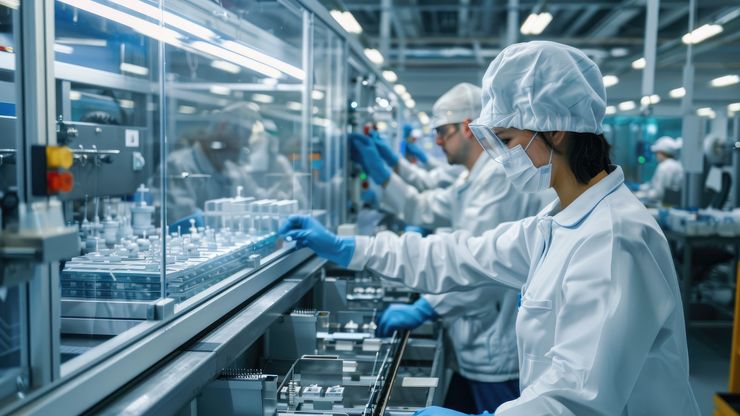
Quality assurance during production in a manufacturing plant.

Quality Assurance Improvement Across Industries

Precision is paramount. Imagine a pacemaker that fails mid-operation or a semiconductor flaw that causes a critical system crash. In industries, such as medical devices, electronics, and…
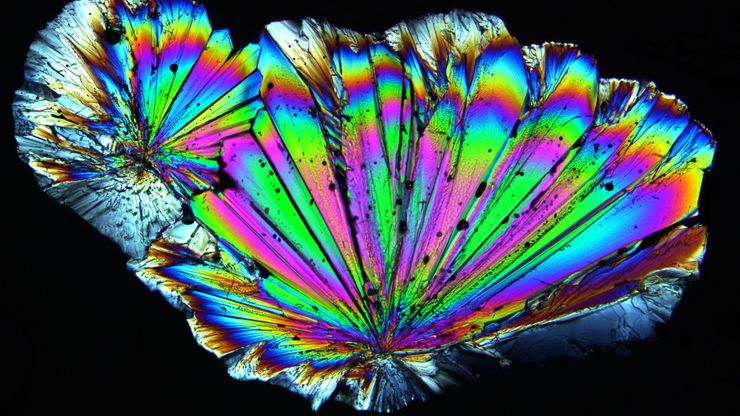
Radially grown sugar crystals which have been imaged with a Leica microscope using circular polarized light.

Polarizing Microscope Image Gallery

How polarization microscope images can be used for analysis is shown in this gallery. Polarized light microscopy (also known as polarizing microscopy) is an important method for different fields and…
Spherulitic crystals of hippuric acid, a carboxylic acid found in urine, imaged with crossed polarizers showing so-called Maltese crosses. Spherulitic structures are formed by radial crystal growth starting from a central crystal nucleus. Image recorded with a DM4 P microscope using transmitted light, 20x Plan Fluotar objective, and polarizers.

A Guide to Polarized Light Microscopy

Polarized light microscopy (POL) enhances contrast in birefringent materials and is used in geology, biology, and materials science to study minerals, crystals, fibers, and plant cell walls.
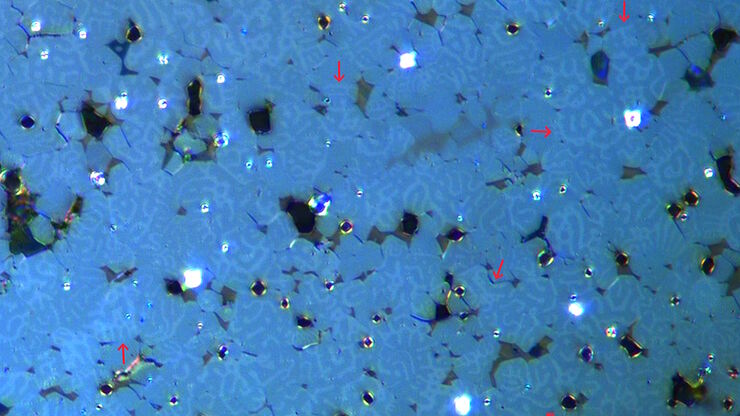
Image of magnetic steel taken with a 100x objective using Kerr microscopy. The magnetic domains in the grains appear in the image with lighter and darker patterns. A few domains are marked with red arrows. Courtesy of Florian Lang-Melzian, Robert Bosch GmbH, Germany.

Rapidly Visualizing Magnetic Domains in Steel with Kerr Microscopy

The rotation of polarized light after interaction with magnetic domains in a material, known as the Kerr effect, enables the investigation of magnetized samples with Kerr microscopy. It allows rapid…
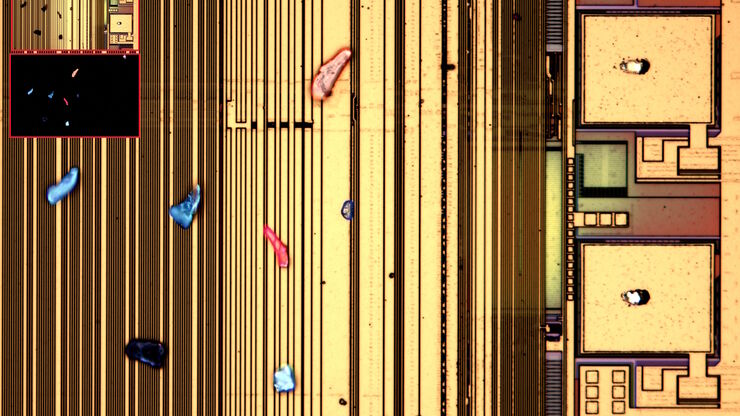
Optical microscope image, which is a composition of both brightfield and fluorescence illumination, showing organic contamination on a wafer surface. The inset images in the upper left corner show the brightfield image (above) and fluorescence image (below with dark background).

Visualizing Photoresist Residue and Organic Contamination on Wafers
As the scale of integrated circuits (ICs) on semiconductors passes below 10 nm, efficient detection of organic contamination, like photoresist residue, and defects during wafer inspection is becoming…

Workflow Solutions for Sample Preparation Methods for Material Science

This brochure presents and explains appropriate workflow solutions for the most frequently required sample preparation methods for material science samples.
Particles observed on the surface of a particle trap which could be used for technical cleanliness during battery production.

Battery Particle Detection During the Production Process

How battery particle detection and analysis is enhanced with optical microscopy and laser spectroscopy for rapid, reliable, and cost-effective QC during battery production is explained in this…
Particulate contamination in between moving metal plates.

Key Factors for Efficient Cleanliness Analysis
An overview of the key factors necessary for technical cleanliness and efficient cleanliness analysis concerning automotive and electronics manufacturing and production is provided in this article.

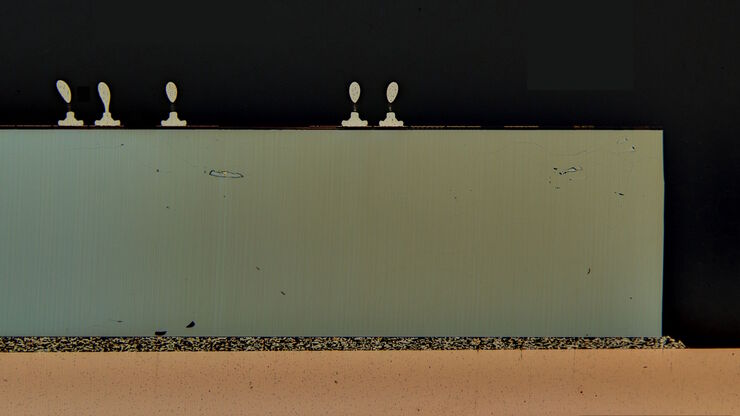
Quality Control via Cross Sections of PCBs, PCBAs, ICs, and Batteries
Why cross sections of printed circuit boards (PCBs) and assemblies (PCBAs), integrated circuits (ICs), and battery components are useful for quality control (QC), failure analysis (FA), and research…
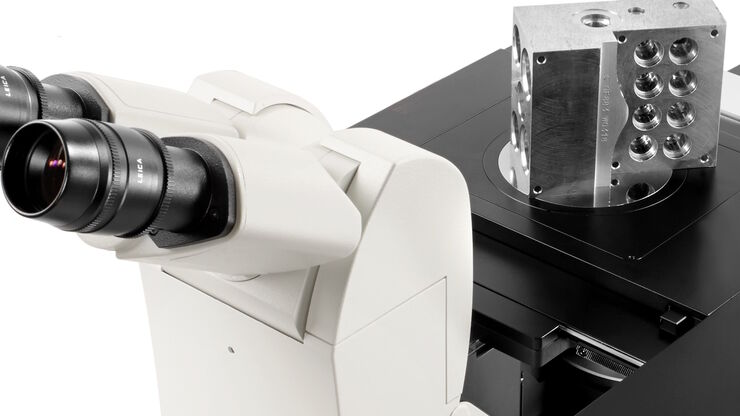
Material sample with a large height, size, and weight being observed with an inverted microscope.

Five Inverted-Microscope Advantages for Industrial Applications

With inverted microscopes, you look at samples from below since their optics are placed under the sample, with upright microscopes you look at samples from above. Traditionally, inverted microscopes…
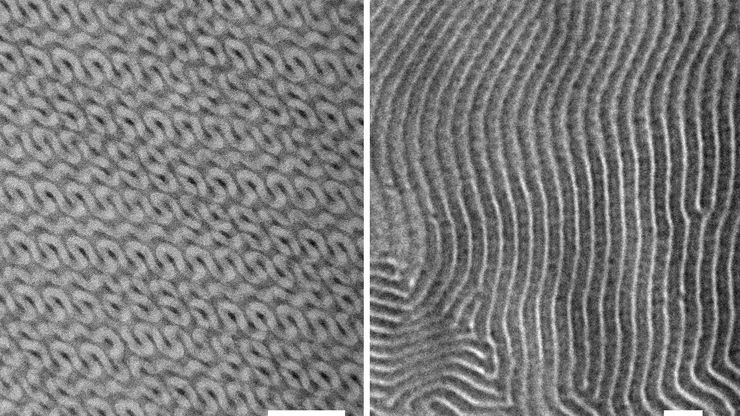
Acrylonitrile butadiene styrene (ABS) stained with osmium tetroxide (OsO4), sectioned with a DIATOME diamond knife at room temperature, and then imaged with HAADF TEM.

Ultramicrotomy Techniques for Materials Sectioning
Learn about ultramicrotomy for materials sectioning when investigating polymers and brittle materials with transmission (TEM) or scanning electron microscopy (SEM) or atomic force microscopy.
Image of an integrated-circuit (IC) chip cross section acquired at higher magnification showing a region of interest.

Structural and Chemical Analysis of IC-Chip Cross Sections

This article shows how electronic IC-chip cross sections can be efficiently and reliably prepared and then analyzed, both visually and chemically at the microscale, with the EM TXP and DM6 M LIBS

How to Prepare and Analyse Battery Samples with Electron Microscopy

This workshop covers the sample preparation process for lithium and novel battery sample analysis, as well as other semiconductor samples requiring high-resolution cross-section imaging.
Electric car or EV car charging in station. Eco-friendly alternative energy concept.

Alternative Fuels and Why Sustainable Solutions are Important

This free on-demand webinar is about the role of alternative fuel vehicles and why sustainable solutions are of increasing importance to the automotive industry.
Electric car - generic 3d rendering

Technical Cleanliness in the Automotive Industry for Electromobility

This free on-demand webinar covers the increasing focus on technical cleanliness in the automotive industry for electromobility and the VDA 19.1 revision.

3 Factors Determine the Damage Potential of Particles

This article discusses the 3 factors for determining the potential of a particle to cause damage to parts and components in the automotive and electronic industry. These factors include the…
The various solutions from Leica Microsystems for cleanliness analysis.

Factors to Consider for a Cleanliness Analysis Solution

Choosing the right cleanliness analysis solution is important for optimal quality control. This article discusses the important factors that should be taken into account to find the solution that best…
Type of contamination: spores

Cleanliness Analysis for Particulate Contamination

Devices, products, and their components fabricated in many industries can be quite sensitive to contamination and, as a result, have stringent requirements for technical cleanliness. Measurement…

Frequently Asked Questions Material Science & Analysis

Show answer What is material science?

Material science is the study of the structure, properties, performance, and processing of materials, including metals, ceramics, polymers, and composites. It focuses on understanding how the composition and structure of materials affect their behavior in different environments.

Show answer What is a 2-methods-in-1 material analysis solution?

A 2-methods-in-1 material analysis solution or LIBS microscope combines optics and laser induced breakdown spectroscopy (LIBS) for simultaneous visual and chemical analysis of materials. 

Show answer What is LIBS or laser induced breakdown spectroscopy?

LIBS is a elemental/chemical analysis technique. Material composition analysis can be done with it in the following way. First, a high energy laser pulse strikes an area of the analyzed material. The laser energy is absorbed leading to ablation and the formation of a crater. A plasma of free atoms and electrons results. Plasma breakdown occurs immediately with the emission of elemental line spectra. The elements present in the area struck by the laser can then be identified.

Show answer What is material analysis?

Material analysis is done to determine the physical and chemical properties of materials. Examples include metal alloys like steel and aluminum, ceramics like glass and silicon, plastics and polymers, minerals and geological samples, etc. It is often used for material and earth science as well as industrial quality control, production, failure analysis, and research and development.
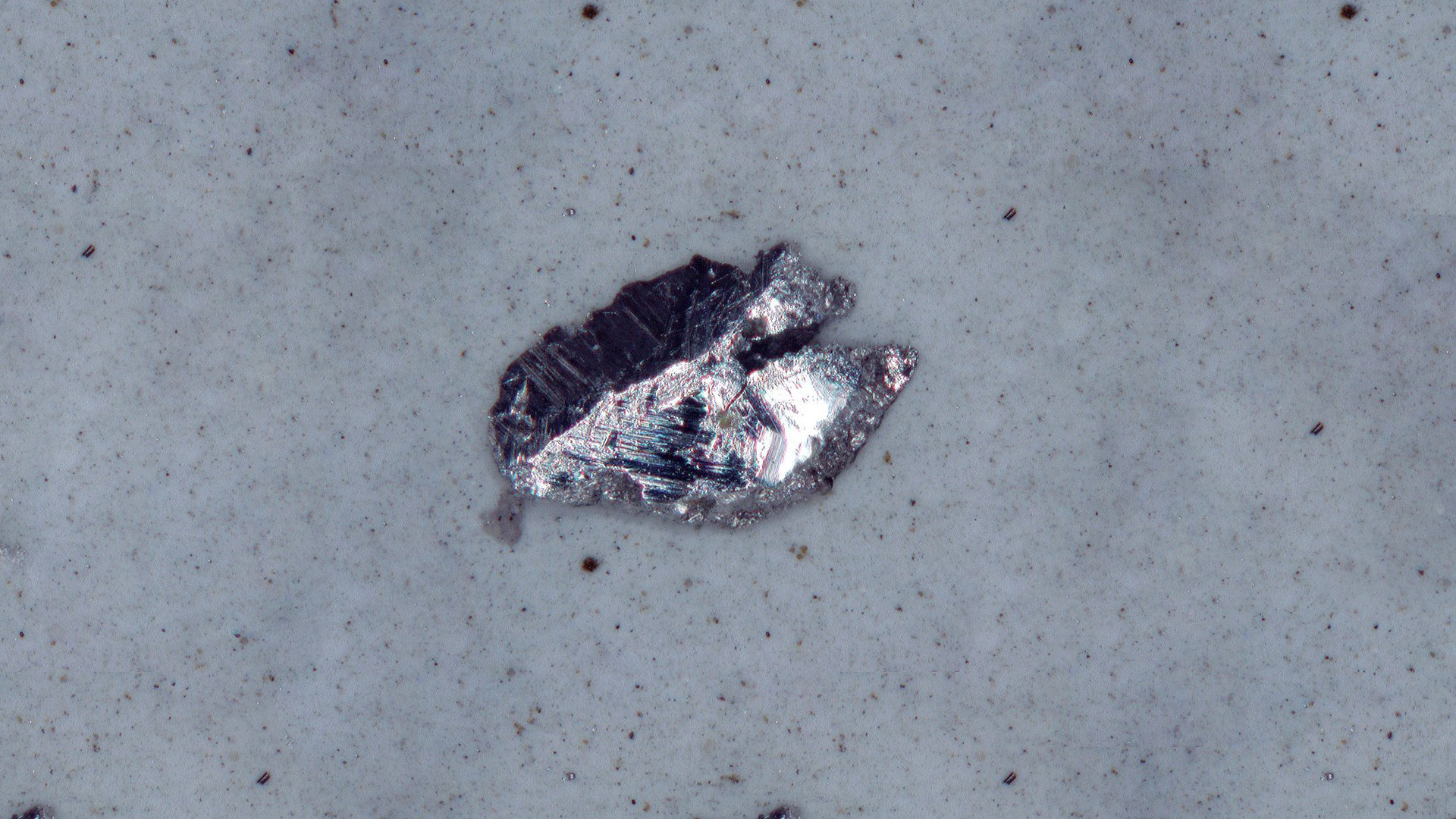
Technical Cleanliness Analysis

Cleanliness analysis is key for assuring product quality and performance in the automotive and electronics industries. A  material analysis microscope solution is critical for cleanliness analysis and the characterization of particulate contamination. Obtaining also the composition information makes the identification of particles and then finding the source of contamination even more efficient.

Read More

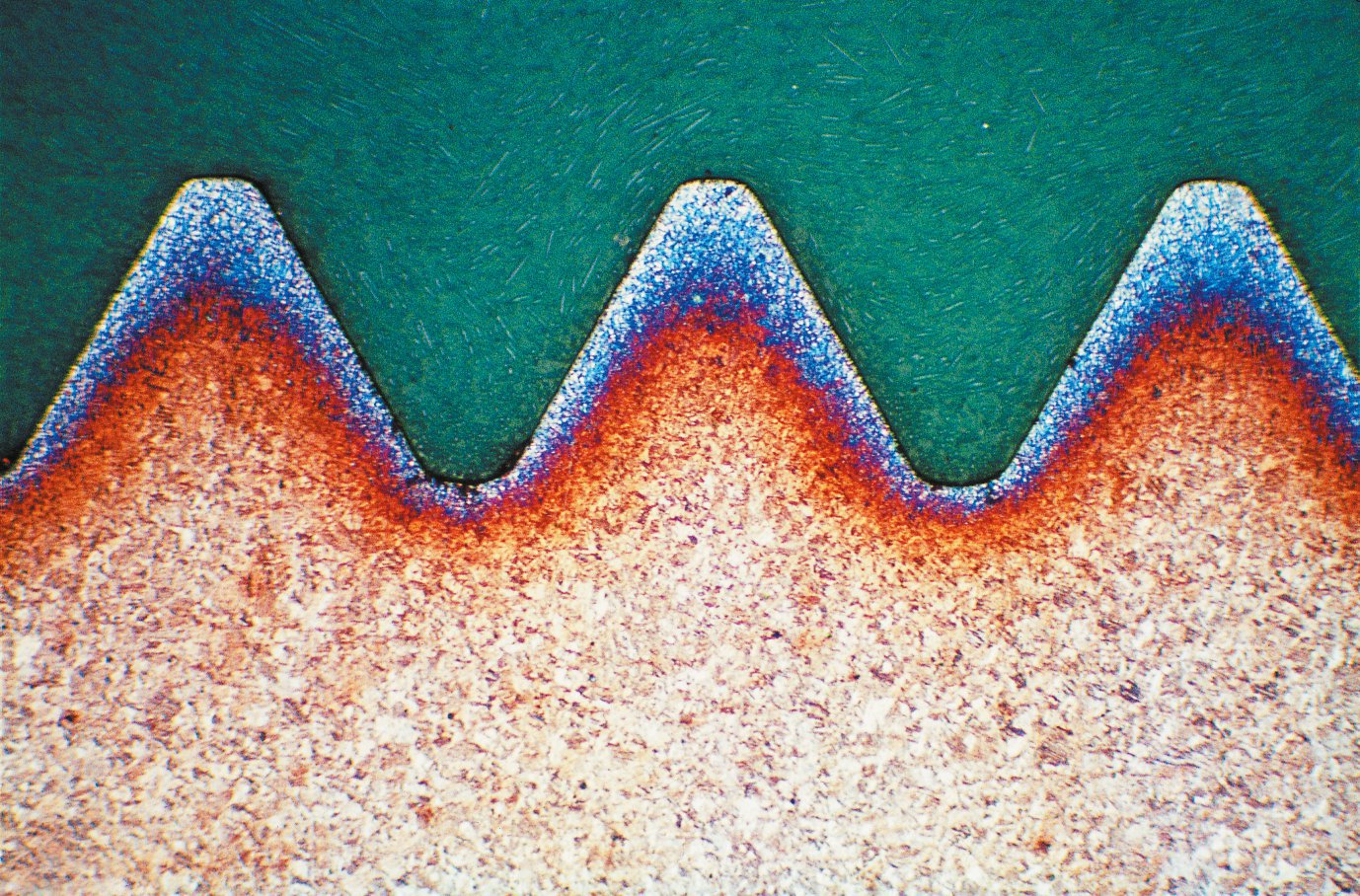
Metallography and Metallurgy

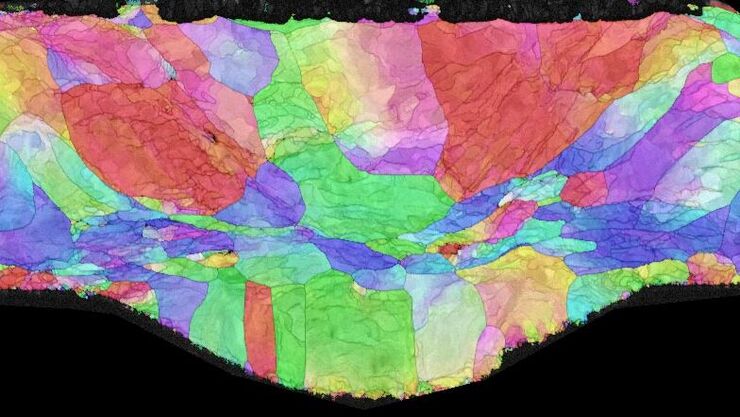
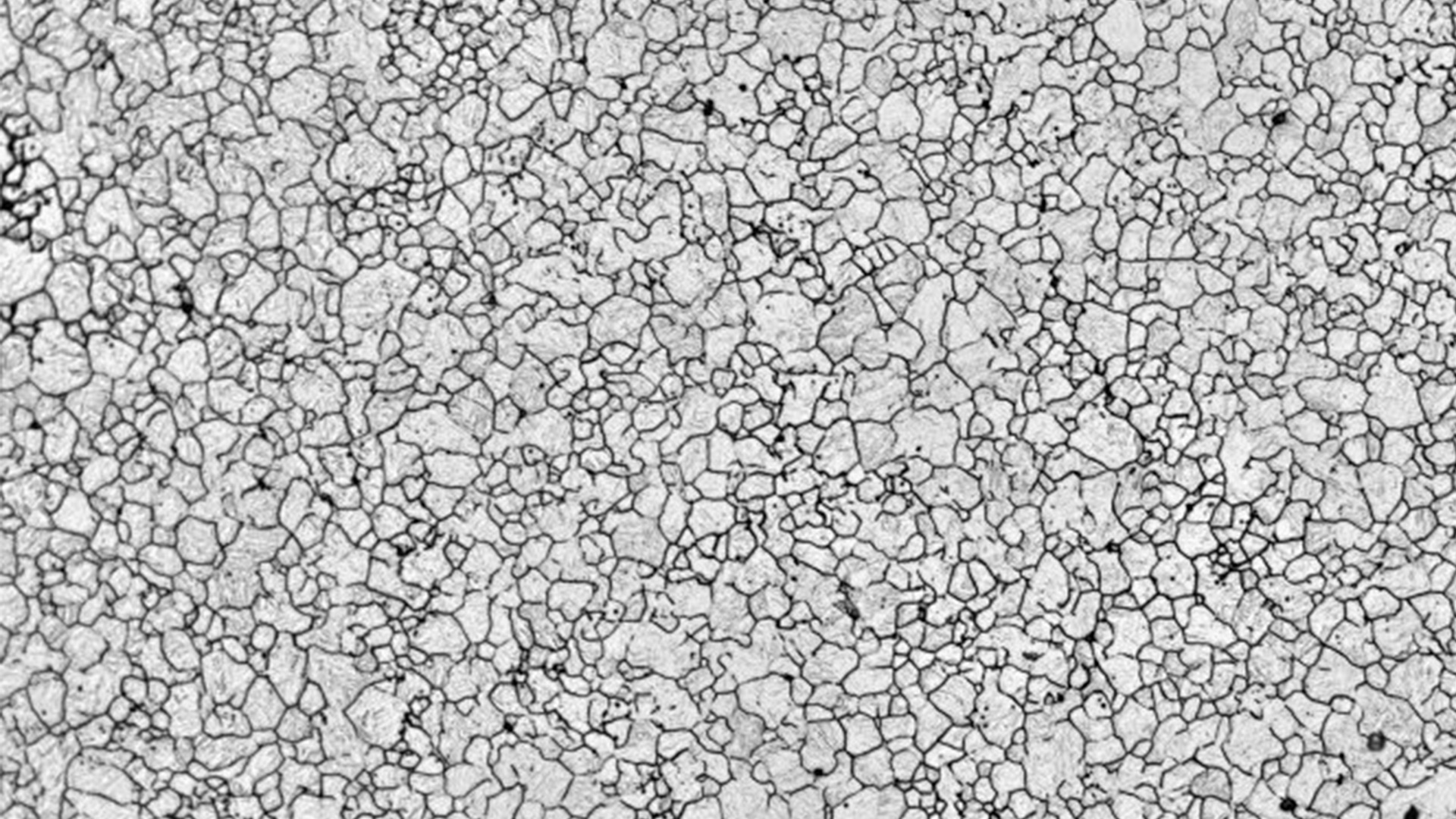
From the examination of non-metallic inclusions in steel to grain and phase analysis needs, high-performance microscopes for materials analysis help manufacturers develop rapidly and reliability alloys with the desired properties. Flexible and affordable materials analysis microscope solutions lower costs via efficient acquisition of statistically meaningful data for continuous optimization of workflows and production processes.

Read More

Art Conservation

Combined with digital camera technology and image analysis software, Leica Microsystems’ art conservation microscope solutions are designed for the different fields of activity of restorers, art historians, archaeologists and experts in conservation workshops and museums.

Read More

Rating Steel Quality

Foreign substances in steel, known as non-metallic inclusions, disrupt the homogeneity of the microstructure. They can have considerable influence on the steel’s mechanical properties, affecting performance and lifetime. Therefore, rating the inclusions is important for evaluating steel quality.

Read More

Scroll to top