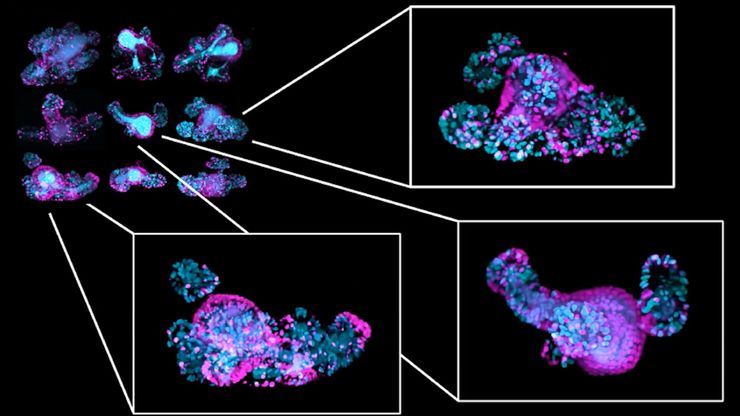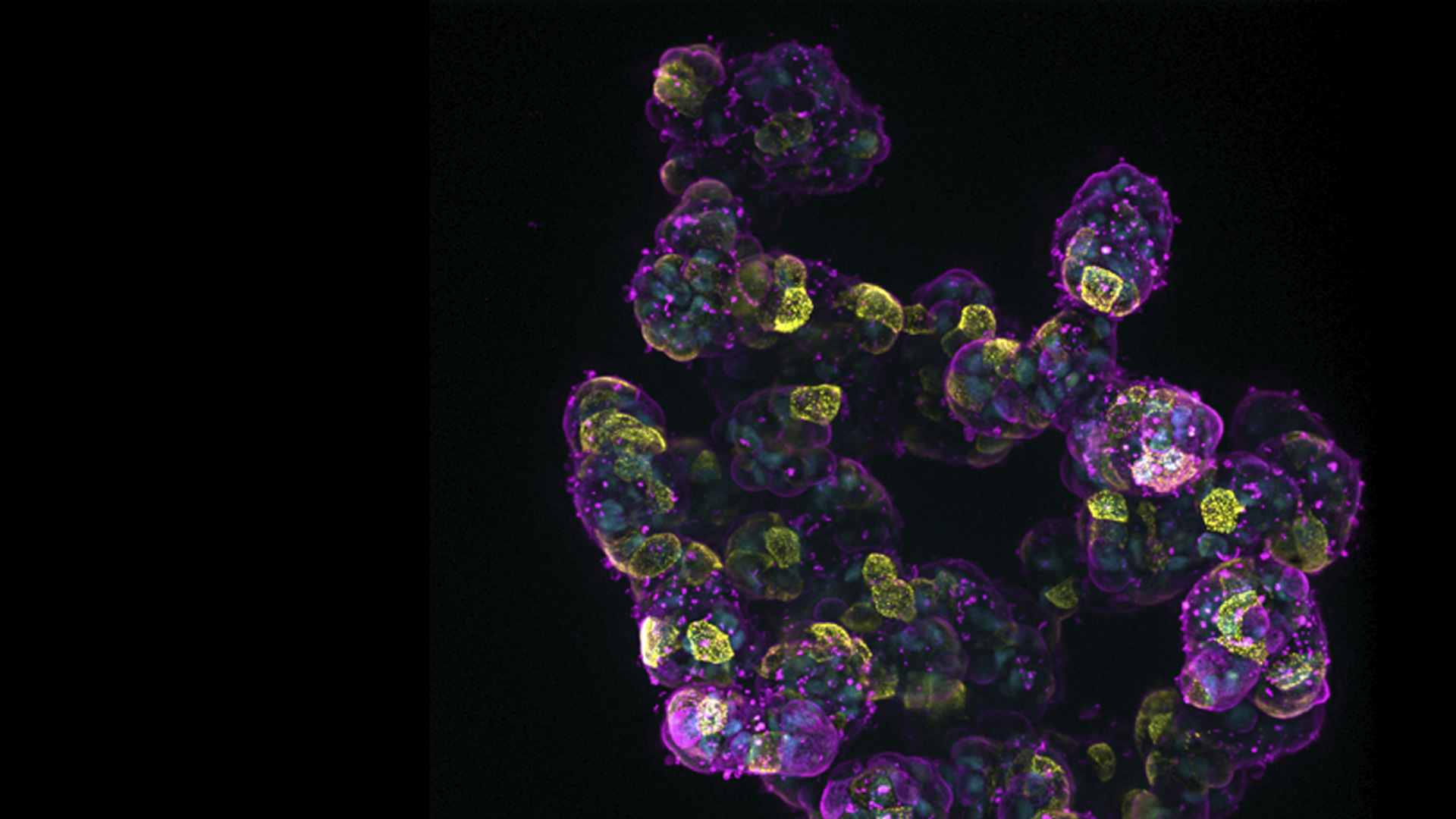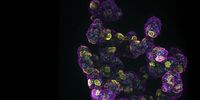
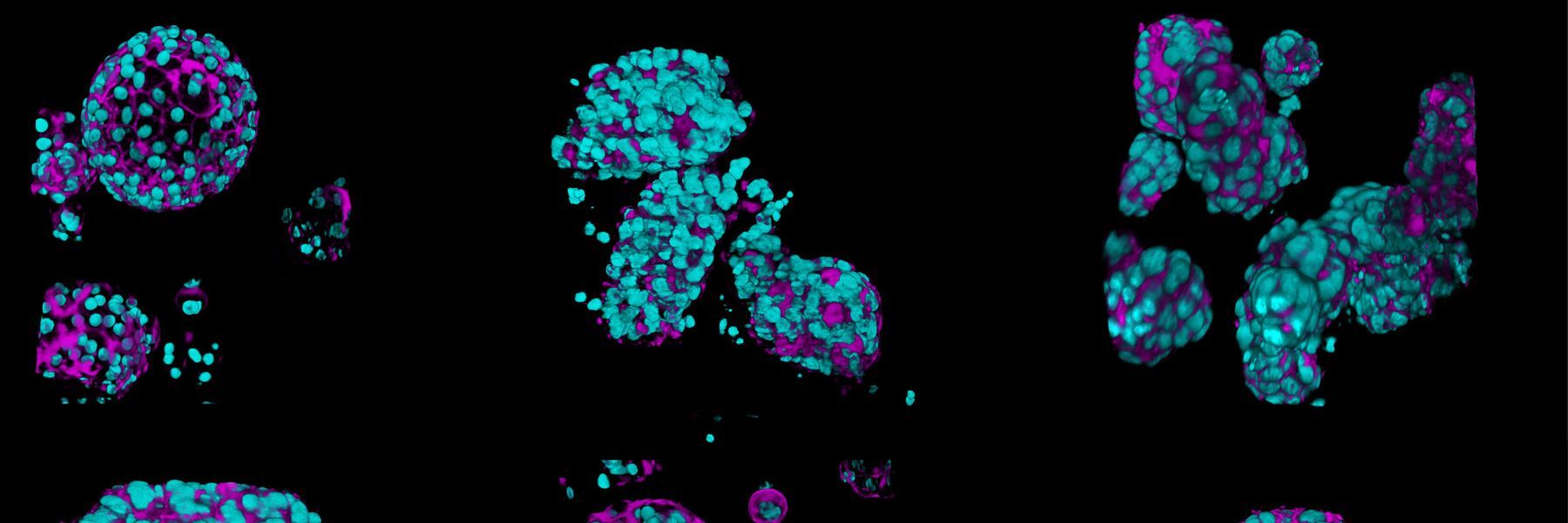
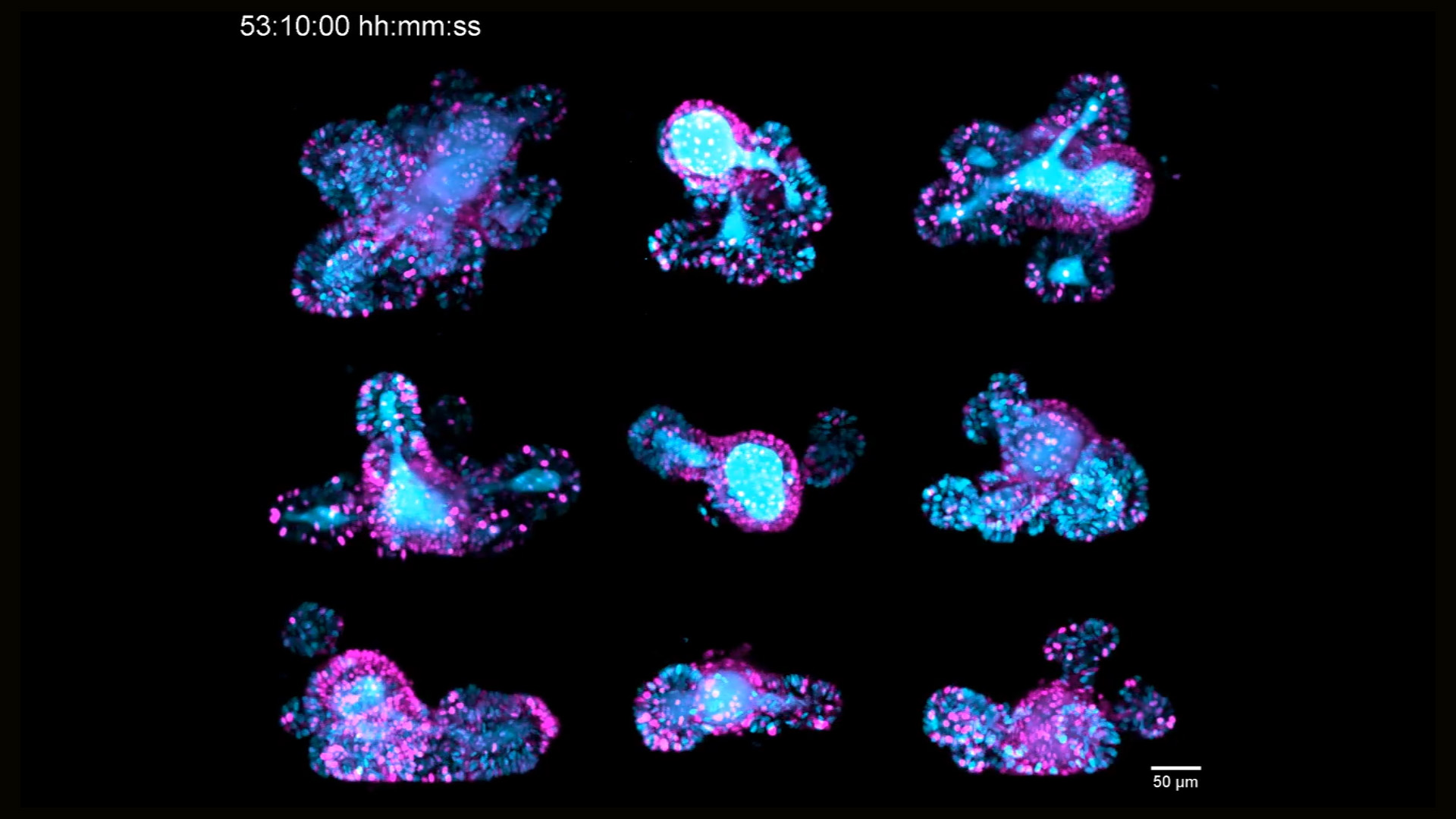
Patient-derived neuroendocrine tumor organoids labelled with DAPI (cyan), beta-catenin (yellow) and phalloidin (magenta), acquired using Viventis SCAPE; scale bar 50 µm. Sample courtesy of Marina Cuenca and Heleen Jungen, Dayton lab, EMBL Barcelona.

Structure and Physiology of Organoids and 3D Cell Culture

3D models range from simple multicellular cultures to complex models like organoids, which better mimic human tissues, enabling investigation of disease mechanisms and drug responses. Leica Microsystems provides precise, gentle, scalable solutions across 3D imaging workflows – from acquisition to analysis.

Simply get in touch!

Our experts on solutions for Physiology of Organoids and 3D Cell Culture are happy to help you with their advice.
How can detailed structural analysis of organoids be achieved?

Using high‑resolution confocal imaging and light sheet microscopy, researchers can visualize and quantify intricate structures and details deep inside organoids and 3D cell cultures over time. Cleared sample imaging further helps visualize complex structures while 3D multiplexing enables parallel imaging of multiple cell types to better understand spatial relationships.

How can functional imaging reveal different aspects of organoid biology?

Functional imaging approaches such as FLIM and FRET based fluorescence lifetime imaging enable real time measurement of cellular processes in organoids, including protein interactions and signaling dynamics. These provide deeper insights into organoid biology, particularly when given spatial context by combining with structural imaging.

How can live cell dynamics be imaged in organoids and 3D cultures?

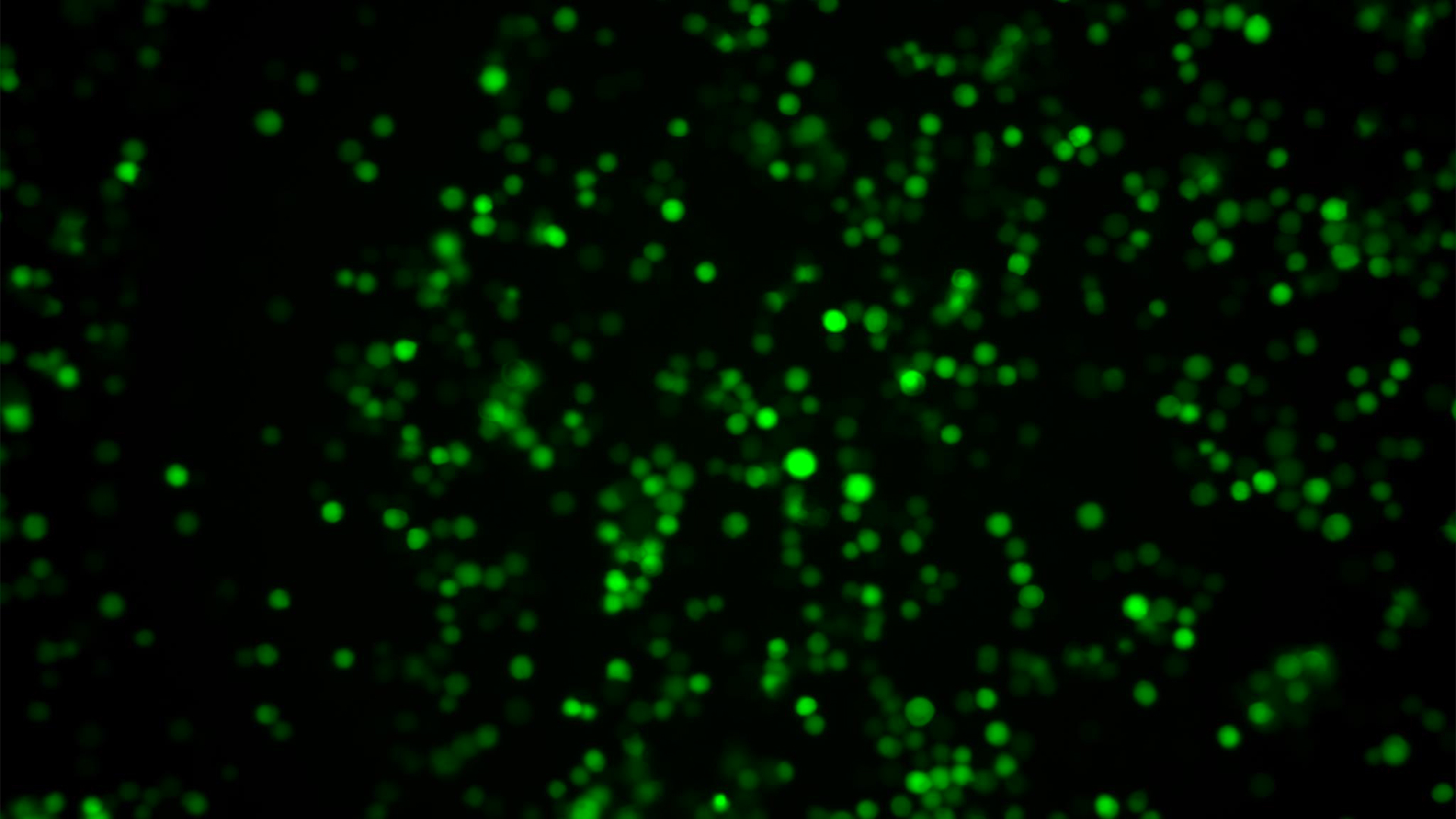
Imaging techniques such as advanced widefield, spinning disk confocal and light sheet microscopy enable real-time observation of live cells within 3D cultures. Fast, gentle imaging under physiologically-relevant conditions is essential to preserve cellular function, helping researchers study cellular dynamics and interactions and better understand native biological processes.

What are the advantages of Leica solutions for examining organoid structure and physiology?

Precise, high-resolution structural and functional imaging

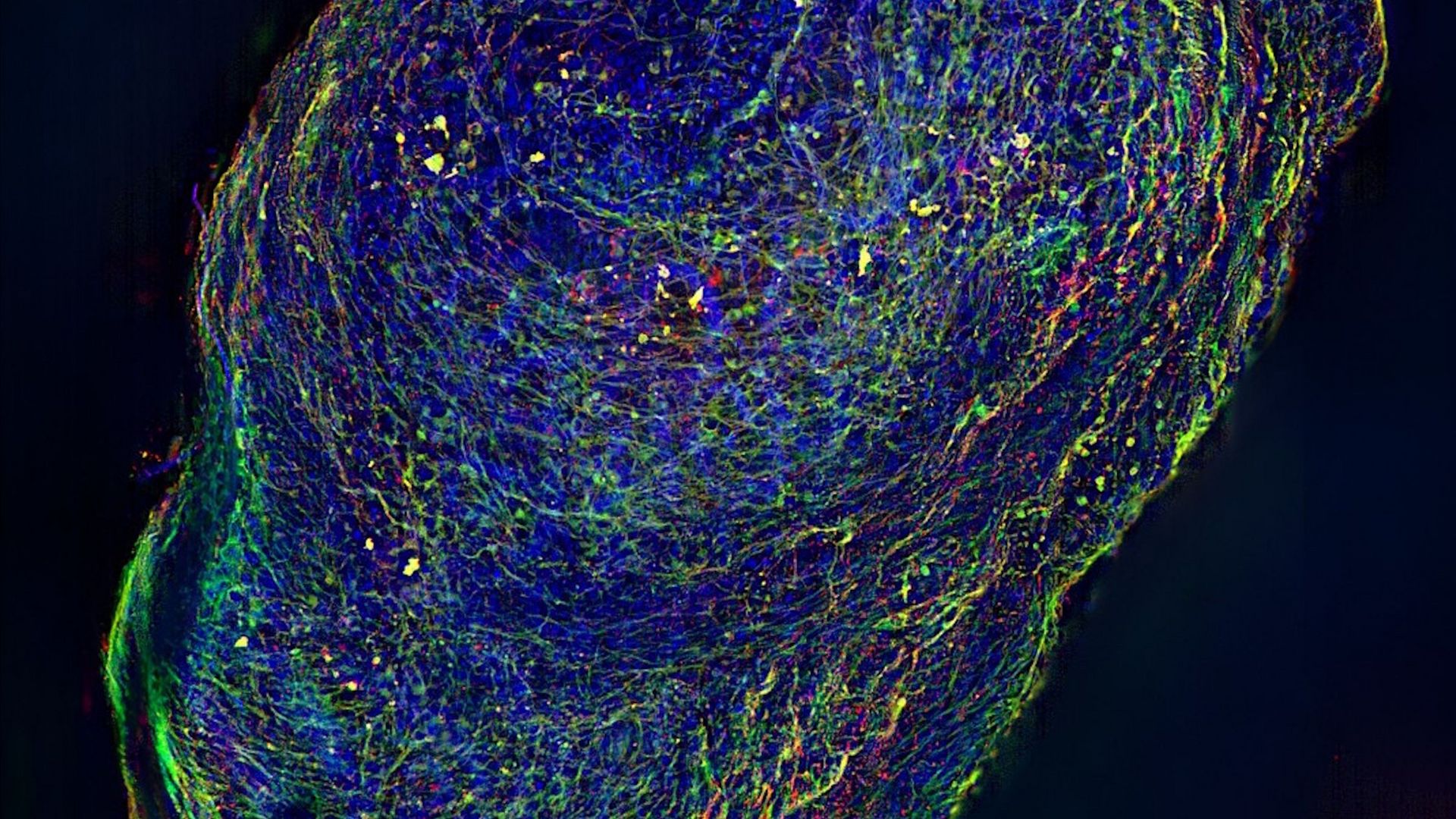
Complementary imaging approaches from Leica Microsystems enable detailed visualization of structures and processes deep within organoids. THUNDER Imager Cell Spinning Disk enables high speed, versatile imaging; the STELLARIS confocal microscope platform provides high resolution, multi modal flexibility; and Viventis Deep enables fast, gentle light sheet imaging of live and cleared samples over time.

Gentle live cell imaging to reduce photodamage

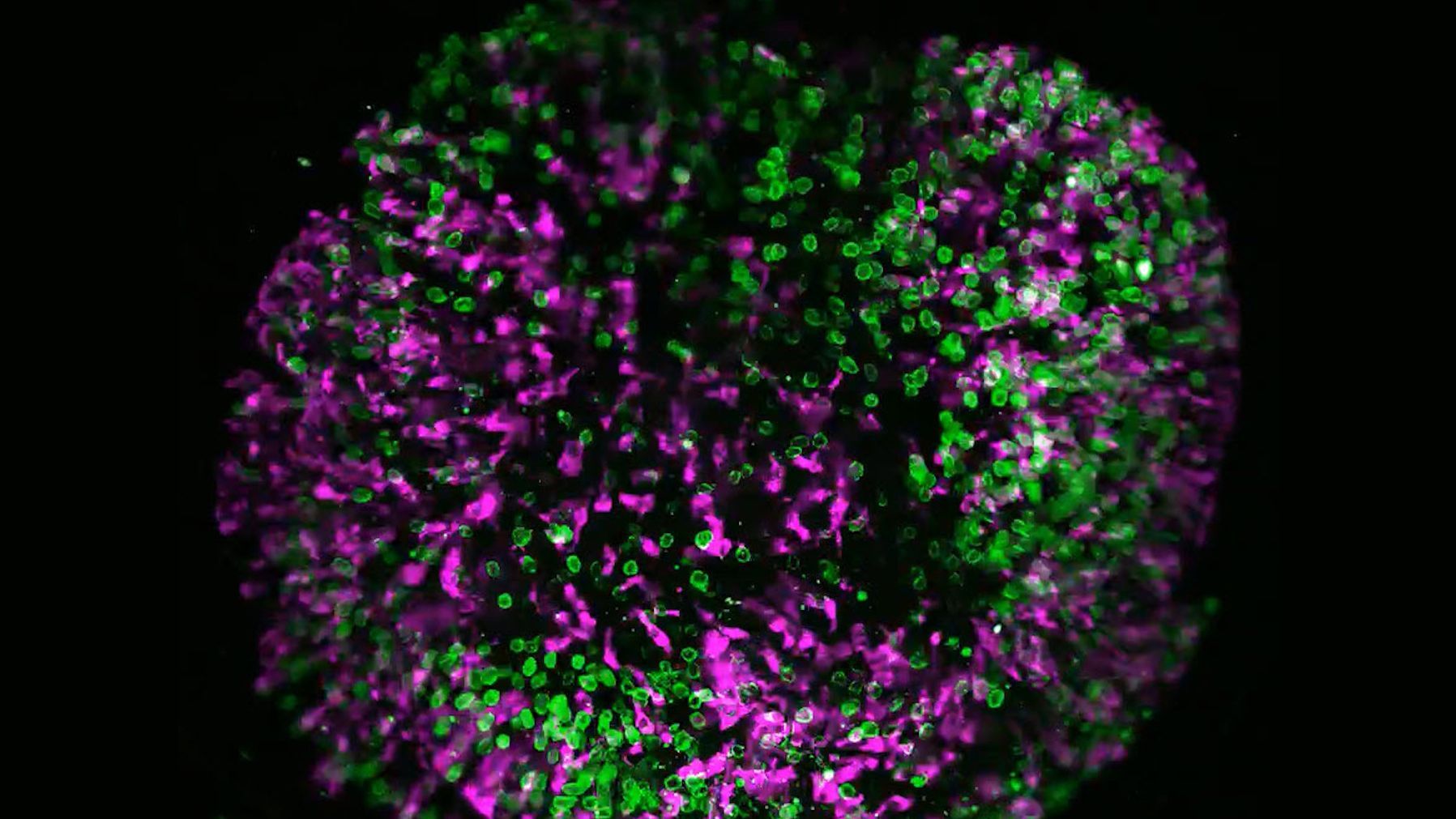
Light sheet microscopy enables gentle imaging of sensitive organoids and fast biological processes. By minimizing phototoxicity and photobleaching, Viventis Deep and Viventis SCAPE deliver gentle, long‑term, rapid volumetric imaging. With THUNDER Imager Cell Spinning Disk, diverse samples can be imaged at high-speed and high-resolution, with reduced phototoxicity.

Streamlined organoid imaging workflows

Monitor cell culture growth with a Mateo FL digital fluorescence microscope. Then pre‑screen organoids with THUNDER Imager Cell Spinning Disk before using Viventis light sheet microscopy for long‑term, gentle volumetric imaging. Complement with high‑resolution, high multiplex imaging using STELLARIS confocal microscopy. Then gain deeper insights with Aivia AI‑driven image analysis.

Advanced AI-powered analysis

Aivia software offers a complete AI-based image analysis workflow from deep-learning cell segmentation to automatic phenotyping and data exploration in 3D samples. When using thick or highly scattering specimens, Aivia can be combined with THUNDER computational clearing technology, which removes out-of-focus-blur and gives cleaner data, resulting in better segmentation.

Frequently asked questions about Structure and Physiology of Organoids and 3D Cell Culture

Show answer What are 3D cell cultures?

3D cell cultures are systems where cells grow in three dimensions. Advanced models such as organoids can better mimic the structure and function of tissues in the body compared to traditional 2D cultures. 3D cell culture can range from simple multicellular structures such as kidney cell domes, through spheroids, to more complex structures such as organoids and assembloids.

Show answer What is the difference between organoids and spheroids?

Spheroids are simple clusters of broad-ranging cells that don't require a scaffolding to form 3D cultures and can't self-assemble or regenerate. Organoids are complex clusters of organ-specific cells, typically derived from primary tissue or grown in vitro from stem cells. They can self-assemble when given a scaffolding extracellular environment and represent the architecture and metabolism of their tissue of origin more closely than spheroids.

Show answer What are assembloids?

Assembloids are used to study interactions between organoids from different tissues, or to study co-cultures between organoids and different cell types such as T-cells or macrophages.

Show answer Why is imaging important in organoid and 3D cell culture research?

Imaging allows researchers to visualize cellular structures, monitor growth and differentiation, assess viability, and analyze responses to treatments in real time. It’s essential for validating experimental outcomes and gaining insights into complex biological processes.

Show answer What challenges are associated with imaging organoids and 3D cultures?

There are several important considerations for 3D imaging, including:

  • Penetration depth in thick 3D samples
  • Speed of imaging to capture live events
  • Image resolution
  • Maintaining sample viability during live imaging (sensitivity)
  • Long-term volumetric imaging
  • Gentle sample handling of delicate 3D cultures
  • Requirement for non-iterative multiplexing
  • Analyzing large complex image datasets
Show answer What imaging techniques are best for organoids and 3D cultures?

Common techniques include:

  • Light sheet microscopy
  • Confocal laser scanning and spinning disk microscopy
  • Widefield/epifluorescence microscopy
  • Multiphoton microscopy
  • Brightfield and phase contrast microscopy
  • Label-free imaging

Each method offers different advantages in terms of resolution, depth, speed, etc. so it is important to consider the individual application before deciding which approach is best. At Leica Microsystems, our friendly expert team will be happy to assist you with this.

Show answer Why is live cell imaging important in 3D cell culture and organoid research?

Imaging live cells provides insights into how cells behave in a more physiologically relevant way. In organoids and 3D cultures, live imaging helps track development, differentiation, and responses to stimuli or treatments without disrupting the sample.

Show answer How can imaging data from organoids be analyzed?

Advanced image analysis software can quantify features such as cell morphology, proliferation, marker expression, and spatial organization. AI and machine learning tools are increasingly used to automate and enhance analysis.

Show answer What are NAMs?

NAMs (New Approach Methodologies) are non‑animal, human‑relevant research methods used in biomedical research. These methods include advanced technologies such as organoids, organ‑on‑a‑chip systems, and in‑vitro human cell models, often combined with computational or AI‑based analysis. They aim to improve biological relevance and reduce animal use.

Related Articles
Read our latest articles about Physiology of Organoids and 3D Cell Culture

The knowledge portal of Leica Microsystems offers scientific research and teaching material on the subjects of microscopy. The content is designed to support beginners, experienced practitioners and scientists alike in their everyday work and experiments.

More Articles

History, Developments and Trends of Microscopy in Cancer Research
Cancer is a global disease, with 18 million new cases diagnosed and 10 million cancer-related deaths worldwide in 2020. This burden is set to increase, with a projected increase in cases of ~55% by…
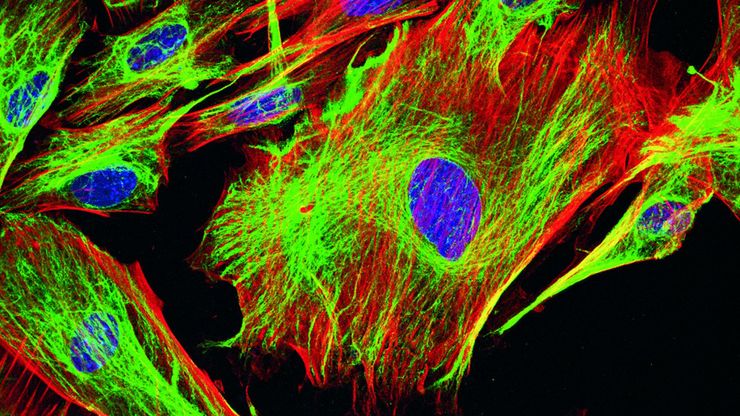
Mouse fibroblasts where F-actin is labelled with FITC (green), tubulin with Cy5 (red), and nuclei with DAPI (blue). Image courtesy of Dr. Günter Giese, Max Planck Institute for Medical Research, Heidelberg, Germany.

Overview of Fluorescent Dyes in terms of Applications and Properties
An introduction to commonly used fluorescent dyes and an overview of their characteristics are given in this article. Fluorescence microscopy is used for the study of specific cellular components with…

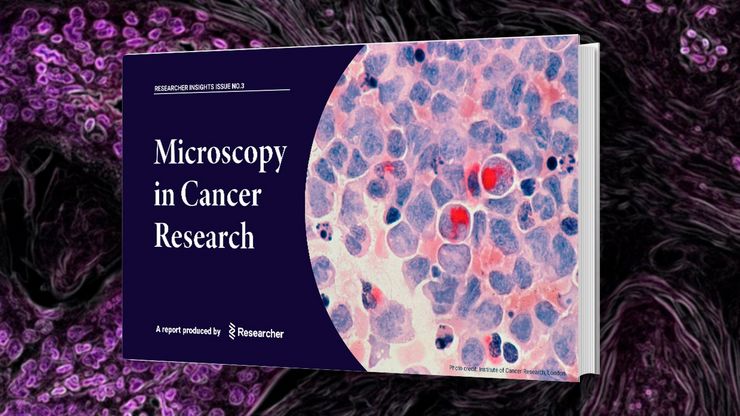
Researchers Insights: Microscopy in Cancer Research
Discover how imaging techniques are driving cancer research forward. In this issue, we present comprehensive multimodal studies using microscopy, as well as new directions in intraoperative cancer…
Electron microscope (EM) image of a cross section of C. elegans (roundworm). Courtesy of T. Müller-Reichert, MPI-CBG, Dresden, Germany and K. McDonald, University of California, Berkeley, USA.

Brief Introduction to High-Pressure Freezing for Cryo-Fixation

Preparation of biological specimens for electron microscopy (EM) often requires cryo-fixation which does not introduce significant structural alterations of cellular constituents. A common method used…
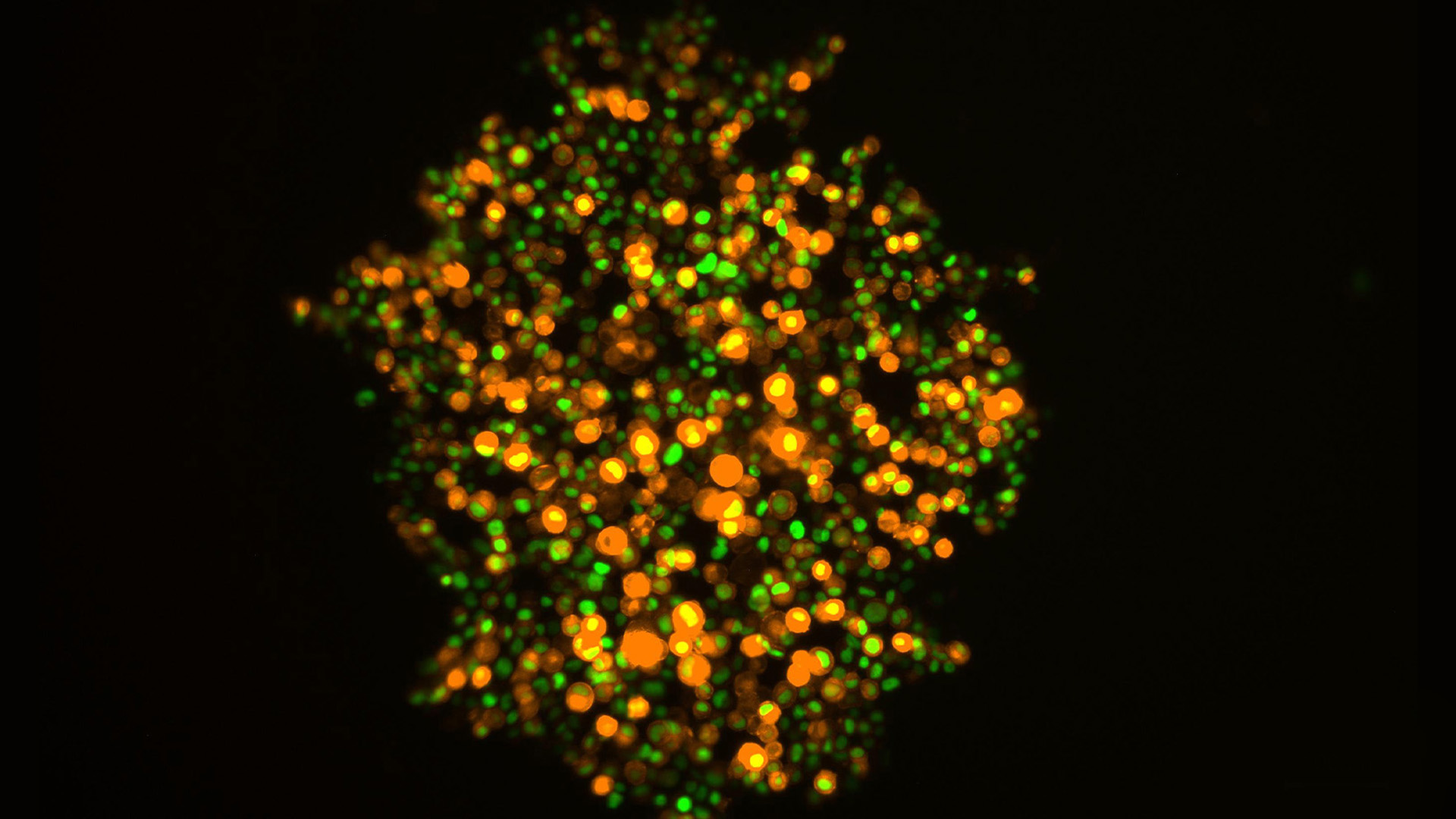
67-hour, multi-position time-lapse of mouse intestinal organoids expressing the cell cycle reporter FUCCI2 (hGem-mVenus and hCdt1-mCherry).

Focus on Long-Term Imaging in 3D with Light Sheet Microscopy

Long-term 3D imaging reveals how complex multicellular systems grow and develop and how cells move and interact over time, unlocking critical insights into development, disease, and regeneration.…
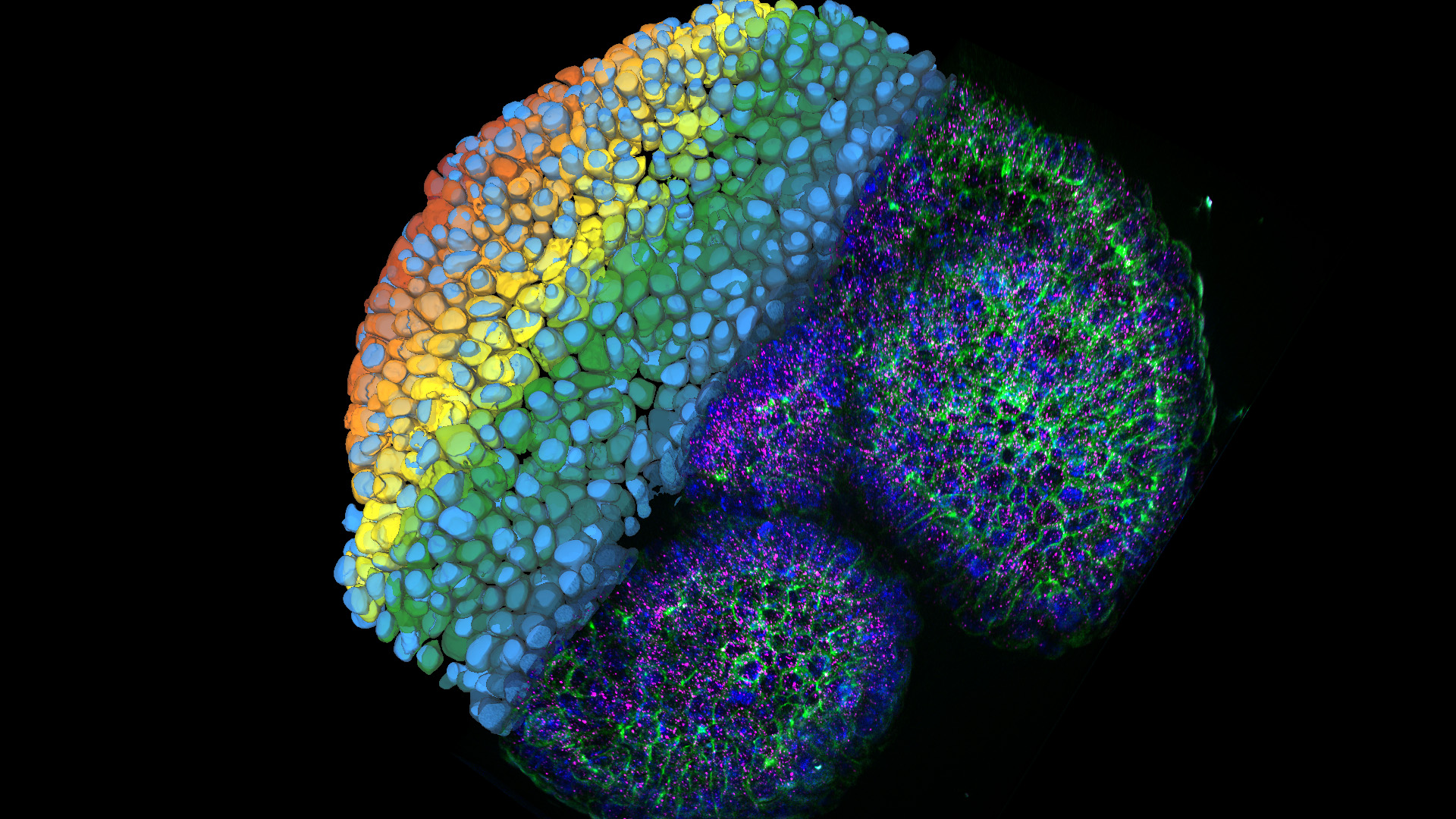
Brain organoid labeled with lamin (green) and tubulin (magenta), acquired using Viventis Deep. Courtesy of Akanksha Jain, Treutlein Lab ETH-DBSSE Basel (Switzerland).

Faster & Deeper Insights into Organoid and Spheroid Models

Gain deeper, more translatable, insights into organoid and spheroid models for drug discovery and disease research by overcoming key imaging challenges. In this eBook, explore advanced microscopy…
Fluorescence microscopy of sectioned tissue, showing the interface between the extensor digitorum longus muscle and the common peroneal nerve in the adult rat. Regenerative peripheral nerve interface (RPNI) at 2 weeks. Image acquired using Mica. Stained for nuclei (blue), neurofilaments (green) and S100B (red). Image courtesy of Dr. Aaron Lee, Department of Bioengineering (Lab of Dr. Rylie Green), Imperial College London.

How to Image Axon Regeneration in Deep Muscle Tissue
This study highlights Dr. Aaron Lee’s research on mapping nerve regeneration in muscle grafts post-amputation. Limb loss often leads to reduced quality of life, not only from tissue loss but also due…
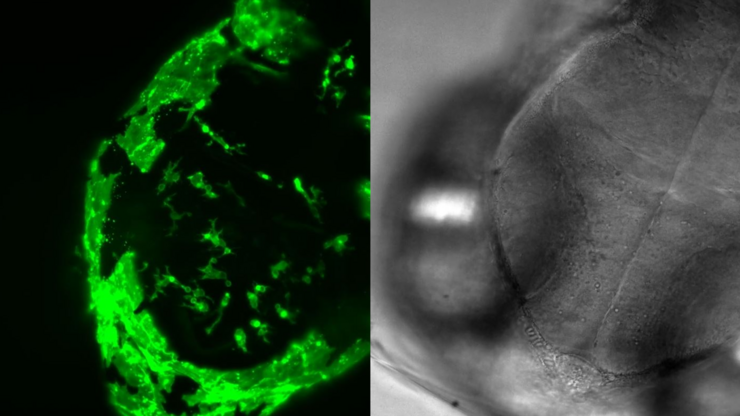
5 hour time-lapse maximum intensity projection of a zebrafish embryo along the z-axis at 3 days post fertilization. Left: microglia cells. Right: bright field channel. Courtesy of Prof. Francesca Peri, University of Zurich, Switzerland.

Capturing Developmental Dynamics in 3D
This application note showcases how the Viventis Deep dual-view light sheet microscope was successfully used by researchers for exploring high-resolution, long-term imaging of 3D multicellular models…

Integrated Serial Sectioning and Cryo-EM Workflows for 3D Biological Imaging

This on-demand webinar explores how integrated tools can support electron microscopy workflows from sample preparation to image analysis. Experts Andreia Pinto, Adrian Boey, and Hoyin Lai present the…
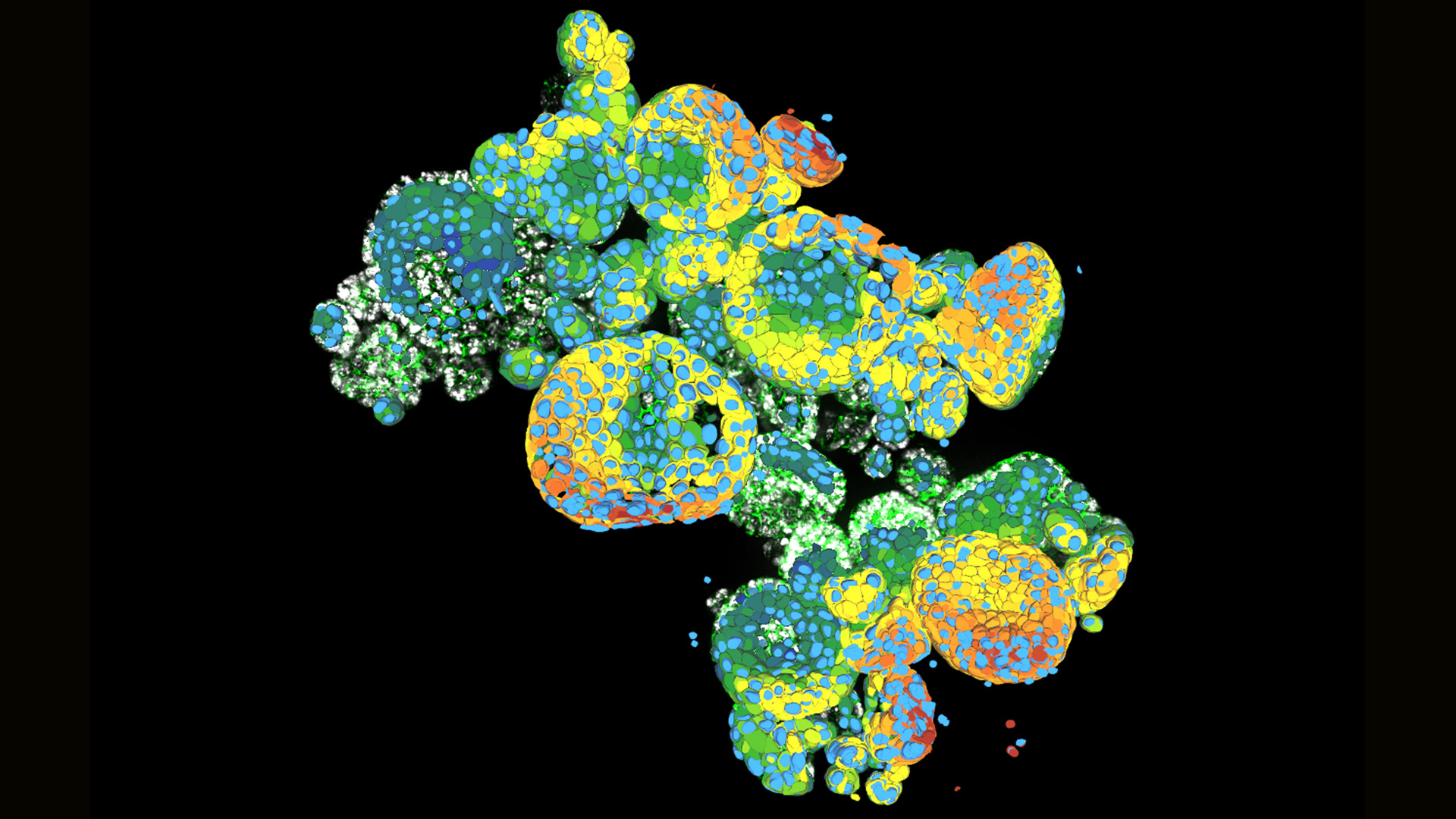
Large volume computational clearing processed Thunder image of human pancreatic islet organoid. Cells segmented using Segment By Example tool, automatically phenotyped, and color-coded based on phenotypes in Aivia. Image courtesy of the Matthias von Herrath Lab, La Jolla Institute of Immunology, La Jolla, CA.

Get to Insights Faster and Easier with AI Image Analysis Tools

Discover how Aivia helps scientists streamline image analysis with fast setup, accurate AI detection, and easy batch processing.

Organoids in New Approach Methodologies

The FDA’s Modernization Act 2.0 aims to reduce reliance on animal models by shifting toward human-relevant systems in preclinical workflows. 

Organoids are increasingly used in new approach methodologies (NAMs) for biomedical research and drug discovery.

Benefits of organoids include: 

  • Lower cost than animal models
  • Higher scalability for faster results
  • Less ethical constraints
  • More accurate, predictive insights
  • Fewer official licenses required

Organoids play an important role in our work, allowing us to model tumors in 3D and explore behaviors of engineered T cells in a way that’s both meaningful and patient specific. Imaging is central to this as we aim to understand how cancer and immune cells communicate at their most intricate level, where every cell, structure, and interaction within a tumor can be visualized, understood, and ultimately targeted.

We use advanced microscopy platforms from Leica Microsystems to explore cellular dynamics and spatial interactions. These include STELLARIS 8 FALCON FLIM with SpectraPlex, STELLARIS White Light Laser, THUNDER Imagers, and many other stereo-, upright-, and inverted cell culture microscopes. We also rely on Aivia software for AI image analysis.
Prof. Dr Anne Rios (Principal Investigator) and Dr Ravian van Ineveld (Postdoc / Manager Imaging Center), DREAM3D Lab, Princess Máxima Center for Pediatric Oncology, Utrecht, Netherlands

Prof. Dr Anne Rios (Principal Investigator) and Dr Ravian van Ineveld (Postdoc / Manager Imaging Center), DREAM3D Lab, Princess Máxima Center for Pediatric Oncology, Utrecht, Netherlands

67-hour, multi-position time-lapse of mouse intestinal organoids expressing the cell cycle reporter FUCCI2 (hGem-mVenus and hCdt1-mCherry), acquired using Viventis Deep.

Mouse intestinal organoid time-lapse (FUCCI2).

67-hour, multi-position time-lapse of mouse intestinal organoids expressing the cell cycle reporter FUCCI2 (hGem-mVenus and hCdt1-mCherry), acquired using Viventis Deep.

Moos, F., Suppinger, S., de Medeiros, G. et al. Open-top multisample dual-view light-sheet microscope for live imaging of large multicellular systems. Nat Methods 21, 798–803 (2024).

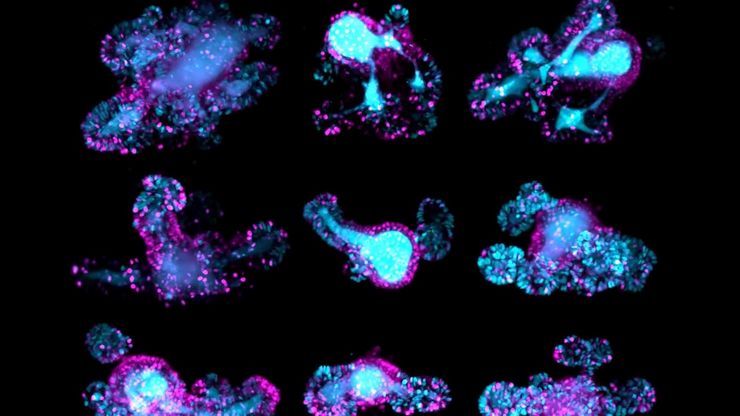
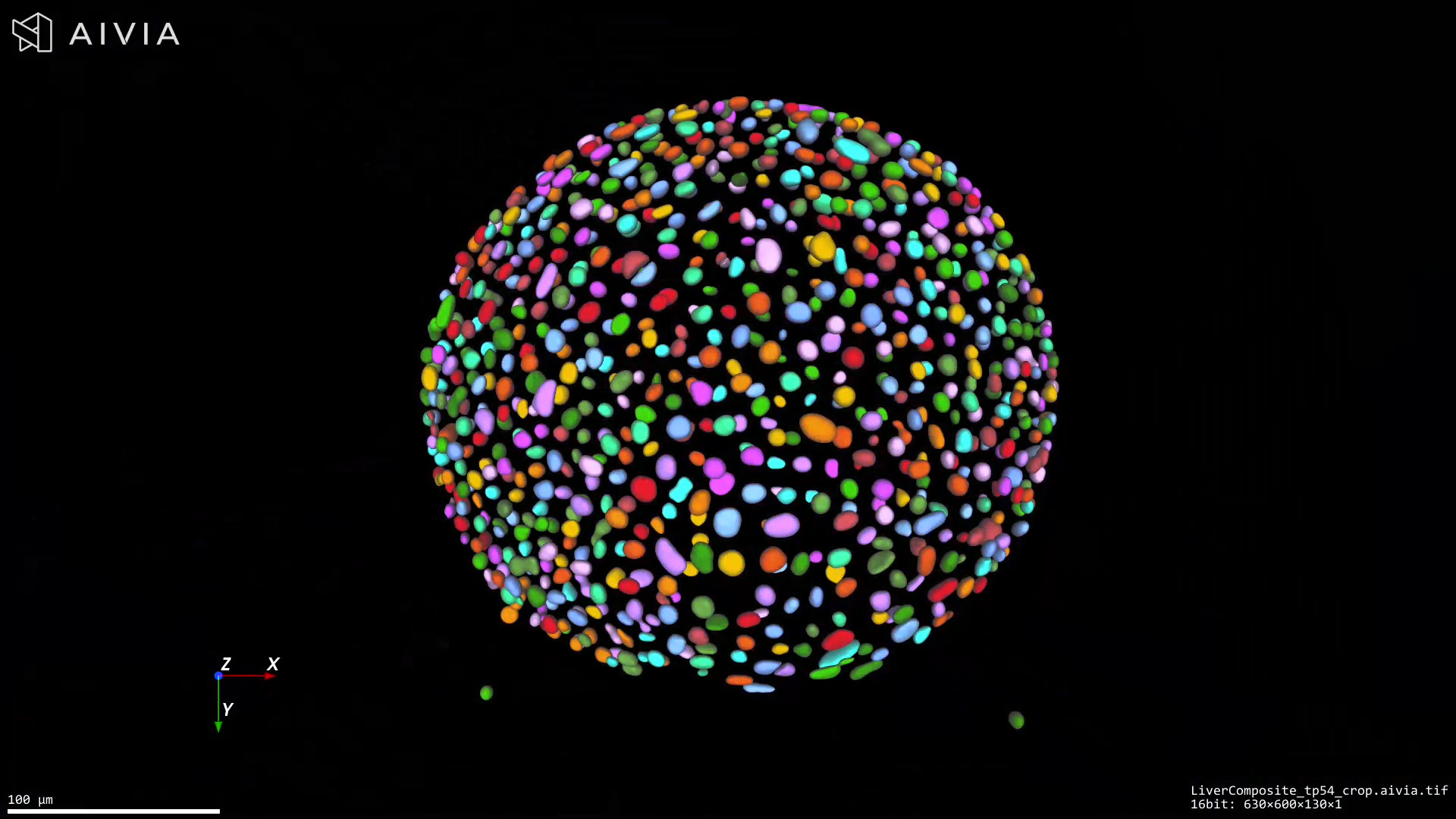
Murine liver organoid acquired using Viventis Deep, showing nuclei (H2B-mCherry, magenta) and cell membranes (mg-GFP, cyan). 3D reconstruction and segmentation using Aivia AI Image Analysis Software.

Murine liver organoid 3D imaged and reconstructed.

Murine liver organoid acquired using Viventis Deep, showing nuclei (H2B-mCherry, magenta) and cell membranes (mg-GFP, cyan). 3D reconstruction and segmentation using Aivia AI Image Analysis Software.

Moos, F., Suppinger, S., de Medeiros, G. et al. Open-top multisample dual-view light-sheet microscope for live imaging of large multicellular systems. Nat Methods 21, 798–803 (2024).

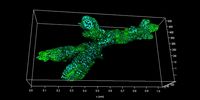
Organoid cluster labelled for nuclei (DAPI, blue) and plasma membrane (GFP, green). Thickness 100 μm. 469 Z planes were acquired using THUNDER Imager Cell (63x objective) and analyzed with Aivia. Courtesy of M.Sc. Dana Krauß, Medical University of Vienna, Austria.

3D organoid cluster imaged.

Organoid cluster labelled for nuclei (DAPI, blue) and plasma membrane (GFP, green). Thickness 100 μm. 469 Z planes were acquired using THUNDER Imager Cell (63x objective) and analyzed with Aivia. Courtesy of M.Sc. Dana Krauß, Medical University of Vienna, Austria.

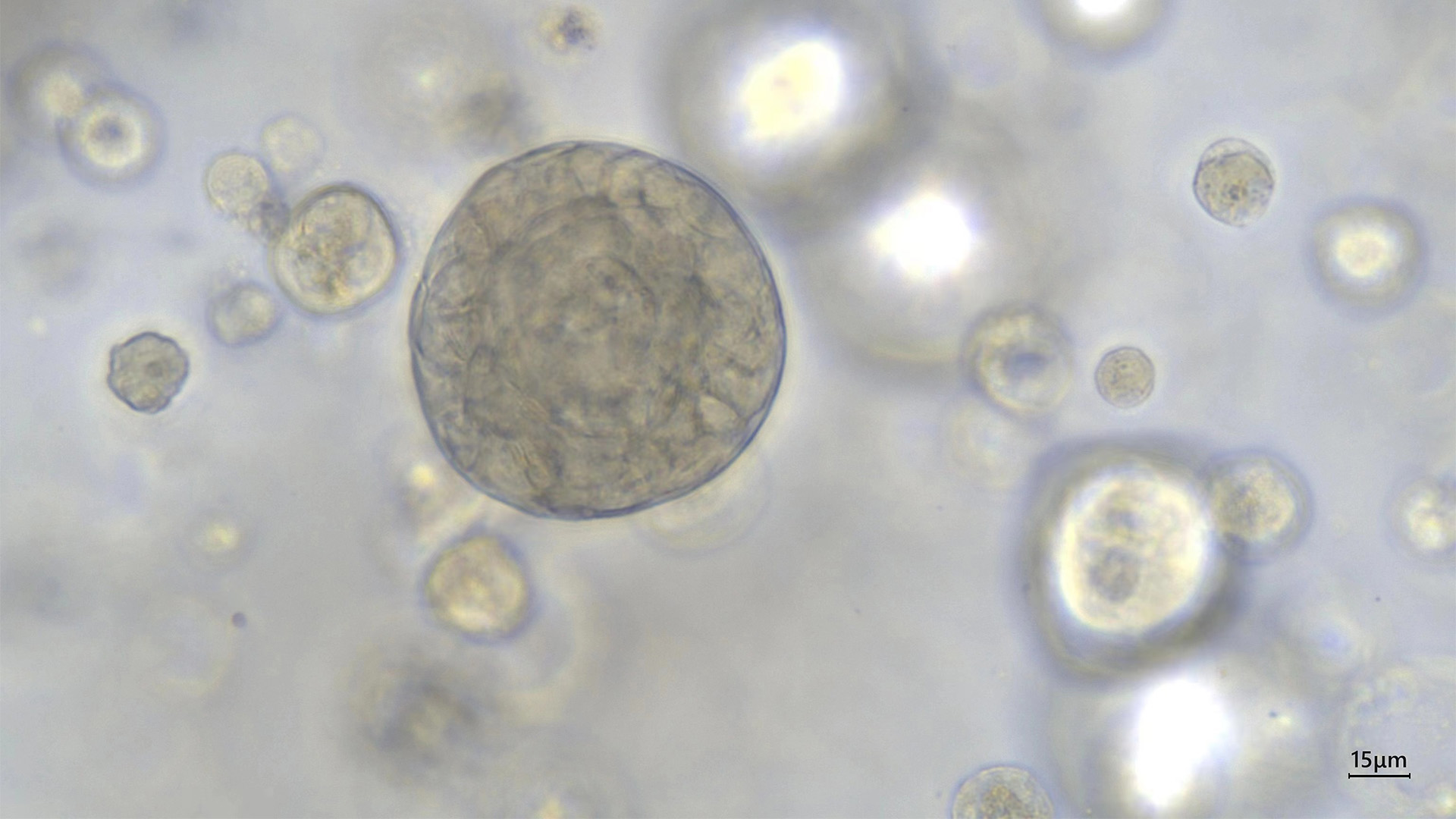
Esophageal carcinoma organoid cluster development imaged.

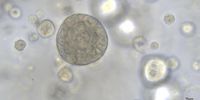
Organoid cluster development (esophageal squamous carcinoma cells), acquired on Mateo TL at 40x using transmitted light imaging; scale bar 15µm. Courtesy of bioGenous, China.

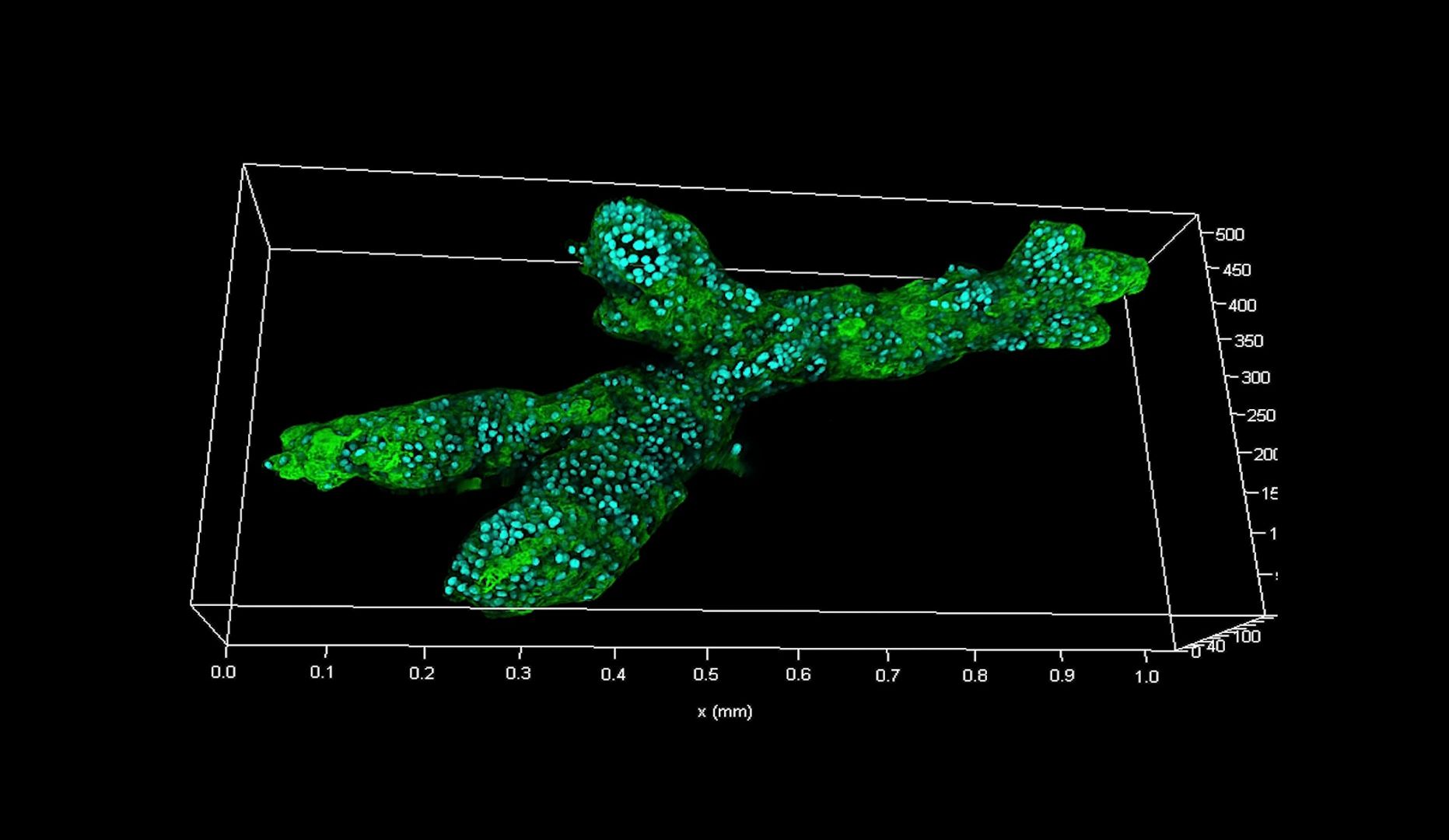
Branched organoid growing in collagen

Branched organoid growing in collagen, showing nuclei (blue) and YAP1 (green) to detect the mechano-signaling process, acquired using Mica. Courtesy of Andreas Bausch, Technical University of Munich, Germany.

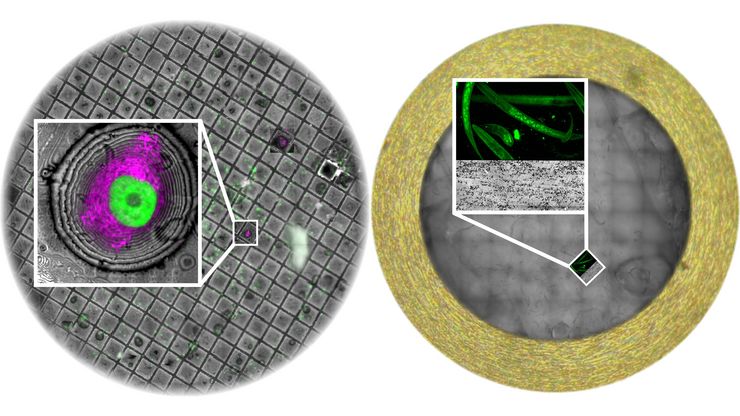
Formation of 3D spheroids from 1000 stably transfected MDCK MX1-GFP cells per well (left half) and 1000 U2OS cells per well (right half). Green; GFP, Gray; integrated modulation contrast. 60 hr time-lapse with 30 min intervals acquired using Mica.

Formation of 3D spheroids

Formation of 3D spheroids from 1000 stably transfected MDCK MX1-GFP cells per well (left half) and 1000 U2OS cells per well (right half). Green; GFP, Gray; integrated modulation contrast. 60 hr time-lapse with 30 min intervals acquired using Mica.

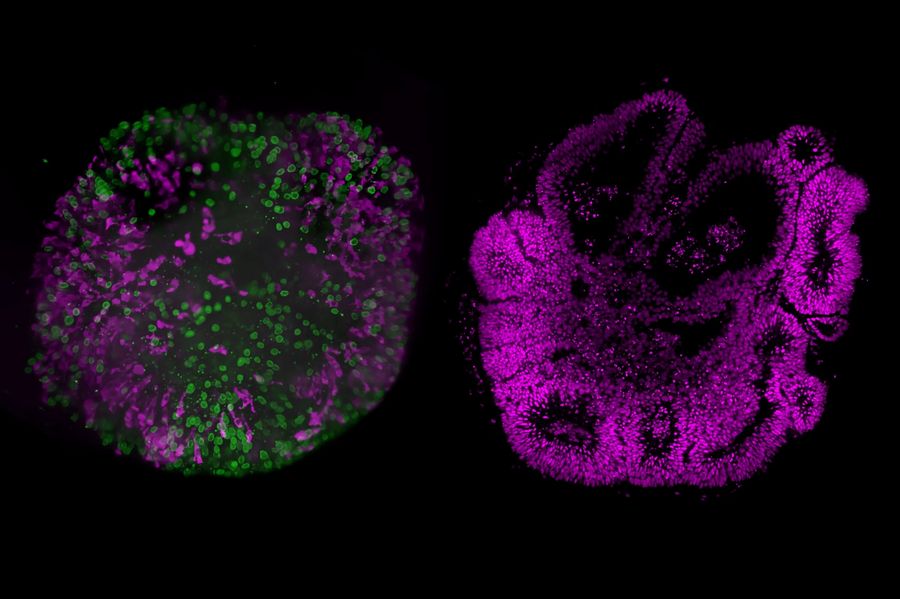
14: 7-day old 3D cell culture of MDCK cells stably transfected with; Mx1-GFP (green), SPY555-Actin (yellow) and WGA-AlexaTM 647 (magenta), and imaged using a THUNDER Imager Cell Spinning Disk. Shown are both the spinning disk image (left) and the same image after THUNDER Computational Clearing was applied (right); scale bar 50 μm.

7-day 3D MDCK culture imaged.

7-day old 3D cell culture of MDCK cells stably transfected with; Mx1-GFP (green), SPY555-Actin (yellow) and WGA-AlexaTM 647 (magenta), acquired using THUNDER Imager Cell Spinning Disk with THUNDER LVCC applied; scale bar 50 µm.

67-hour, multi-position time-lapse of mouse intestinal organoids expressing the cell cycle reporter FUCCI2 (hGem-mVenus and hCdt1-mCherry), acquired using Viventis Deep.
Murine liver organoid acquired using Viventis Deep, showing nuclei (H2B-mCherry, magenta) and cell membranes (mg-GFP, cyan). 3D reconstruction and segmentation using Aivia AI Image Analysis Software.
Organoid cluster labelled for nuclei (DAPI, blue) and plasma membrane (GFP, green). Thickness 100 μm. 469 Z planes were acquired using THUNDER Imager Cell (63x objective) and analyzed with Aivia. Courtesy of M.Sc. Dana Krauß, Medical University of Vienna, Austria.
Formation of 3D spheroids from 1000 stably transfected MDCK MX1-GFP cells per well (left half) and 1000 U2OS cells per well (right half). Green; GFP, Gray; integrated modulation contrast. 60 hr time-lapse with 30 min intervals acquired using Mica.
14: 7-day old 3D cell culture of MDCK cells stably transfected with; Mx1-GFP (green), SPY555-Actin (yellow) and WGA-AlexaTM 647 (magenta), and imaged using a THUNDER Imager Cell Spinning Disk. Shown are both the spinning disk image (left) and the same image after THUNDER Computational Clearing was applied (right); scale bar 50 μm.
Scroll to top