
Leica Microsystems

Leica Microsystems

Leica Microsystems ist ein weltweit führender Hersteller von Mikroskopen und wissenschaftlichen Instrumenten. Im 19. Jahrhundert als Familienunternehmen gegründet, war die Geschichte des Unternehmens auf dem Weg zum Weltkonzern von beispielloser Innovation geprägt.

Die traditionell enge Zusammenarbeit mit der Wissenschaft ist der Schlüssel zur Innovationstradition von Leica Microsystems, die auf die Ideen der Anwender zurückgreift und auf deren Bedürfnisse zugeschnittene Lösungen schafft. Auf globaler Ebene ist Leica Microsystems in drei Divisionen gegliedert, die alle zu den führenden Anbietern in ihrem jeweiligen Bereich gehören: Life Science, Industrie und Medizin.

Das Unternehmen ist in über 100 Ländern mit 6 Produktionsstandorten in 5 Ländern, Vertriebs- und Serviceorganisationen in 20 Ländern und einem internationalen Händlernetz vertreten. Der Hauptsitz des Unternehmens liegt in Wetzlar, Deutschland.
https://www.leica-microsystems.com/de

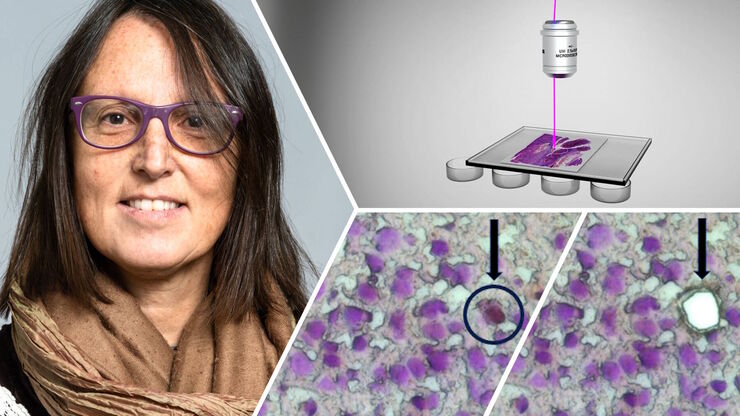
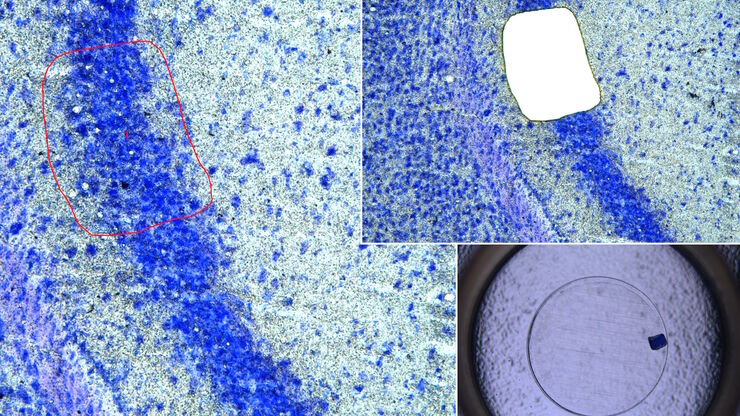
Mouse brain (left) microdissected with a 10x objective (upper right). Inspection of the collection device (lower right).

Molecular Biology Analysis facilitated with Laser Microdissection (LMD)

Extracting biomolecules, proteins, nucleic acids, lipids, and chromosomes, as well as extracting and manipulating cells and tissues with laser microdissection (LMD) enables insights to be gained into…
Multiplexed Cell DIVE imaging to characterize the spatial landscape in Human Alzheimer’s Cortical Tissue

Probing Human Alzheimer's Cortical Section using Spatial Multiplexing

Alzheimer’s disease (AD) is the most common neurodegenerative disease and is characterized by the progressive decline of cognitive function. Spatial profiling of AD brain may reveal cellular…
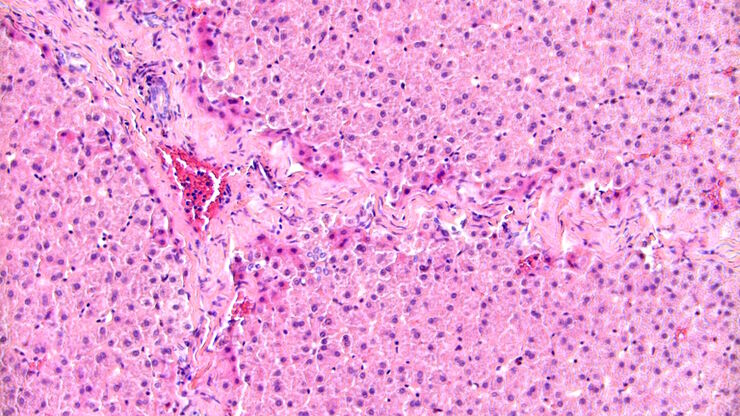
Brightfield image of a pig liver stained with hematoxylin-eosin (HE).

Spatial Metabolomics: Exploring Tumor Complexity and Therapeutic Insights

In cancer research, it is vital to understand the interaction between tumor cells and their microenvironment, as the tumor microenvironment influences tumor progression significantly. Spatial…
Immunofluorescence image of a mouse enodmetrial organoid stained with CK14 and DAPI

Advancing Uterine Regenerative Therapies with Endometrial Organoids

Prof. Kang's group investigates important factors that determine the uterine microenvironment in which embryo insertion and pregnancy are successfully maintained. They are working to develop new…
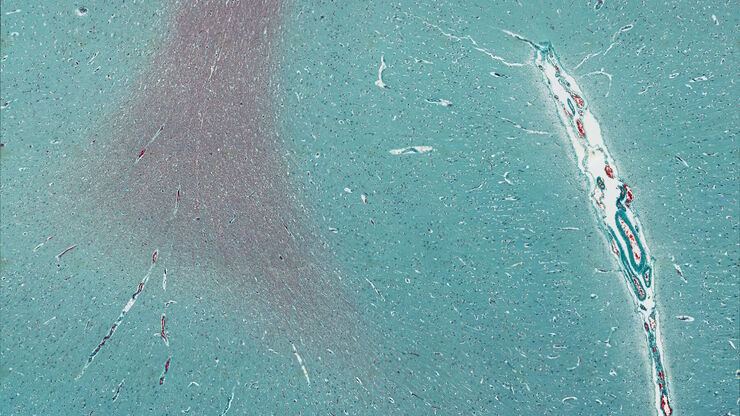
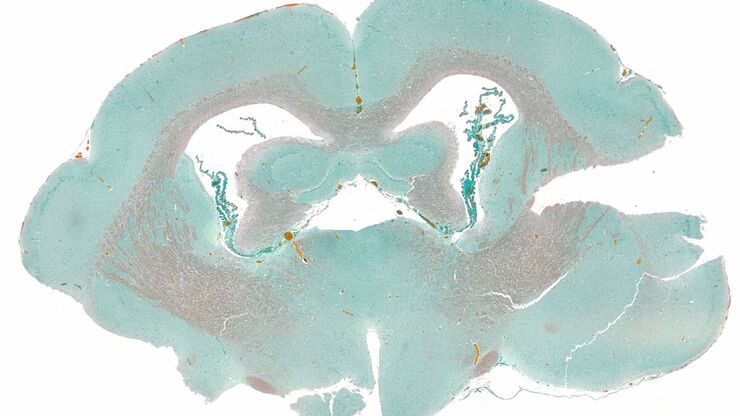
Mosaic scan of a Masson-Goldner stained cat brain. Magnification: 20x.

Lipidomics Analysis of Sparse Cells based on Laser Microdissection

Delve into cellular intricacies with high-coverage targeted lipidomics analysis of sparse cells. This advanced method, integrating Laser Microdissection (LMD) and Liquid Chromatography-Mass…
AI-based transfection analysis (left) of U2OS cells which were transfected with a fluorescently labelled protein. A fluorescence image of the cells (right) is also shown. The analysis and imaging were performed with Mateo FL.

Leveraging AI for Efficient Analysis of Cell Transfection

This article explores the pivotal role of artificial intelligence (AI) in optimizing transfection efficiency measurements within the context of 2D cell culture studies. Precise and reliable…
AI-based cell counting performed with a phase-contrast and fluorescence image using the Mateo FL microscope.

Precision and Efficiency with AI-Enhanced Cell Counting

This article describes the use of artificial intelligence (AI) for precise and efficient cell counting. Accurate cell counting is important for research with 2D cell cultures, e.g., cellular dynamics,…
Image of confluent cells taken with phase contrast (left) and analyzed for confluency using AI (right).

AI Confluency Analysis for Enhanced Precision in 2D Cell Culture

This article explains how efficient, precise confluency assessment of 2D cell culture can be done with artificial intelligence (AI). Assessing confluency, the percentage of surface area covered,…
Cell DIVE image of stromal remodeling around B cell follicles of follicular lymphoma patients. Stromal cells labeled with antibodies against desmin (red), SPARC (orange), vimentin (blue), and a-sma (yellow). Extracellular matrix labeled with antibody against lumican (cyan). B cells labeled with antibody against CD20 (green). Image credit: Dr. Andrea Radtke, Center for Advanced Tissue Imaging, NIAID, NIH

Empowering Spatial Biology with Open Multiplexing and Cell DIVE

Spatial biology and multiplexed imaging workflows have become important in immuno-oncology research. Many researchers struggle with study efficiency, even with effective tools and protocols. Here, we…
Image of murine dopaminergic neurons which have been marked for laser microdissection (LMD).

Neuron Isolation in Spatial Context with Laser Microdissection (LMD)

After Alzheimer’s disease, Parkinson’s is the second most common progressive neurodegenerative disease. Before the first symptoms manifest, up to 70% of dopamine-releasing neurons in the mid-brain…

How did Laser Microdissection enable Pioneering Neuroscience Research?

Dr. Marta Paterlini, a Senior Scientist at the Karolinska Institute, shares her experience of using laser microdissection (LMD) in groundbreaking research into adult human neurogenesis and offers…
Evolved ARveo 8: Operating Room (OR) set-up.

Augmented Reality: Transformation von neurochirurgischen Verfahren

In diesem E-Book lernen Sie die großartigen Vorteile kennen, die Augmented Reality (AR) der Neurochirurgie bringt. Dieser umfassende Leitfaden enthält erklärende Videos, beantwortet brennende Fragen…

AI-Powered Multiplexed Image Analysis to Explore Colon Adenocarcinoma

In this application note, we demonstrate a spatial biology workflow via an AI-powered multiplexed image analysis-based exploration of the tumor immune microenvironment in colon adenocarcinoma.

Laser Microdissection Protocols for Tissue and Cell Isolation - Download free eBook

In this Bio-protocol Selections, we present a collection of open-access, detailed methods papers using LCM to purify and isolate tissues and cells from plants, mouse embryos, cancer cells, neurons,…
The role of extracellular signalling mechanisms in the correct development of the human brain

How do Cells Talk to Each Other During Neurodevelopment?

Professor Silvia Capello presents her group’s research on cellular crosstalk in neurodevelopmental disorders, using models such as cerebral organoids and assembloids.

Workflow Solutions for Sample Preparation Methods for Material Science

This brochure presents and explains appropriate workflow solutions for the most frequently required sample preparation methods for material science samples.
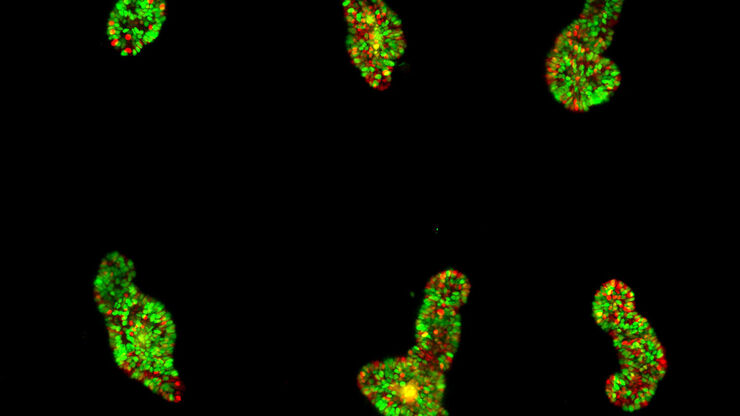
Intestinal organoids label with FUCCI reporter to follow cell cycle dynamics. Courtesy of Franziska Moos. Liberali lab. FMI Basel (Switzerland).

Dual-View LightSheet Microscope for Large Multicellular Systems

Visualizing the dynamics of complex multicellular systems is a fundamental goal in biology. To address the challenges of live imaging over large spatiotemporal scales, Franziska Moos et. al. present…

A Meta-cancer Analysis of the Tumor Spatial Microenvironment

Learn how clustering analysis of Cell DIVE datasets in Aivia can be used to understand tissue-specific and pan-cancer mechanisms of cancer progression
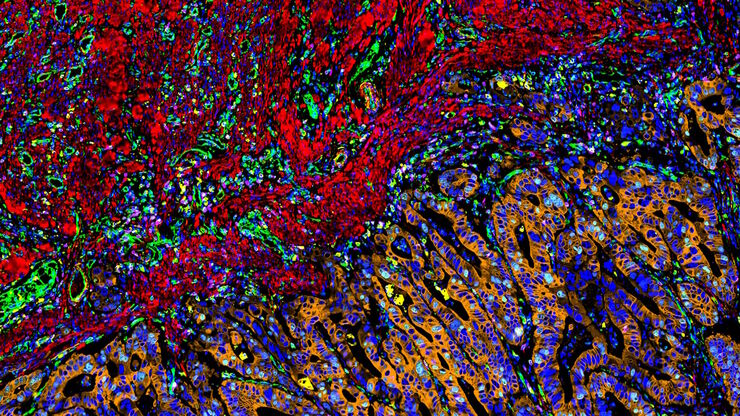
Multiplexed Cell DIVE imaging of Colon Adenocarcinoma (CAC) tissue. A panel of approximately 30 biomarkers targeted towards various leukocyte lineages, epithelial, stromal, and endothelial cell types was utilized to characterize the tumor immune microenvironment in human colon adenocarcinoma (CAC) tissue.

Mapping the Landscape of Colorectal Adenocarcinoma with Imaging and AI

Discover deep insights in colon adenocarcinoma and other immuno-oncology realms through the potent combination of multiplexed imaging of Cell DIVE and Aivia AI-based image analysis
Pancreatic Ductal Adenocarcinoma with 11 Aerobic Glycolysis/Warburg Effect biomarkers shown – BCAT, Glut1, HK2, HTR2B, LDHA, NaKATPase, PCAD, PCK26, PKM2, SMA1, and Vimentin.

IBEX, Cell DIVE, and RNA-Seq: A Multi-omics Approach to Follicular Lymphoma

In a recent study by Radtke et al., a multi-omics spatial biology approach helps shed light on early relapsing lymphoma patients
40x magnification of organoids cluster taken on Mateo TL.Cell type: esophageal squamous carcinoma; scale  bar 15µm. Courtesy of bioGenous, China.

Overcoming Observational Challenges in Organoid 3D Cell Culture

Learn how to overcome challenges in observing organoid growth. Read this article and discover new solutions for real-time monitoring which do not disturb the 3D structure of the organoids over time.
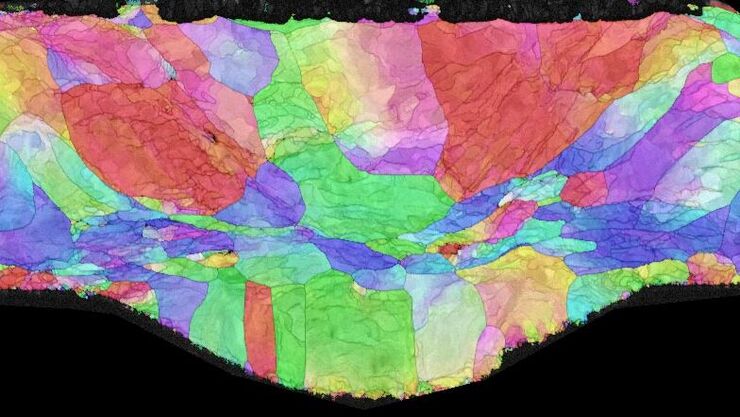
Particles observed on the surface of a particle trap which could be used for technical cleanliness during battery production.

Erkennung von Batteriepartikeln während des Produktionsprozesses

In diesem Artikel wird erläutert, wie die Partikelerkennung und -analyse von Batterien mit optischer Mikroskopie und Laserspektroskopie für eine schnelle, zuverlässige und kostengünstige…
THUNDER image of brain-capillary endothelial-like cells derived from human iPSCs (induced pluripotent stem cells) where cyan indicates nuclei and magenta tight junctions.

Rapid Check of Live Stem Cells in Cell-Culture Inserts set in Multi-Well Plates

See how efficient imaging of live iPSC stem cells within cell-culture inserts set in a multi-well plate can be done to evaluate the cells using a THUNDER Imager. Just read this article.
Camera image during auto alignment. The feedback lines indicate if the correct edges in the image are detected. Green: Vertical center line; Magenta: Upper edge of the light gap; White: Lower edge of the light gap (not visible here, falling together with red line); Red: Knife edge; Blue: Left and right edge of the block face being automatically detected.

Automatic Alignment of Sample and Knife for High Sectioning Quality

Automatic alignment of sample and knife on the ultramicrotome UC Enuity, enabling even untrained users to create ultrathin sections with reduced risk of losing precious sections.
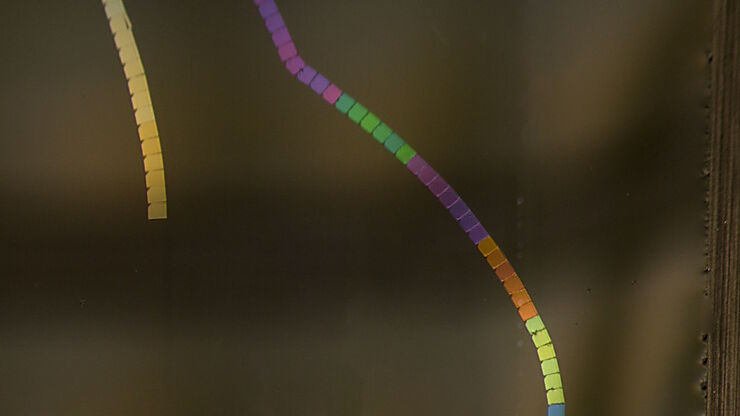
Section ribbons with increasing section thickness - silver to purple ending in blue sections.

High Quality Sectioning in Ultramicrotomy

Discover the significance of achieving high-quality uniform sections with ultramicrotomy for precise imaging in electron microscopy.

Super-Resolution Microscopy Image Gallery

Due to the diffraction limit of light, traditional confocal microscopy cannot resolve structures below ~240 nm. Super-resolution microscopy techniques, such as STED, PALM or STORM or some…
Multicolor fixed STED image. Inner ear section, mouse, TauSTED Xtend 589 on AF488 and TauSTED Xtend 775 on AF633-Phalloidin. Sample courtesy of Dennis Derstrof, Klinik für Hals-, Nasen und Ohrenheilkunde, Universität Marburg & Prof. Dr. Dominik Oliver aus dem Institut für Physiologie und Pathophysiologie, Abteilung für Neurophysiologie, Universität Marburg.

Extended Live-cell Imaging at Nanoscale Resolution

Extended live-cell imaging with TauSTED Xtend. Combined spatial and lifetime information allow super-resolution microscopy at extremely low light dose.
Multicolor TauSTED Xtend 775 for Cell Biology applications that require nanoscopy resolution for multiple cellular components. Cells showing vimentin fibrils (AF 594), actin network (ATTO 647N), and nuclear pore basket (CF 680R). Sample courtesy of Brigitte Bergner, Mariano Gonzales Pisfil, Steffen Dietzel, Core Facility Bioimaging, Biomedical Center, Ludwig-Maximilians-University, Munich, Germany.

The Guide to STED Sample Preparation

This guide is intended to help users optimize sample preparation for stimulated emission depletion (STED) nanoscopy, specifically when using the STED microscope from Leica Microsystems. It gives an…
Masson-Goldner staining of a hedgehog brain slice.

How to Streamline Your Histology Workflows

Streamline your histology workflows. The unique Fluosync detection method embedded into Mica enables high-res RGB color imaging in one shot.
An 8-color spectral unmixing result from a hyperspectral SRS (stimulated Raman scattering) dataset, showing the biochemically distinct structures of a fresh, untreated apple slice.

How to Prepare Samples for Stimulated Raman Scattering (SRS) imaging

Find here guidelines for how to prepare samples for stimulated Raman scattering (SRS), acquire images, analyze data, and develop suitable workflows. SRS spectroscopic imaging is also known as SRS…
Scroll to top