Introduction
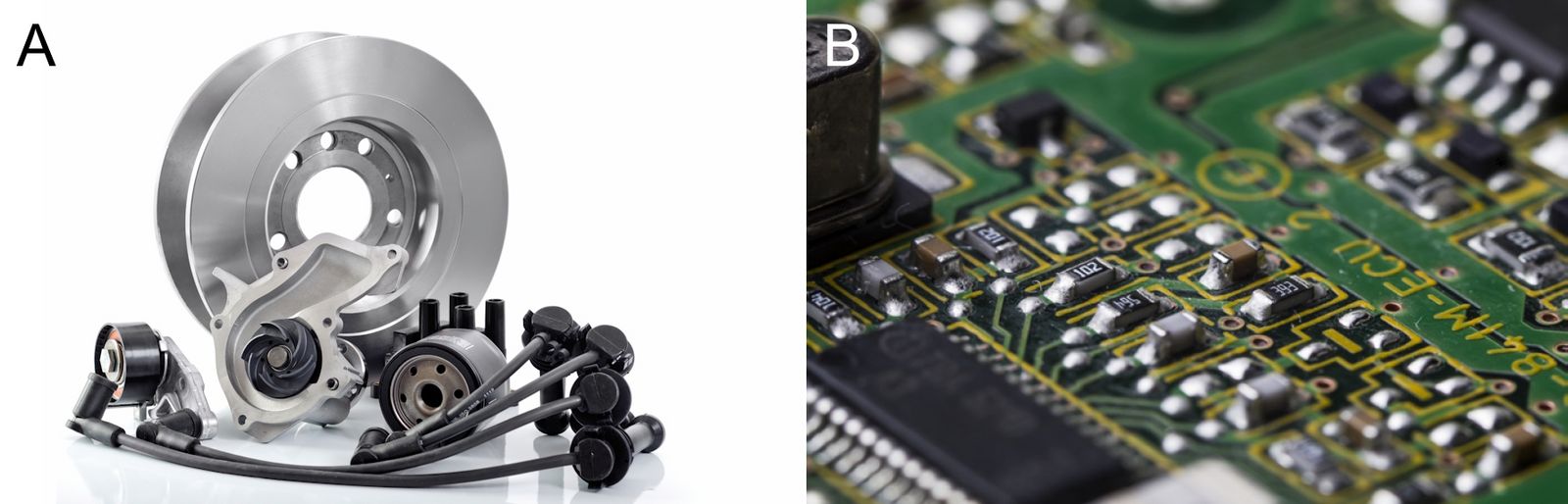
Particulate contamination on automotive parts and electronic components can have a serious effect on their performance and lifetime [1,2]. If critical components are sufficiently contaminated, there can be a dramatic failure of the vehicle or device system. As a result, cleanliness analysis in terms of determining the particle dimensions and material properties is very important for modern manufacturing and production in terms of quality assurance [1,2]. To help users with decision making when choosing a cleanliness analysis solution which best meets their needs, the main factors to consider are discussed below.
Factors to consider
To find an optimal cleanliness analysis solution which best addresses the needs of the user, it helps to address these questions below.
What is the main application?
Does the cleanliness analysis concern the production and assembly of components and parts as in the automotive and electronics industry? If so, then both industries have strict requirements for particulate contamination in terms of determining the type, size, composition, and potential to cause damage, normally done according to standards and guidelines like ISO 16232, VDA 19, or ZVEI (Technical Cleanliness in Electrical Engineering) [2,3]. Or perhaps the cleanliness analysis is for hydraulic fluids, lubricants, fuels, and pharmaceutical products? For most mechanical systems, cleanliness analysis of hydraulic fluids, lubricants, and fuels are done in accordance with the standards ISO 4406 and DIN 51455. Cleanliness analysis for pharma products generally follow the standard USP 788. As there are important differences in the cleanliness requirements between these applications, the solution chosen needs to be able to determine accurately and reliably the required parameters for particle analysis.
Which particle sizes needs to be analyzed?
In the automotive industry, large (>25 μm) and hard particles (ceramic and metal) have a greater potential to cause damage due to their abrasive nature. However, smaller particles (5 to 10 μm or even smaller) may represent a problem for electronic components with sub-micrometer features. For fluid cleanliness, particles of size 5 μm or larger are analyzed. Knowing which range of particle sizes need to be analyzed is critical in terms of choosing the optimal cleanliness analysis solution.
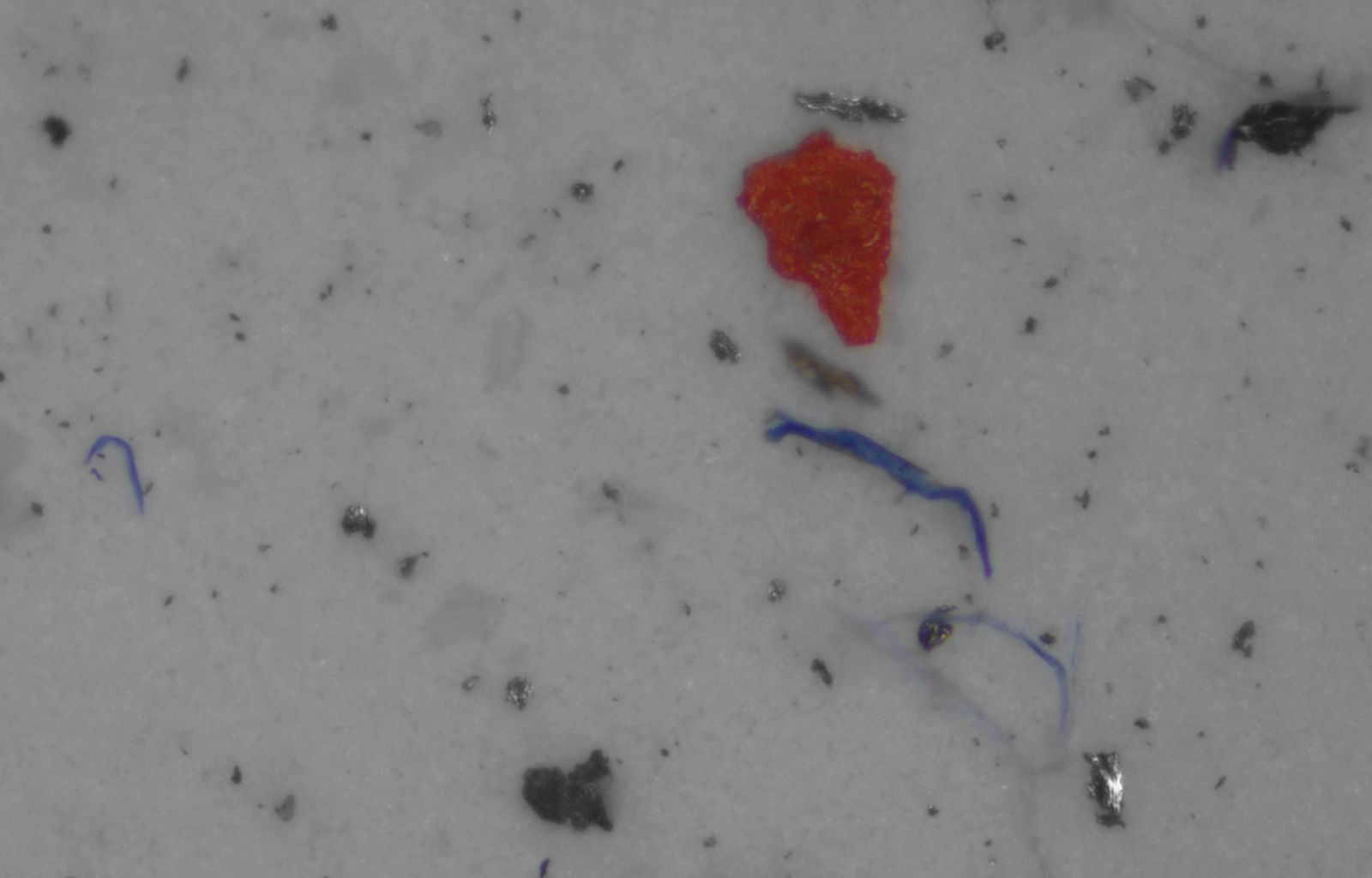
Does the application require differentiating between reflective and non-reflective particles?
Reflective particles, i.e., conductive, usually metallic ones, often have a greater potential to cause damage for both automotive and electronic components compared to non-reflective particles, i.e., non-conductive, normally non-metallic ones. Therefore, the ability to differentiate between reflective and non-reflective particles can be useful for determining the potential of a particle to cause damage. A cleanliness analysis solution which enables users to efficiently tell the difference between reflective and non-reflective particles helps them to better determine the potential to cause damage.
Is it important to identify the particle material?
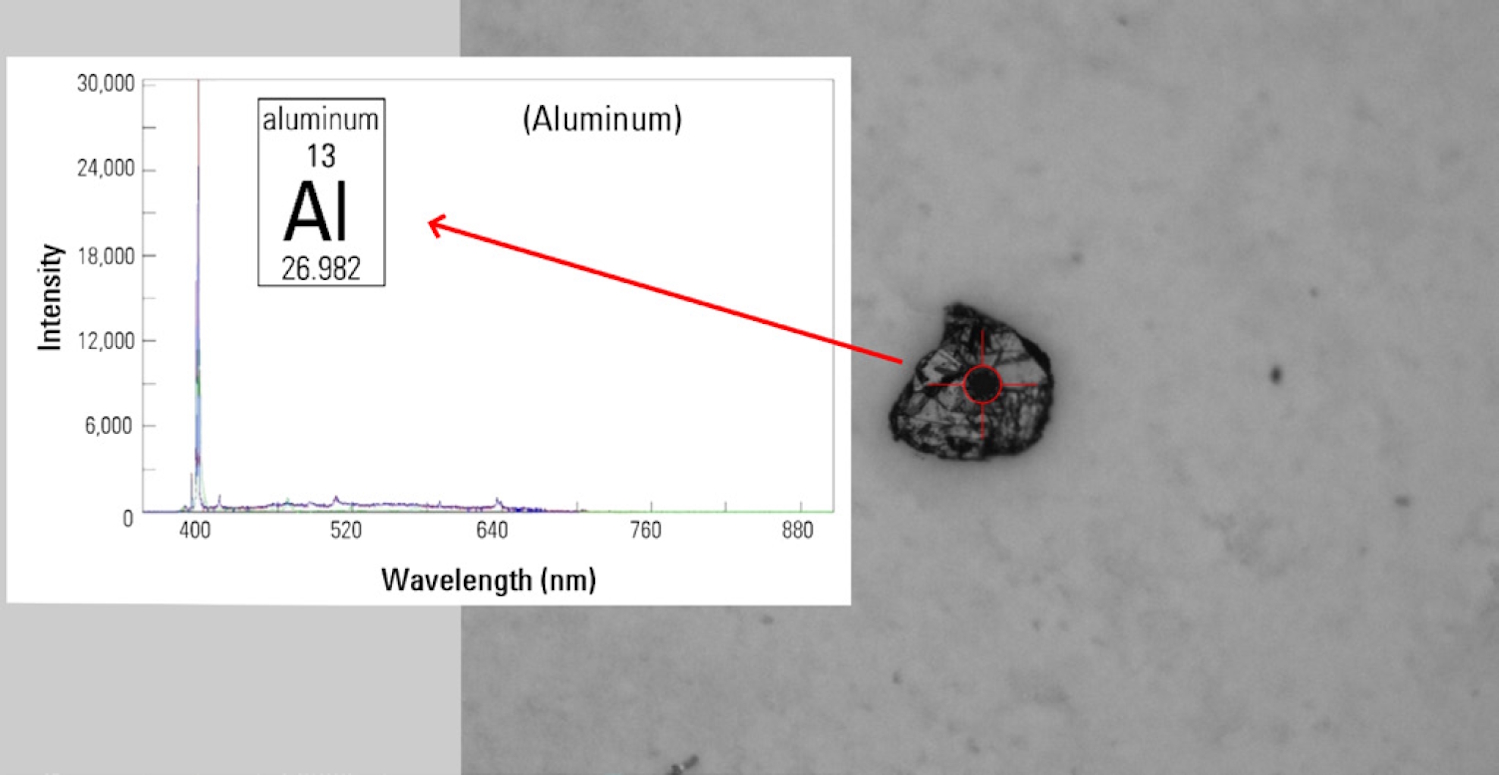
When the ultimate desire of the cleanliness analysis is to find and eliminate the source of contamination, then knowing the composition of the particles is extremely useful. Then an optimal solution would enable users to identify the particle material efficiently and reliably.
Solutions for cleanliness analysis
Leica cleanliness analysis solutions, based on optical microscopy and laser induced breakdown spectroscopy (LIBS), enable users to perform efficient and accurate analysis of particulate contamination on filters.
The right Leica solution which best meets the cleanliness analysis needs of users can be found by answering a few key questions here.