
Leica Microsystems

Leica Microsystems

Leica Microsystems is a world leader in microscopes and scientific instruments. Founded as a family business in the nineteenth century, the company’s history was marked by unparalleled innovation on its way to becoming a global enterprise.

Its historically close cooperation with the scientific community is the key to Leica Microsystems’ tradition of innovation, which draws on users’ ideas and creates solutions tailored to their requirements. At the global level, Leica Microsystems is organized in three divisions, all of which are among the leaders in their respective fields: Life Science, Industry and Medical.

The company is represented in over 100 countries with 6 manufacturing facilities in 5 countries, sales and service organizations in 20 countries, and an international network of dealers. The company is headquartered in Wetzlar, Germany.

http://www.leica-microsystems.com/

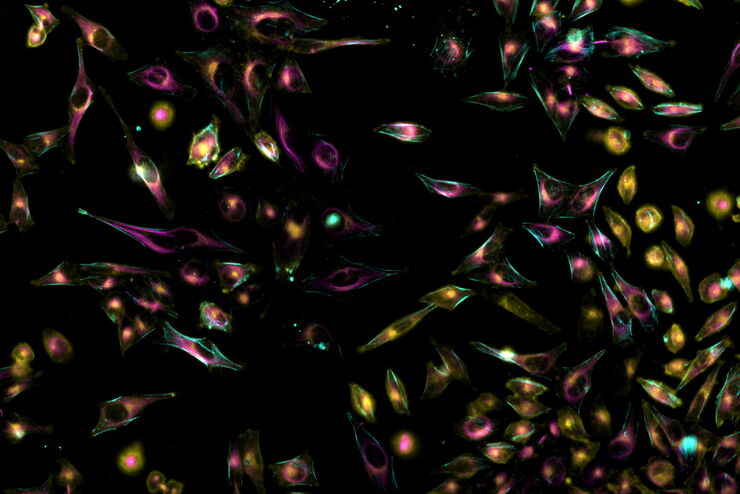
Living HeLa cells stained with WGA-488 (yellow), SPY-Actin (cyan), and SiR-Tubulin (magenta). Instant Computational Clearing (ICC) was applied.

How to Perform Dynamic Multicolor Time-Lapse Imaging

Live-cell imaging sheds light on diverse cellular events. As many of these events have fast dynamics, the microscope imaging system must be fast enough to record every detail. One major advantage of…
Spectral separation of 11 fluorophores coupled to polystyrene beads on a STELLARIS confocal system.

Multiplexing through Spectral Separation of 11 Colors

Fluorescence microscopy is a fundamental tool for life science research that has evolved and matured together with the development of multicolor labeling strategies in cells tissues and model…

3 Factors Determine the Damage Potential of Particles

This article discusses the 3 factors for determining the potential of a particle to cause damage to parts and components in the automotive and electronic industry. These factors include the…
Image of murine-brain tissue showing a region removed with UV laser microdissection.

RNA Quality after Different Tissue Sample Preparation

The influence of sample preparation and ultraviolet (UV) laser microdissection (UV LMD) on the quality of RNA from murine-brain tissue cryo-sections is described in this article. To obtain good…
Analysis of an aneurysm with Virtual Reality. Image courtesy of Prof. Raphael Guzman.

Digitalization in Neurosurgical Planning and Procedures

Learn about Augmented Reality, Virtual Reality and Mixed Reality in neurosurgery and how they can help overcome challenges.
The various solutions from Leica Microsystems for cleanliness analysis.

Factors to Consider for a Cleanliness Analysis Solution

Choosing the right cleanliness analysis solution is important for optimal quality control. This article discusses the important factors that should be taken into account to find the solution that best…
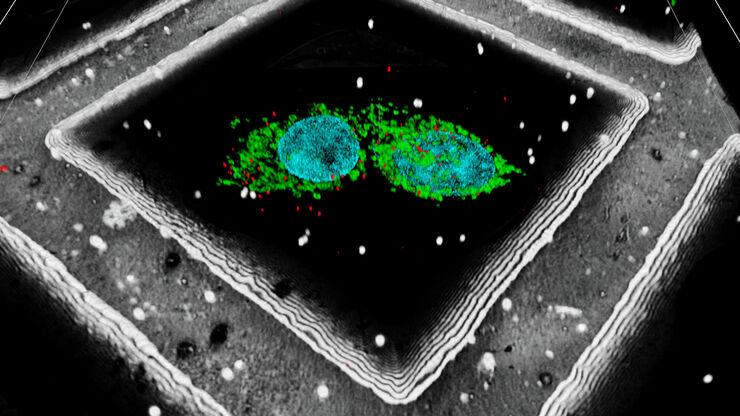
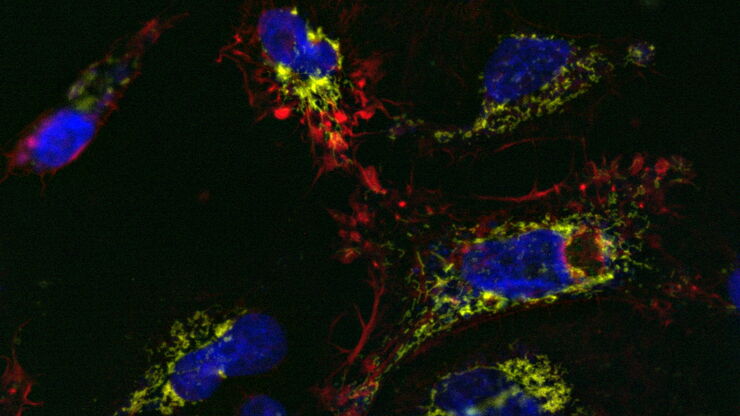
Projection of a confocal z-stack. Sum159 cells, human breast cancer cells kindly provided by Ievgeniia Zagoriy, Mahamid Group, EMBL Heidelberg, Germany. Blue–Hoechst - indicates nuclei, Green–MitoTracker mitochondria, and red–Bodipy - lipid droplets
New Imaging Tools for Cryo-Light Microscopy

New cryo-light microscopy techniques like LIGHTNING and TauSense fluorescence lifetime-based tools reveal structures for cryo-electron microscopy.
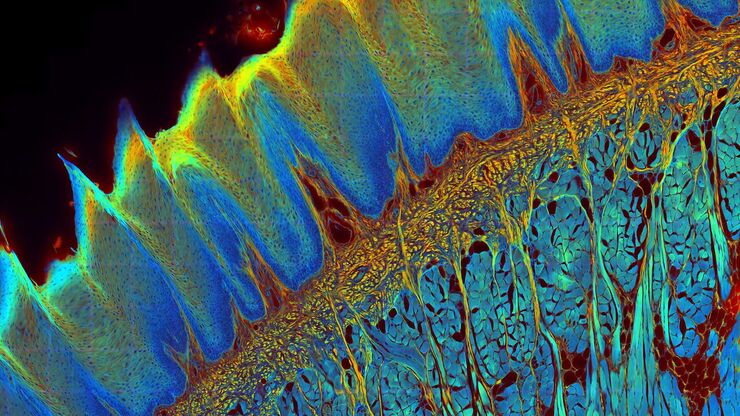
Transverse histological cut of a rabbit tongue. 50 Mpixels images (2326 µm x 1739 µm) in 14 x 18 tiles. Lifetime gives an additional contrast that allows to differentiate different structures in histological stainings.

A Guide to Fluorescence Lifetime Imaging Microscopy (FLIM)

The fluorescence lifetime is a measure of how long a fluorophore remains on average in its excited state before returning to the ground state by emitting a fluorescence photon.
Staining is crucial to revealing details in the specimens.

H&E Staining in Microscopy

If we consider the role of microscopy in pathologists’ daily routines, we often think of the diagnosis. While microscopes indeed play a crucial role at this stage of the pathology lab workflow, they…
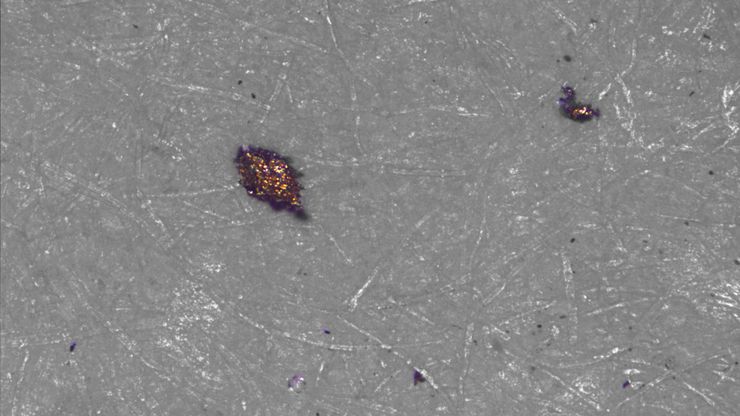
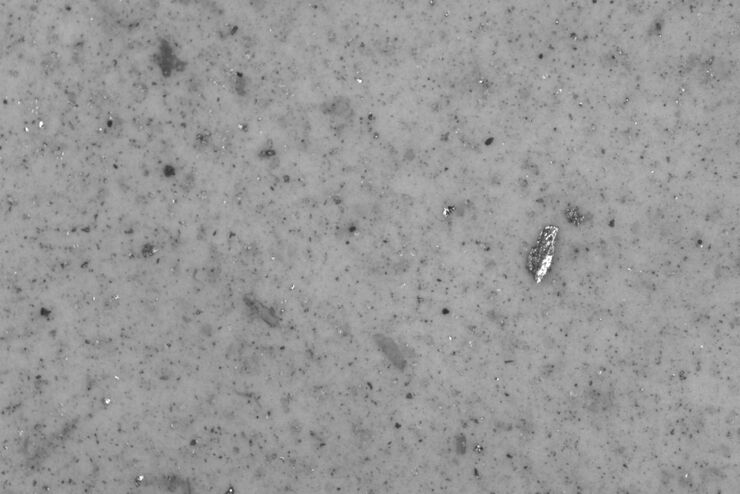
Type of contamination: spores

Cleanliness Analysis for Particulate Contamination

Devices, products, and their components fabricated in many industries can be quite sensitive to contamination and, as a result, have stringent requirements for technical cleanliness. Measurement…
Particles and fibers on a filter which will be counted and analyzed for cleanliness

Efficient Particle Counting and Analysis

This report discusses particle counting and analysis using optical microscopy for cleanliness of parts and components. Particle counting and analysis is a critical part of quality assurance in the…
Protist Paramecium (Paramecium tetraurelia) stained to show the nucleus

3D Spatial Analysis Using Mica's AI-Enabled Microscopy Software

This video offers practical advice on the extraction of publication grade insights from microscopy images. Our special guest Luciano Lucas (Leica Microsystems) will illustrate how Mica’s AI-enabled…
A stack of lithium-ion batteries

Quality Control Under the Microscope

Fast-rising demand for electric vehicles is one of the market’s main drivers, but there are other hotspots of growth, including the rise in renewable energy installations, such as photovoltaic panels,…

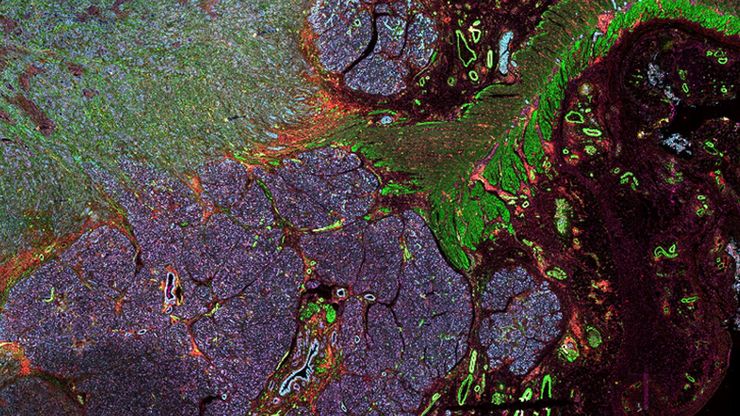
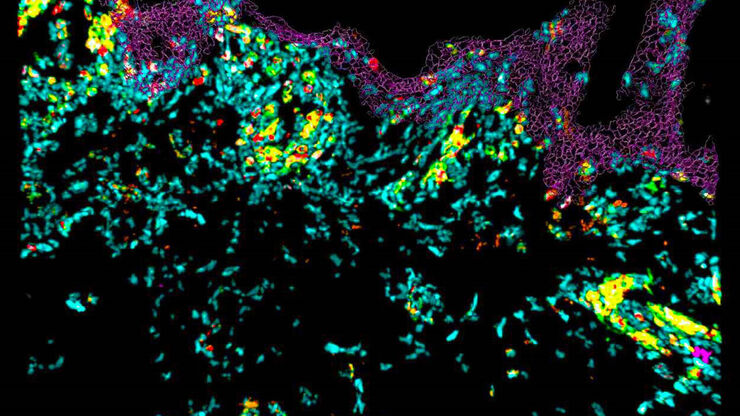
Multiplexed Imaging Types, Benefits and Applications

Multiplexed imaging is an emerging and exciting way to extract information from human tissue samples by visualizing many more biomarkers than traditional microscopy. By observing many biomarkers…
3D Reconstruction of brain slide image_Mica

3D Tissue Imaging: From Fast Overview To High Resolution With One Click

3D Tissue imaging is a widespread discipline in the life sciences. Researchers use it to reveal detailed information of tissue composition and integrity, to make conclusions from experimental…
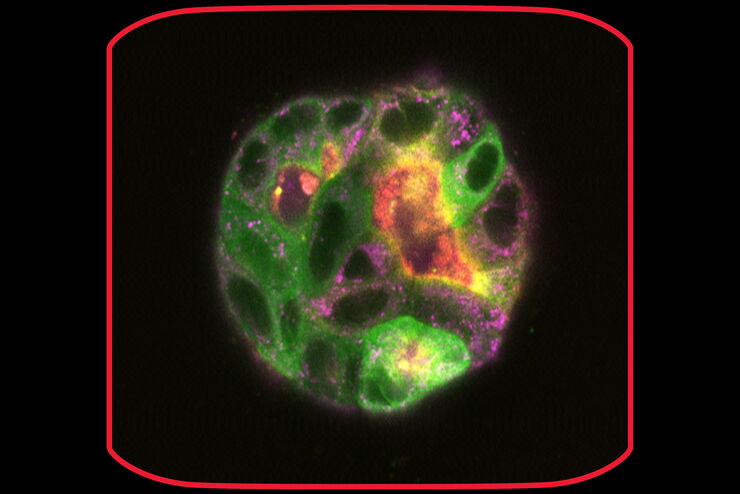
MDCK cysts on day 9

How To Perform Fast & Stable Multicolor Live-Cell Imaging

With the help of live-cell imaging researchers gain insights into dynamic processes of living cells up to whole organisms. This includes intracellular as well as intercellular activities. Protein or…

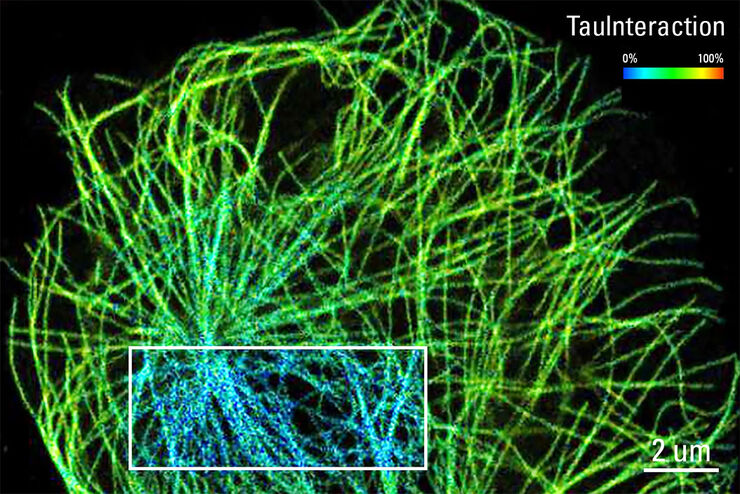
TauInteraction – Studying Molecular Interactions with TauSense

Fluorescence microscopy constitutes one of the pillars in life sciences and is a tool commonly used to unveil cellular structure and function. A key advantage of fluorescence microscopy resides in the…
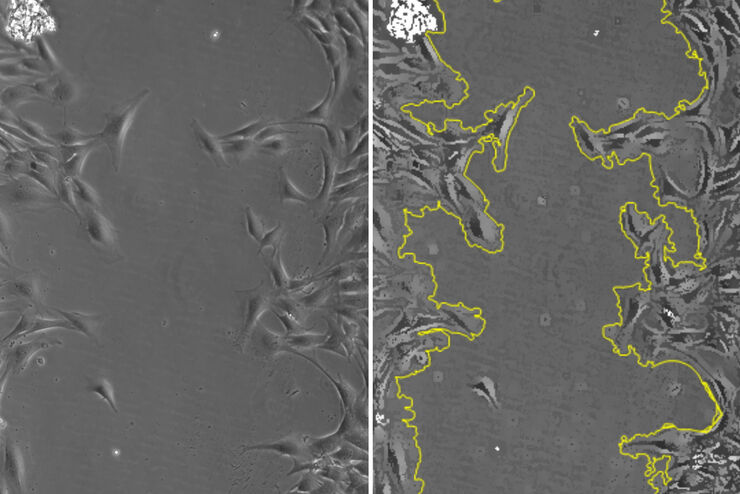
Images of smooth muscle cells during wound healing. Courtesy L.S. Shankman, Ph.D., University of Virginia.

Studying Wound Healing of Smooth Muscle Cells

This article discusses how wound healing of cultured smooth muscle cells (SMCs) in multiwell plates can be reliably studied over time with less effort using a specially configured Leica inverted…
Particles which could be found during cleanliness analysis of parts and components.

Cleanliness of Automotive Components and Parts

This article discusses the ISO 16232 standard and VDA 19 guidelines and briefly summarizes the particle analysis methods. They give important criteria for the cleanliness of automotive parts and…
Identification of distinct structures_roundworm_Ascaris_female

Find Relevant Specimen Details from Overviews

Switch from searching image by image to seeing the full overview of samples quickly and identifying the important specimen details instantly with confocal microscopy. Use that knowledge to set up…
Image of fixed U2OS cell expressing mEmerald-Tomm20 denoised using a 3D RCAN model trained with matching low and high SNR image pairs acquired on an iSIM system.

AI Microscopy Image Analysis – An Introduction

Artificial intelligence-guided microscopy image analysis and visualization is a powerful tool for data-driven scientific discovery. AI can help researchers tackle challenging imaging applications,…
Correlation of markers in the LM and the FIB image.

How to Target Fluorescent Structures in 3D for Cryo-FIB Milling

This article describes the major steps of the cryo-electron tomography workflow including super-resolution cryo-confocal microscopy. We describe how subcellular structures can be precisely located in…
HeLa cells labeled with dark blue – Hoechst, Nuclei; magenta – MitoTracker Green, Mitochondria; turquoise - Bodipy, lipid droplets. Cells kindly provided by Ievgeniia Zagoriy, Mahamid Group, EMBL Heidelberg, Germany.

Precise 3D Targeting for EM Imaging - Access What Matters

Find out how the seamless cryo-electron tomography workflow Coral Cryo uses confocal super resolution to target your structure of interest more precisely.

A Guide to Cryo-Electron Tomography

Cryo-electron tomography (CryoET) is used to resolve biomolecules within their cellular environment down to an unprecedented resolution below one nanometer.
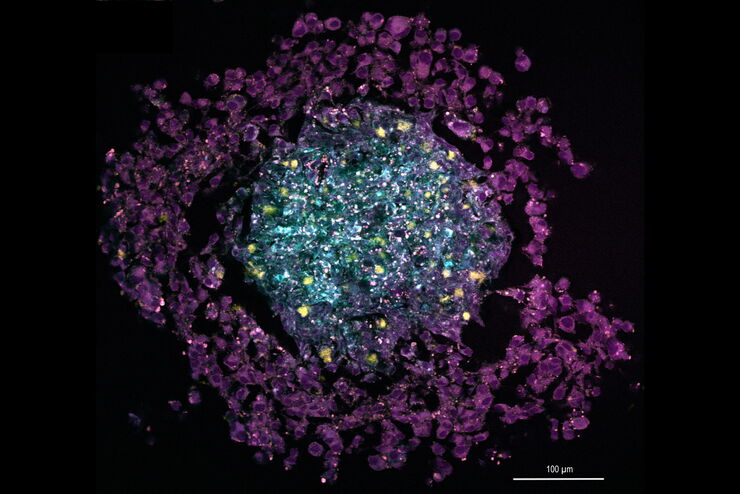
Multi-color SRS image of a tri-cellular cancer spheroid

The Potential of Coherent Raman Scattering Microscopy at a Glance

Coherent Raman scattering microscopy (CRS) is a powerful approach for label-free, chemically specific imaging. It is based on the characteristic intrinsic vibrational contrast of molecules in the…
U2OS cells labelled with SiR Actin, TMRE, CellEvent™, and DAPI; 13-hour time-lapse imaging; apoptosis-inducer staurosporine

Simplifying Complex Fluorescence Multiwell Plate Assays

Apoptosis, or programmed cell death, occurs during organism embryo development to eliminate unwanted cells and during healing in adults to rid the body of damaged cells and help prevent cancer.…
Formation of 3D spheroids; Time lapse acquisition over 72 hours

Efficient Long-term Time-lapse Microscopy

When doing time-lapse microscopy experiments with spheroids, there are certain challenges which can arise. As the experiments can last for several days, prolonged sample survival must be achieved…
Dr. Tawfik with the Proveo 8 surgical microscope.

Dr. Tawfik Shares his Expert View on Direct Horizontal Chopping in Cataract Surgery

It is estimated that nearly 28 million cataract surgery procedures are performed worldwide every year. Phacoemulsification is the most common method used to remove the cataract and chopping maneuvers…
Operating room, PROVIDO

Free Flap Procedures in Oncological Reconstructive Surgery

Free flap surgery is considered the gold standard for breast, head and neck reconstructions for cancer patients. These procedures, which enable functional and aesthetic rehabilitation, can be quite…
Superior Semicircular Canal Dehiscence (SSCD) or Minor’s syndrome.

Minor’s Syndrome Surgical Intervention by Prof. Vincent Darrouzet

Minor’s disease, also called Superior Semicircular Canal Dehiscence (SSCD) or Minor’s syndrome, is a rare disorder of the inner ear that affects hearing and balance. The disease is characterized by…
Scroll to top